
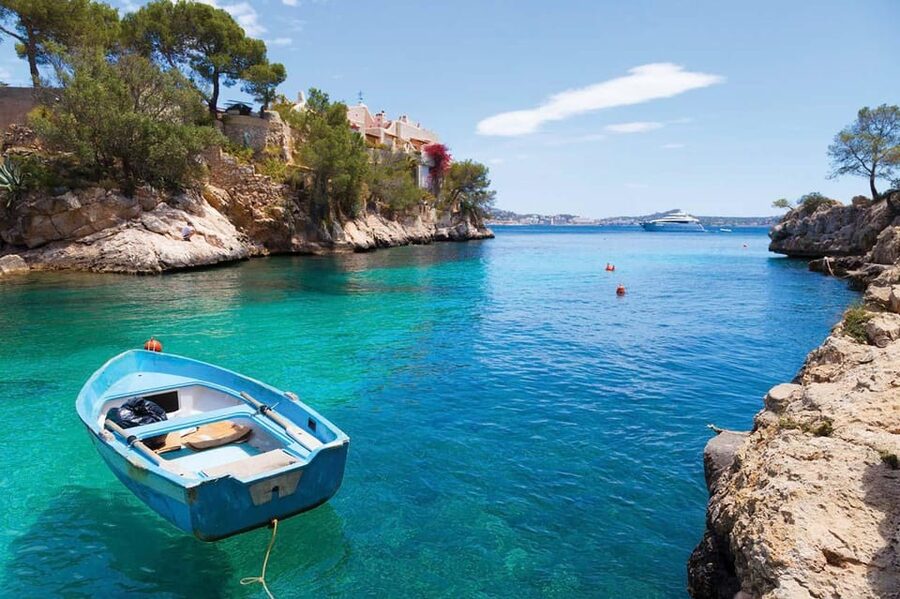
Stone villages, blue coves, one island.
Compare boat days, mountain roads, cave visits and Palma walks with the prices and practical details that shape a good Mallorca day.
Begin with the island’s defining days.
A boat out of Palma, the underground lake at Drach, a cool morning in the Tramuntana and an old-town walk before lunch give a first Mallorca trip its shape.
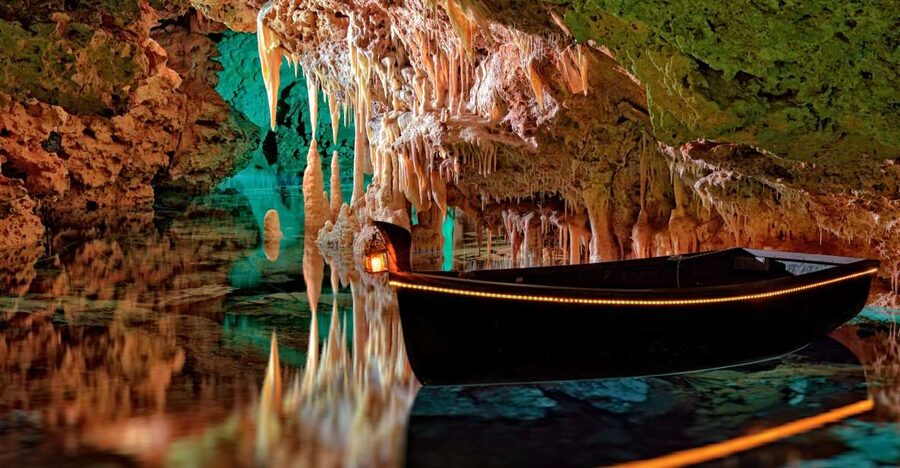
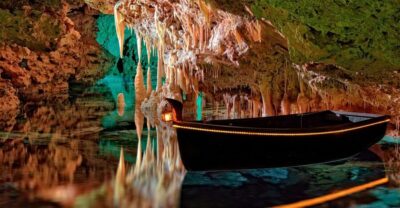
Porto Cristo: Caves of Hams Entry Ticket
Walk 850 meters through Cuevas dels Hams in Porto Cristo, Mallorca, with blue cave lighting and the Magical Mozart show on the Sea of Venice.
From $21 per person
Read the review → ★ 4.1Palma firstCity Sightseeing Hop-On Hop-Off Bus TourFrom $324,450 reviews
 ★ 4.4Blue-water dayIsland Tour with Boat, Tram & Train from the SouthFrom $1173,888 reviews
 ★ 4.3Mountain airCatamaran Cruise with Swimming and SnorkellingFrom $472,859 reviews
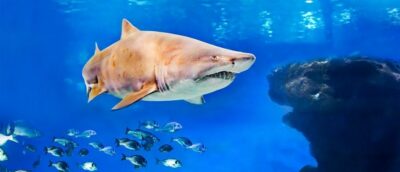 ★ 4.5Cave classicPalma Aquarium Entry Ticket w/ Optional 3D CinemaFrom $392,280 reviews
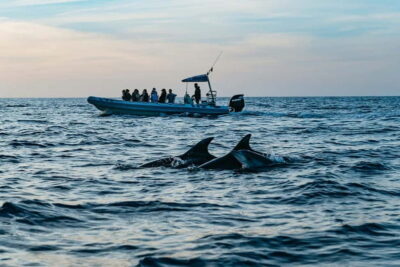 ★ 4.8Slow island hourAlcudia or Can Picafort: Dolphin-Watching CruiseFrom $912,038 reviews
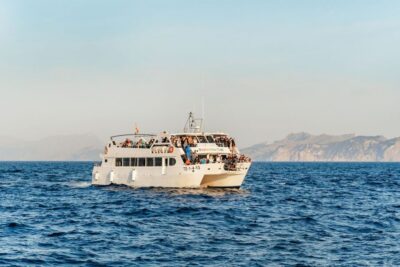 ★ 4.6Worth the detourPort d’Alcudia: Sunrise at Sea & Dolphin Watching Boat TourFrom $692,035 reviews
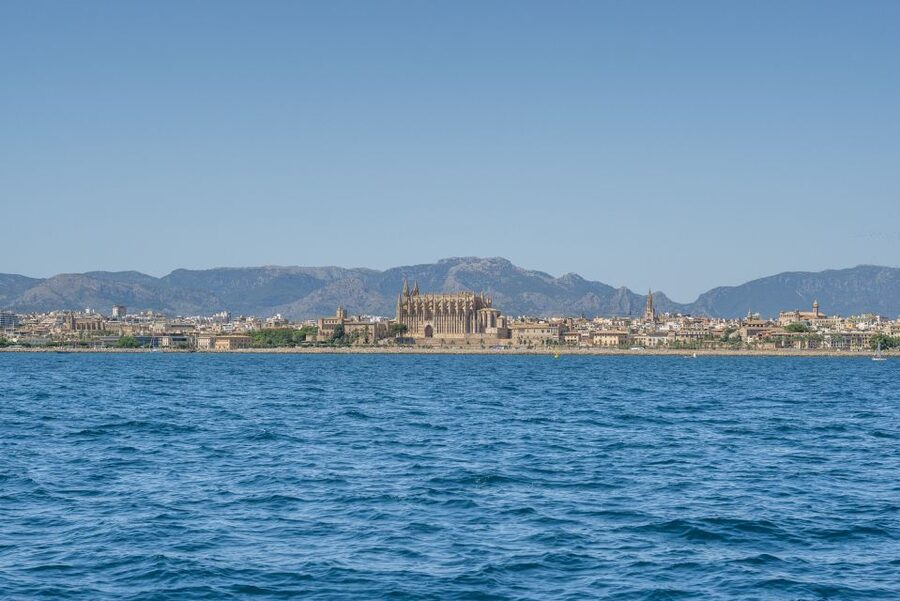
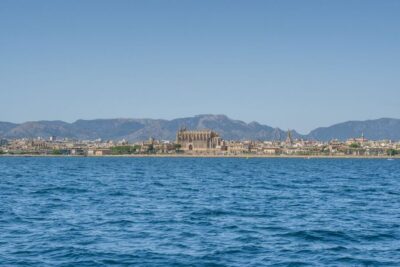
Palma Bay opens the island.
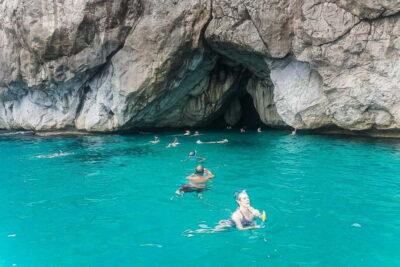
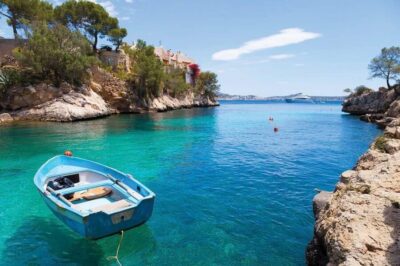
Catamarans cross the broad blue water for swim stops while smaller boats work into coves hidden below the road. Pick the pace first: deck lunch, a quiet sail or a fast run along the cliffs.
Paddle, cruise or sail?
Mallorca looks different from sea level. Decide how active the day should be and whether you want lunch, swim time or sunset to set the pace.
 Space on deck
The catamaran day
5 hours · from $69 · 9,957 reviews
Choose this for a broad deck, an easy swim stop and a social half-day out of Palma or Alcúdia. It suits mixed groups because nobody needs to paddle, steer or keep up with a guide.
See the catamaran days →
Close to the cliffs
The paddle route
2 - 4 hours · from $47 · 2,859 reviews
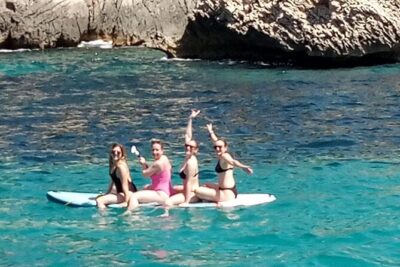
Kayaks and boards reach the small openings that larger boats pass. Expect more movement, fewer passengers and time in the water, with the route shaped by wind and sea conditions.
Find a kayak or snorkel trip →
Space on deck
The catamaran day
5 hours · from $69 · 9,957 reviews
Choose this for a broad deck, an easy swim stop and a social half-day out of Palma or Alcúdia. It suits mixed groups because nobody needs to paddle, steer or keep up with a guide.
See the catamaran days →
Close to the cliffs
The paddle route
2 - 4 hours · from $47 · 2,859 reviews
Kayaks and boards reach the small openings that larger boats pass. Expect more movement, fewer passengers and time in the water, with the route shaped by wind and sea conditions.
Find a kayak or snorkel trip →
 Last light
The evening sail
4 hours (approx.) · from $119 · 1,339 reviews
Leave after the heat eases, watch the limestone coast change colour and return as Palma lights up. This is the quieter choice when swimming matters less than the view.
See Mallorca sunset sails →
Last light
The evening sail
4 hours (approx.) · from $119 · 1,339 reviews
Leave after the heat eases, watch the limestone coast change colour and return as Palma lights up. This is the quieter choice when swimming matters less than the view.
See Mallorca sunset sails →
The island keeps another landscape underground.
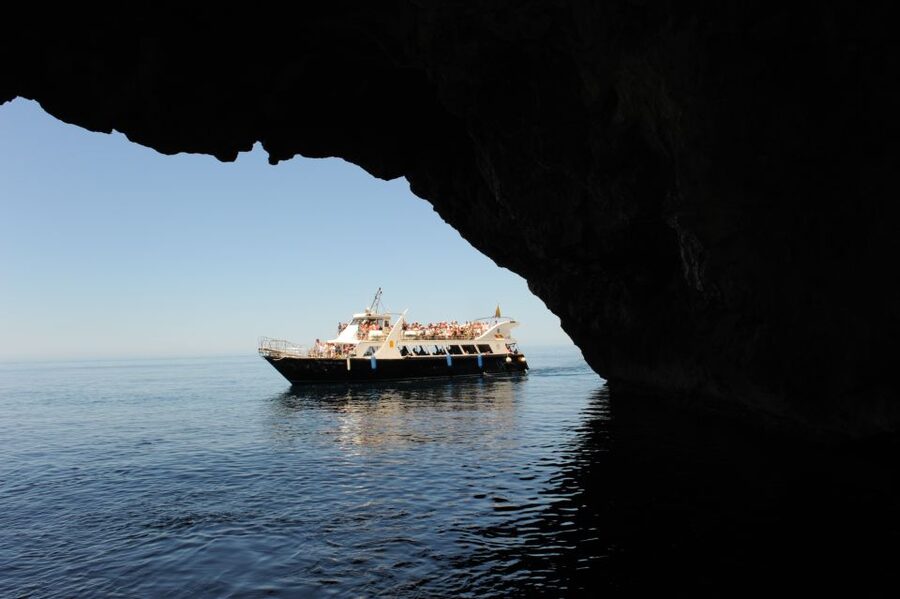
Drach ends at a dark lake, Hams turns stalactites into chambers and the sea caves ask for helmets rather than theatre seats. The right cave day depends on whether you want spectacle or motion.
Markets, olive presses and cellar doors.
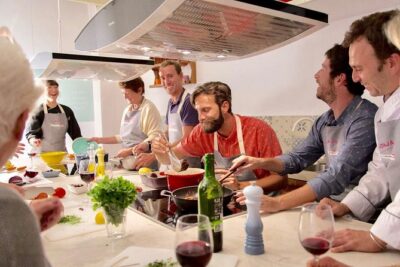
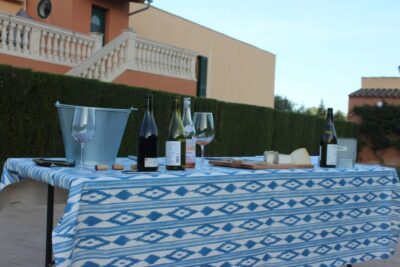
Palma starts with market stalls and tapas. Beyond the ring road, vineyards and olive groves turn the tasting into an afternoon among stone farmhouses.
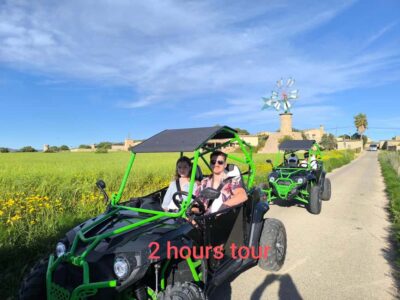
Dust tracks and open-road machines.
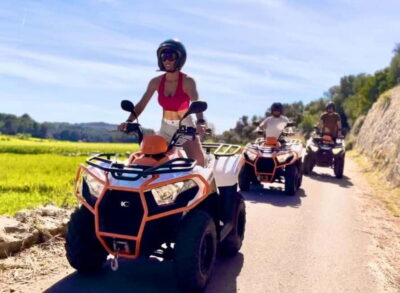
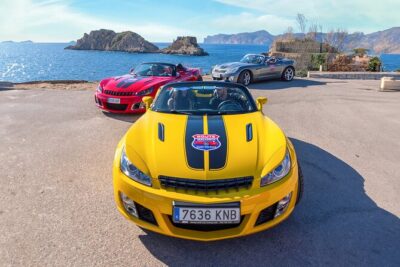
Buggy trails cut through the dry interior while trikes and cabrios follow the coast roads. Check the licence and deposit details, then choose how much dust belongs in the day.

The Tramuntana slows the map down.
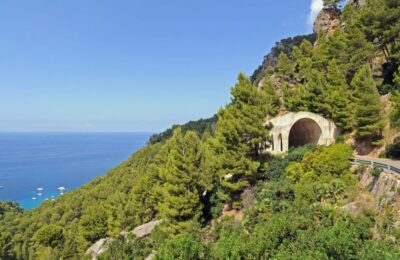
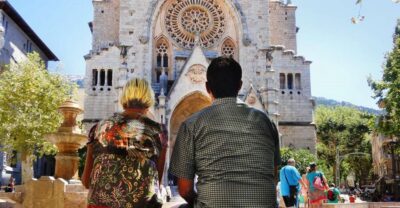
The wooden train reaches Sóller through orange country, Valldemossa gathers around pale stone lanes and Sa Calobra waits below the switchbacks. Give the mountain side a full day.
Choose a coast, town or mountain road.
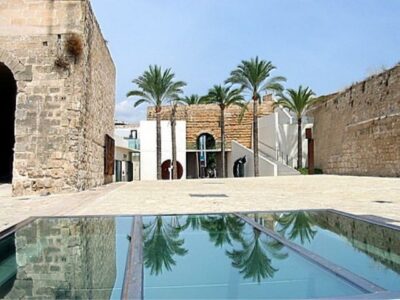
Palma for courtyards and the cathedral. Alcúdia for the long northern bay. Sóller for the train and orange groves. Porto Cristo for the caves. Formentor for the island’s far edge.
Find the day by how it moves.
Sail, paddle, walk, drive or descend underground. Each route opens a different Mallorca and keeps the practical choices together.


Take the long road north.
The island changes quickly beyond the capital: limestone peaks, the long Alcúdia shoreline, village squares and the Formentor peninsula all fit within a full island day.
Three bearings for Mallorca.
Start in Palma, move out onto the water, then use the clearest day for the mountains. That sequence gives the island room to change around you.
 Bearing 1
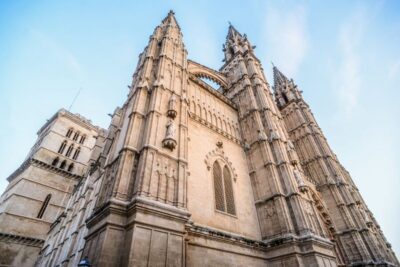
Palma in pale stone
Take the cathedral and old-town courtyards before the heat gathers, then let a market lunch stretch into the afternoon.
Start in Palma →
Bearing 2
The coast from offshore
Give the middle day to a catamaran or small boat, with the afternoon marked by a swim stop rather than a timetable.
Choose a water day →
Bearing 1
Palma in pale stone
Take the cathedral and old-town courtyards before the heat gathers, then let a market lunch stretch into the afternoon.
Start in Palma →
Bearing 2
The coast from offshore
Give the middle day to a catamaran or small boat, with the afternoon marked by a swim stop rather than a timetable.
Choose a water day →
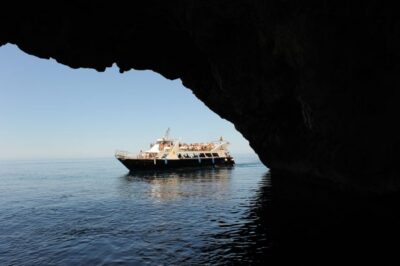 Bearing 3
Across the Tramuntana
Use the clearest forecast for Sóller, Valldemossa or Sa Calobra, where switchbacks and stone villages slow the distance.
Plan the mountain route →
Bearing 3
Across the Tramuntana
Use the clearest forecast for Sóller, Valldemossa or Sa Calobra, where switchbacks and stone villages slow the distance.
Plan the mountain route →
Latest Mallorca tour reviews.
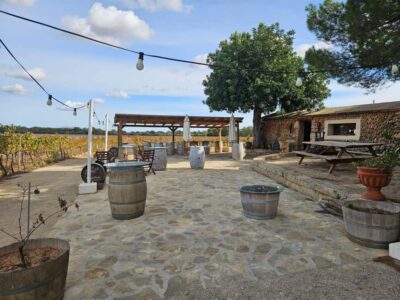 ★ 5.0VISIT BODEGAS BORDOY ,DEGUSTACION 5 WINES, FINGER FOODFrom $513 reviews
 ★ 3.5Mallorca Airport Arrival Transfer -Airport from/to Cala RatjadaFrom $813 reviews
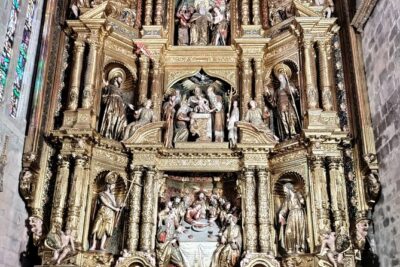 ★ 3.5Mallorca Cathedral Skip The Line TicketsFrom $153 reviews
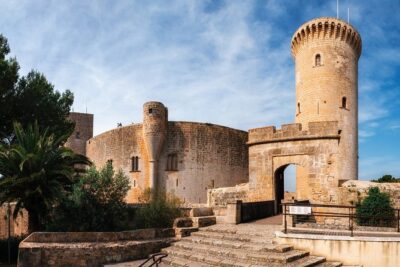 ★ 4.5Discover the major cultural attractions of Palma De Mallorca on a Private TourFrom $5743 reviews
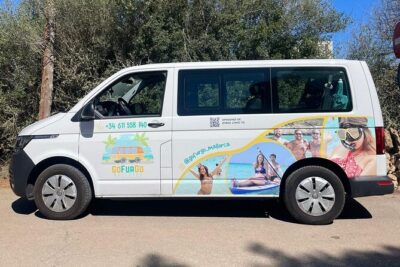 ★ 5.0Experience Es Trenc con SUP y Snorkel, The Spanish caribean.From $1144 reviews
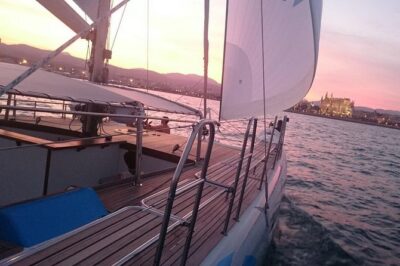 ★ 5.0Adult Only Sunset Catamaran Palma bayFrom $1093 reviews
 ★ 5.0Soller Valley Private Tour and Walking in Orange ParadiseFrom $1143 reviews