
REVIEW · TRAMUNTANA, SóLLER & SA CALOBRA
Sóller: Jardines de Alfabia Entrance Ticket
Alfabia is one of Mallorca’s most unusual garden-and-house pairings. You get Arab-style gardens plus a 500-year-old Mallorcan house set in the Serra de Tramuntana UNESCO scenery, with history layered in almost every corner. I like how the grounds feel designed for walking, not rushing, and I also like that the house reflects multiple eras instead of feeling like a single-theme museum. One heads-up: the garden experience can vary by season, so if you want peak blooms, timing matters.
If you’re choosing just one stop for a one-day sightseeing plan, Alfabia is a strong contender. I love the wide, shaded avenue lined with plane trees and the cool garden details like fountains and hydrangeas. The potential drawback is that on certain dates the gardens may look less flower-heavy, and the overall feel can come down to maintenance and how the exhibits are presented that day.
Key things to know before you go
- UNESCO Serra de Tramuntana setting gives you mountain views as part of the experience
- A garden built on Arab influence plus a very English-style approach to paths and plant layout
- A long house story where Roman-Andalusian roots meet Arabic, Gothic, Renaissance, Baroque, Rococo, and more
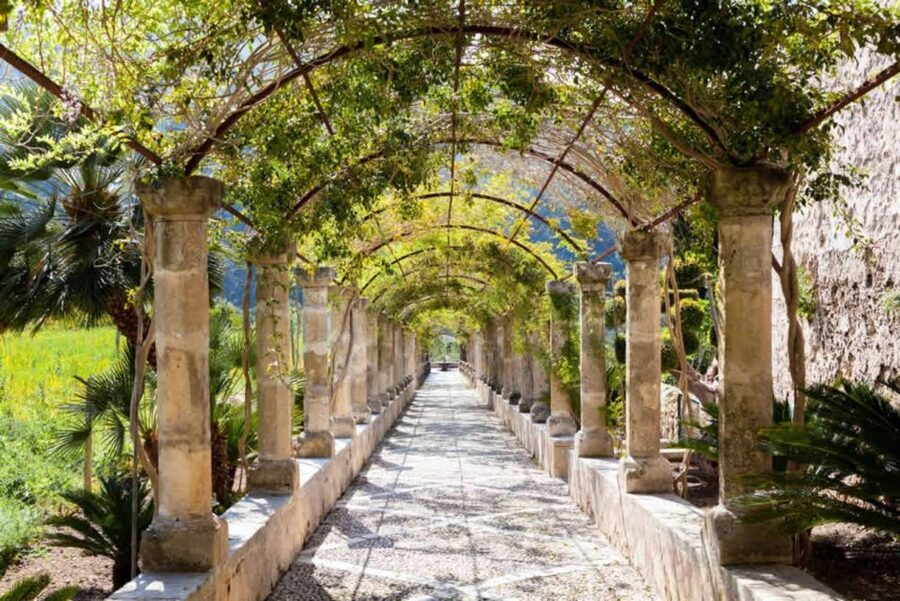
- A memorable walk under three-lane plane trees leading to the traditional Mallorcan patio
- Last entry rules matter since the last entrance is 60 minutes before closure
- You’ll be asked to wear an identification bracelet during your visit
Why Alfabia’s House and Gardens Work Better Together Than Most Stops
Alfabia is special because it refuses to be only a garden and it refuses to be only a house. Instead, you move from shaded outdoor spaces into rooms where different artistic and architectural influences overlap. The result is a visit that feels like you’re watching Mallorca change over time, without losing its sense of place.
This combo also makes the time work for most people. Even if you’re not a hardcore history person, the gardens give you an easy rhythm: pause for fountains, look at the plants, then continue down the avenue. And even if gardens aren’t your thing, the house’s layered design gives you plenty to notice.
You can also read our reviews of more tours and experiences in Mallorca.


The Arab Gardens, English-Style Planning, and the Walk You’ll Actually Remember
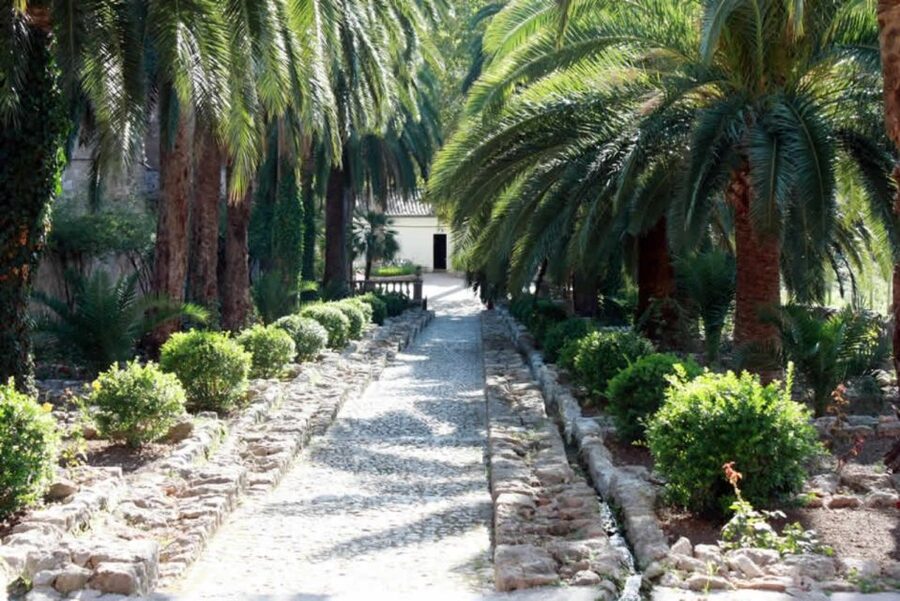
Start with the gardens. The Alfabia complex is set in the Tramuntana mountain range, and you can feel that setting in how the grounds are laid out. The big signature detail is the wide avenue of plane trees arranged as three lanes, which creates a natural tunnel of shade as you walk toward the patio area.
As you move along the paths, you’ll see the clear influence of English landscaping alongside the Arab-style garden approach. That combination matters because it changes how the garden feels. Arab garden design typically emphasizes structure, water, and a sense of order, while the English influence often shows up as broader sightlines, curated walking routes, and a more strolling-friendly layout.
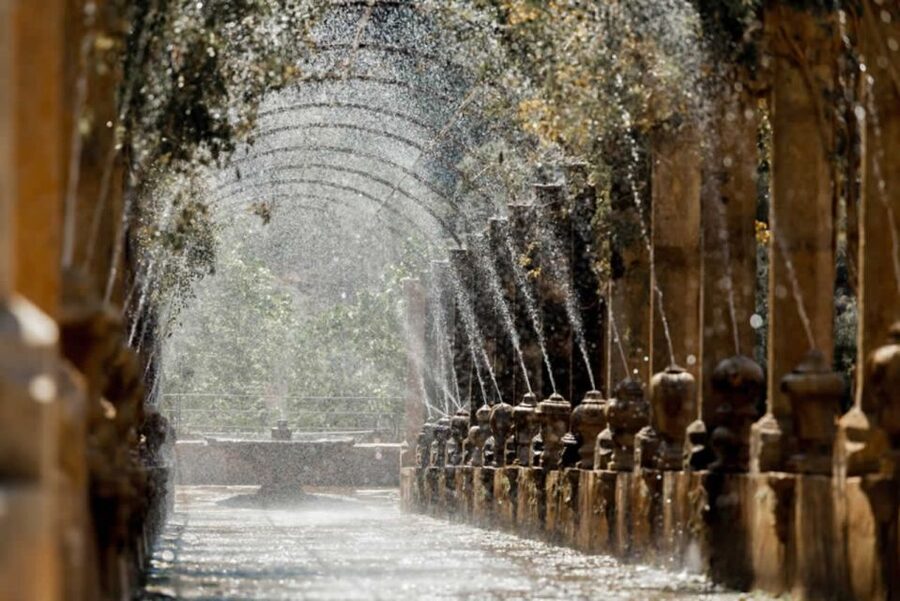
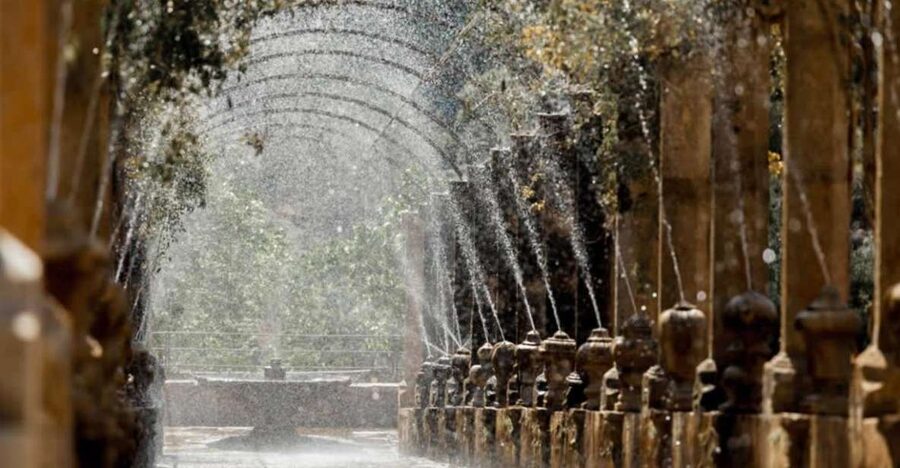
You’ll also want to look for the garden touches that make it feel cool and lived-in, not like a manicured backdrop. The complex includes water fountains and hydrangeas, and those are the kinds of features that make photos better but also make the visit more pleasant when the day is warm.
One seasonal consideration
Here’s the practical truth: gardens look different depending on when you go. On some dates, the gardens may have fewer flowers, and you may notice more attention needed in certain areas. If you’re planning around blooms, consider visiting closer to the earlier part of spring when flowers are more likely to be out. If your priority is shade, structure, and fountains, you can still have a great visit even when the plant palette is quieter.
Heading Into the Traditional Mallorcan Patio
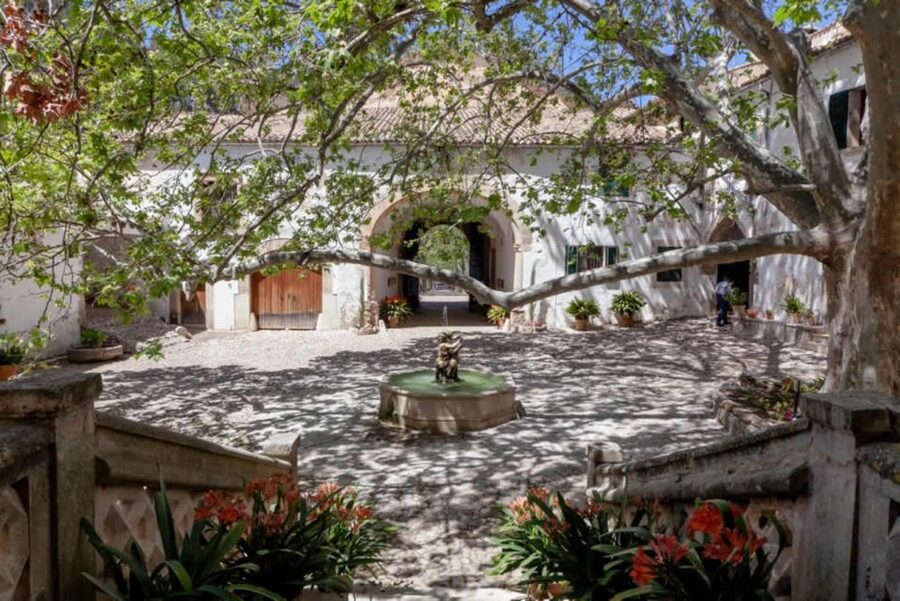
The walking avenue is your warm-up. The main payoff is arriving at the traditional Mallorcan patio, where the garden and house feel like they belong to the same design idea. This is one of those moments where it clicks: this place isn’t just sitting on a hillside. It’s organized for people to move through it, pause in it, and experience the transitions.
Patios are a big deal in Mediterranean architecture because they bring light, ventilation, and a focal point for daily life. At Alfabia, the patio also acts like a hinge between the garden calm and the house’s busy mix of styles. Even without knowing architectural terminology, you’ll likely feel that shift as you step from outdoors into the older interior spaces.
Inside the 500-Year-Old House: A Classroom Without the Lectures
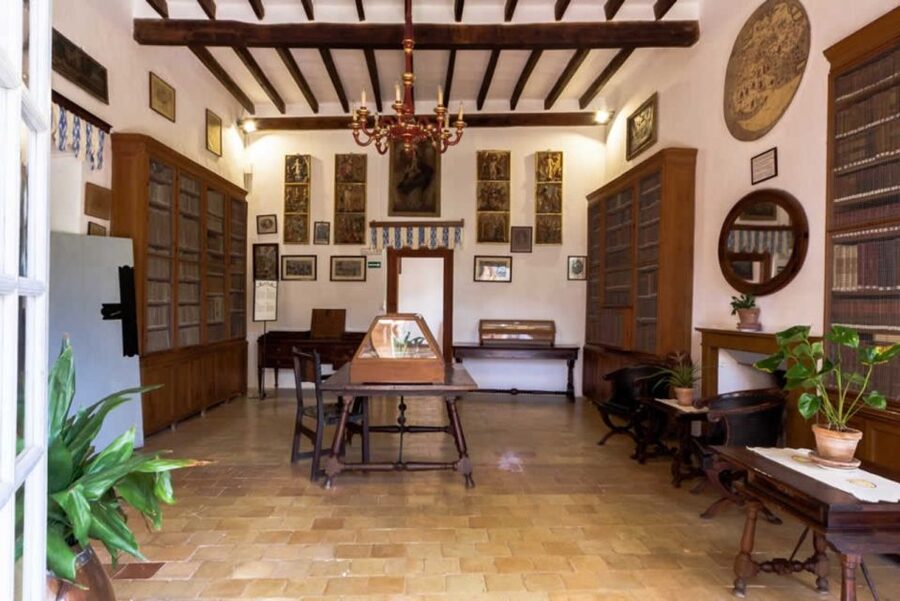
The house is where Alfabia gets really interesting, because you’re not looking at one uniform style. The architecture is described as having Roman-Andalusian roots, with elements from Arabic, Gothic, Renaissance, Baroque, Roman, Rococo, and even English decoration.
Why this matters for you: you’ll get to practice noticing how buildings evolve, not how they look in a brochure. Time leaves marks, and in Alfabia, those marks are treated like part of the identity. Instead of stripping changes away to create one “correct” version, the complex preserves the layering.
You’ll also notice that the development of the house is presented as a model of respect for what came before, alongside conservation and innovation. In plain terms, it means the site doesn’t pretend the past is frozen. It shows you a building that adapted across centuries while keeping its overall balance.





What to pay attention to as you tour
You’ll get the most out of the interior if you move slowly enough to read the room visually. Look for changes in decoration patterns from space to space, and notice how older elements share space with later styles. If an exhibit panel is confusing or feels disconnected, don’t force it. Focus on the physical evidence inside the rooms and the way the spaces flow.
The UNESCO Serra de Tramuntana Setting: Views That Don’t Feel Like Background Noise
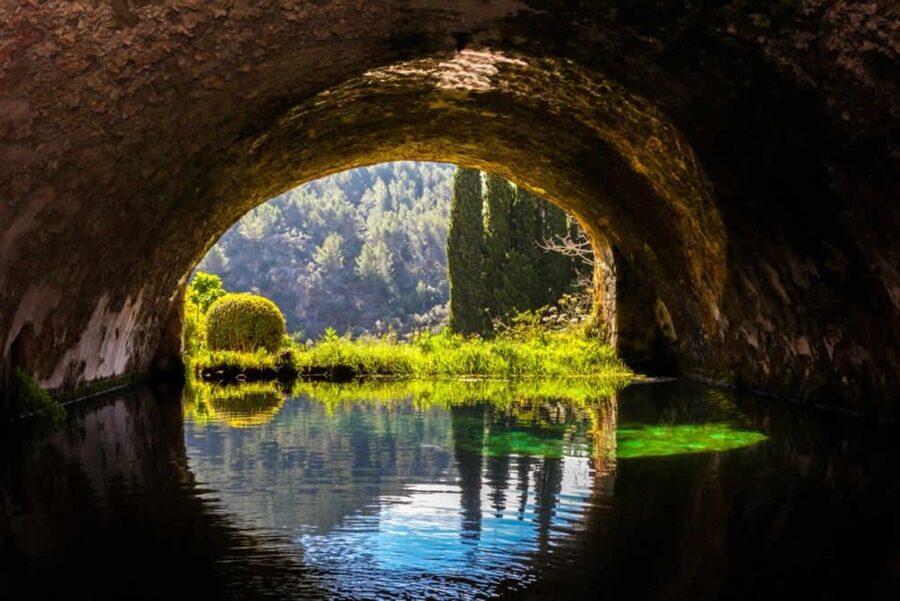
Alfabia sits in the Serra de Tramuntana, part of UNESCO World Heritage. That isn’t just a label here. The mountain context affects how you experience the day.
Even when you’re focused on the house and the gardens, you’re also in a landscape shaped by slope, stone, and distance. The grounds feel like they are part of a larger cultural environment, not an isolated property dropped into the countryside.
How Long You Really Need: Making One Day Feel Comfortable
This experience is designed for a 1-day visit. In a perfect world, you’d give it a relaxed pace with time for wandering. In practice, you should build in a buffer, because you’ll likely want to re-walk sections of the avenue and pause longer inside certain rooms.
Also, plan around the site’s closing rhythm. The last entrance is 60 minutes before closure. That rule matters more than people expect. If you arrive late, you might get rushed in the final stretch, and you can lose the best “arrive and settle in” feeling that makes patios and gardens work.
Planning Your Timing: Start Early if You Want the Most Enjoyable Pace
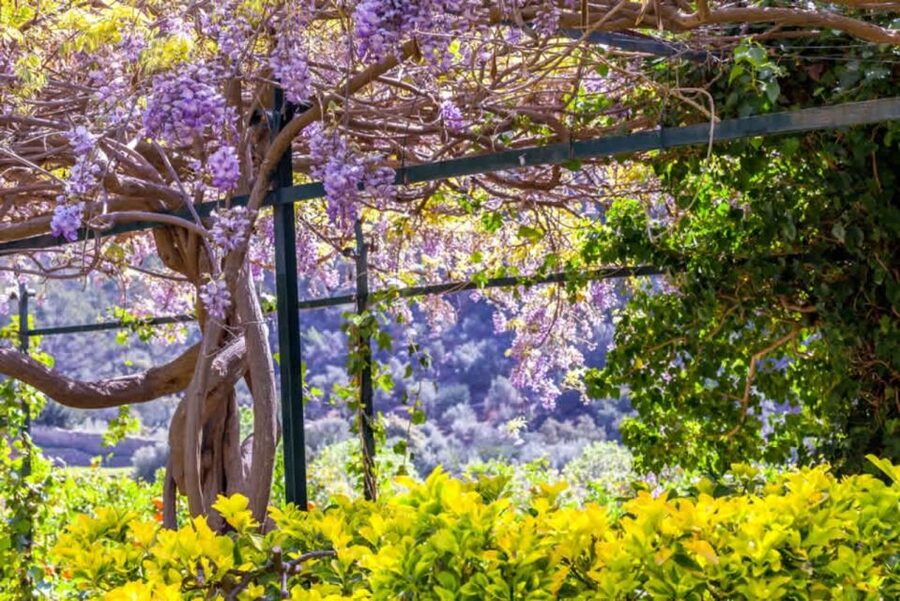
If you can, aim for an earlier entrance time. Reviews and general visitor patterns suggest that the garden atmosphere and flower presence can shift with the date and season, and an earlier start often helps you beat heat and get better light for photos.
You also want enough time to transition from outdoors to indoors without feeling like you’re chasing the clock. The house is worth a slower scan, because the style blending is a large part of why the place feels different.
Getting There From Palma and Using the Sóller Train
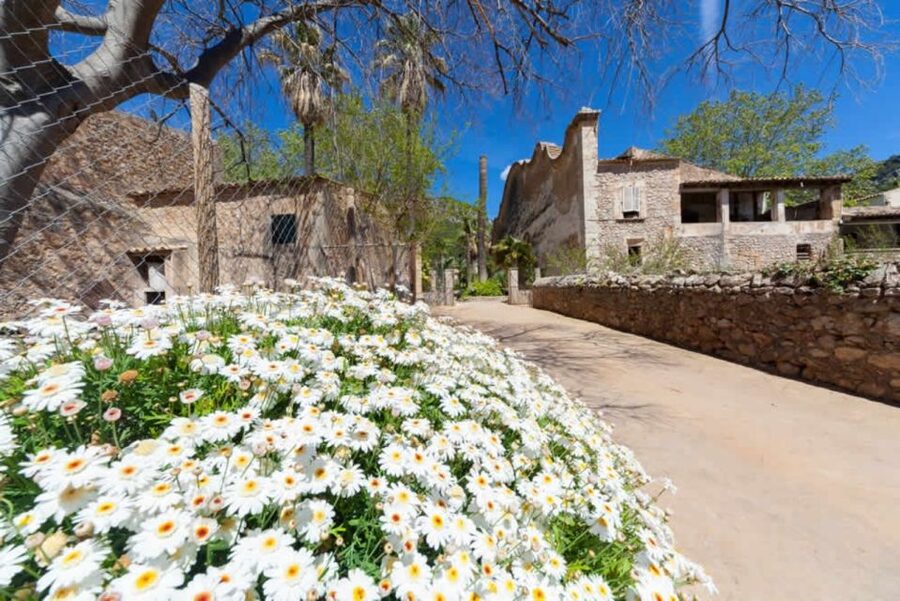
Getting to Alfabia is practical if you’re already planning to base yourself around Sóller or Palma.
Public bus option
You can reach the location by public transportation from Palma using Line 211. Check departure times here: https://www.tib.org/es/web/ctm/autobus/linia/211
The Sóller Train option
If you’re using the Sóller Train, you can check departure times here: http://trendesoller.com/horarios
Practical note: whatever route you pick, build your schedule around that last-entry cutoff. A transport delay is the most common reason people feel rushed at timed sites, even when the visit itself is straightforward.
What You’re Paying For: Is About $11 Good Value?
At around $11 per person for an entrance ticket, Alfabia is priced for a broad range of visitors. For that cost, you’re getting:
- Entry into a complex that combines outdoor gardens and indoor rooms
- A house described as having over 500 years of history
- A garden setting in the Serra de Tramuntana UNESCO context
- Grounds designed for strolling, including notable features like the fountain areas and hydrangeas
- A visit that mixes multiple design eras, instead of one style theme
In other words, you’re not just paying for a “pretty walk.” You’re paying for an experience with enough variety to keep different interests engaged, and that variety is often what makes a ticket feel worth it.
Reviews at a Glance: What People Tend to Love, and What to Watch For
The overall rating is 4.7 from 505 reviews, which is a good sign for consistency.
The most praised aspects
People tend to highlight the gardens as beautiful and enjoyable, including visits in cooler months like February. Many also mention that it’s a pleasant place to slow down and walk through, with a clean, well-kept feeling.
There’s also a small but telling detail: some visitors recommend picking up a fresh orange juice that comes from local oranges. It’s the kind of simple local touch that can make a garden visit feel more complete.
The most common complaints or cautions
Not every visit lands perfectly. Some people have pointed out that certain garden areas may look less well maintained at the time of their visit, including trees that appear unwell. Others noted that when flowering is low, the garden can feel quieter and the experience may feel less exciting. A few also felt the on-site exhibition was not fully coherent.
You can protect yourself from these downsides by going with realistic expectations. If you’re visiting for structure, shade, and the garden design, you’re on safer ground. If you’re visiting only for peak flower color, your date matters more than the ticket description suggests.
Who Should Book Alfabia Gardens?
You’ll probably love Alfabia if you:
- Want a mix of gardens plus architecture in one location
- Like places where multiple eras sit side by side, instead of being restored into a single time period
- Prefer walking through a shaded, structured garden rather than doing a fast checklist tour
- Are already interested in the Sóller area and want a UNESCO-connected stop nearby
You might reconsider if:
- You only care about high-flower seasons and are traveling specifically for a certain bloom peak
- You need a super polished, museum-style experience with perfectly organized interpretation everywhere you go
- You’re short on time and can’t realistically arrive with enough margin for the last entrance rule
Should You Book This Alfabia Ticket?
Book it if you want one good day that blends scenery, history, and calm walking. The combination of Arab-style gardens and a multi-era house is the key value, and the price is low enough that you’re not taking a big financial risk for a full experience.
If you’re on the fence, my practical checklist is simple:
- Plan to arrive with time to stroll, not just to pass through.
- Target a season when you’ll likely enjoy flowers, or go in knowing the garden will still be worth it for structure and shade.
- Keep the last entrance 60 minutes before closure in mind when you schedule transit.
If your idea of a great stop is a place you can wander through twice in your head, as you move from garden to patio to house, Alfabia is a strong yes.
More Tour Reviews in Mallorca
Not for you? Here's more nearby things to do in Mallorca we have reviewed





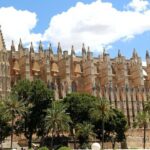

Tramuntana, Sóller & Sa Calobra, compared.
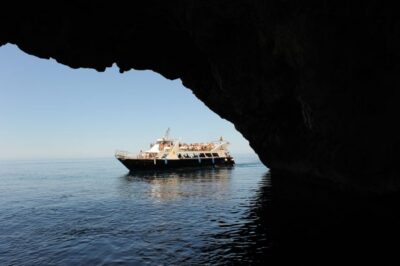 ★ 4.4Sóller: Boat Trip to Sa Calobra and Torrent de PareisFrom $40690 reviews
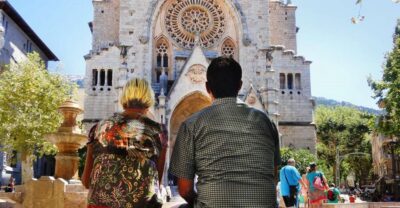 ★ 4.7Alcudia/Marratxi: Valldemossa & Soller Tour by Tram & BusFrom $58499 reviews
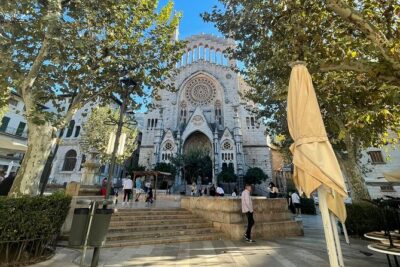 ★ 5.0Mallorca Full-Day VIP Tour: Valldemossa, Deià & Sóller ExperienceFrom $114270 reviews
 ★ 4.9Tramuntana Full-Day Tour with Sóller Train and LunchFrom $230213 reviews
 ★ 4.5Valldemosa and Valley of Soller Tour in MallorcaFrom $59192 reviews
 ★ 4.5From Palma: Serra Tramuntana and Lluc Monastery Guided TourFrom $118111 reviews
 ★ 4.6Day Trip to Hidden Gems of Tramuntana with LunchFrom $147111 reviews
 ★ 4.0Soller Port and ValldemossaFrom $4784 reviews
Browse the lists this tour appears in