
REVIEW · PALMA TAPAS, MARKETS & COOKING
Spanish Cooking Experience in Mallorca
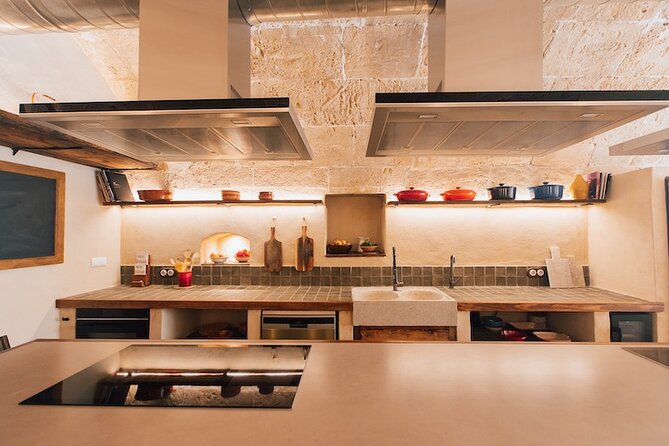
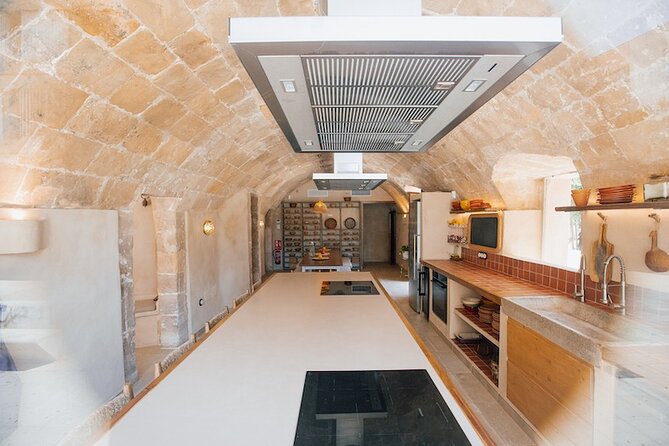
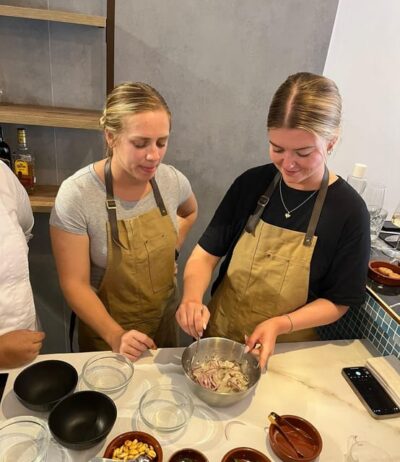
Cooking in a windmill kitchen is a real treat. This Spanish cooking experience in Palma turns a 16th-century flour windmill into a working classroom, with you learning by doing, not watching.
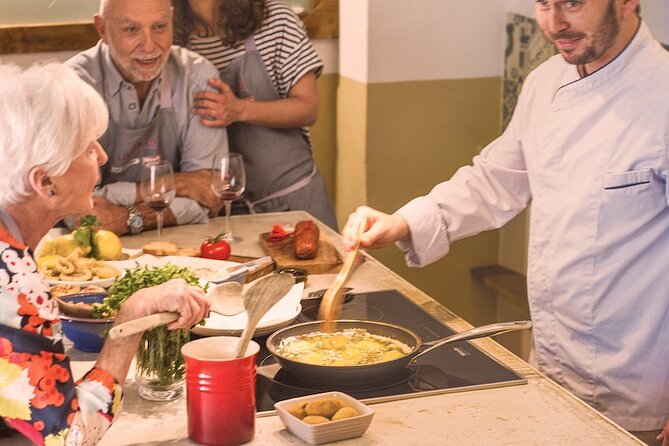
I especially like the hands-on team setup and the fact that you leave with a full 5-dish menu to recreate at home. The unlimited open bar and dinner at a shared table make it feel like a real meal, not a ticket-and-rush stop.
One thing to plan for: the menu includes dishes that are not vegan, and some parts are not vegetarian either, so you’ll want to flag dietary needs early.
Key highlights worth your time
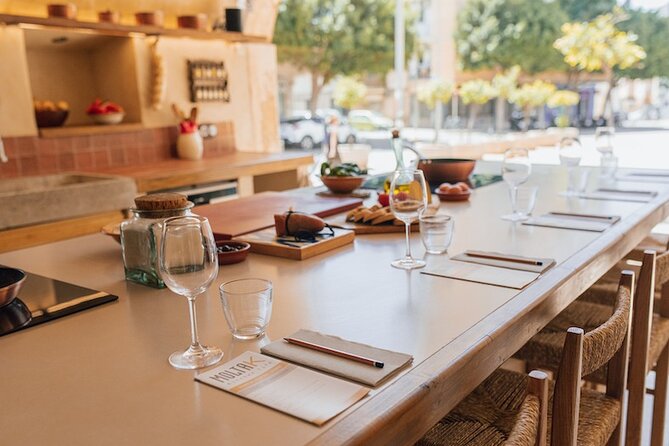
- 16th-century flour windmill setting in Palma, a genuine old structure turned into a modern cooking space
- 5-dish menu that walks through Spanish flavors, including sobrasada, tortilla, paella, and crema catalana
- Unlimited drinks open bar plus bottled water, built into the experience
- Chef-led, English instruction with named instructors rotating through classes
- Private to your group format, with teamwork built into the cooking process
A 16th-Century Windmill Kitchen in Palma
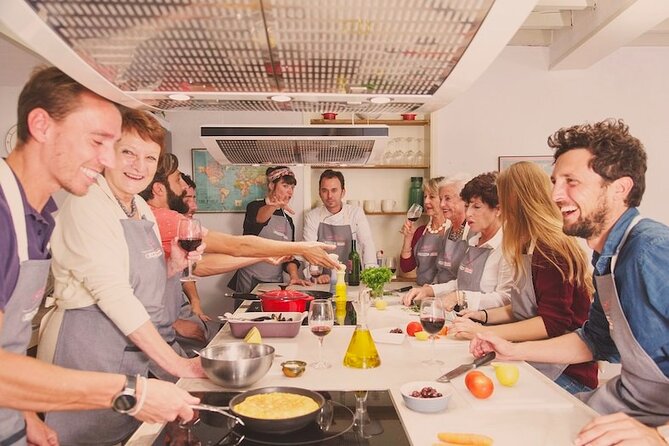
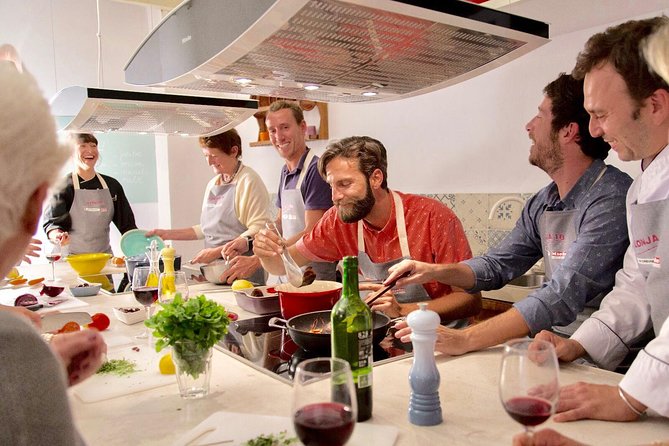
This is the kind of tour that changes your mood fast. You’re not just “taking a class” in a random studio. You’re cooking in a historic old flour windmill that’s been brought back to life, and you feel that in the space right away: thick walls, a distinctive old-world feel, and then a fully functional kitchen where you actually get your hands into the food.
I like that the organizers clearly built the experience around comfort. The kitchen work is structured so you are not standing around waiting. You’ll be assigned tasks, and the chef guide keeps the energy moving, which matters if you have no cooking background or you’re traveling with family.
There’s also something practical here. Mallorca can be hot in the middle of the day, so having a 3-hour plan that’s indoors and food-focused is a smart use of time. It’s a built-in break from walking, beach-sun fatigue, and long dinners that might stretch late.
You can also read our reviews of more tours and experiences in Mallorca.



Your 5-Dish Spanish Menu: From Sobrasada to Paella
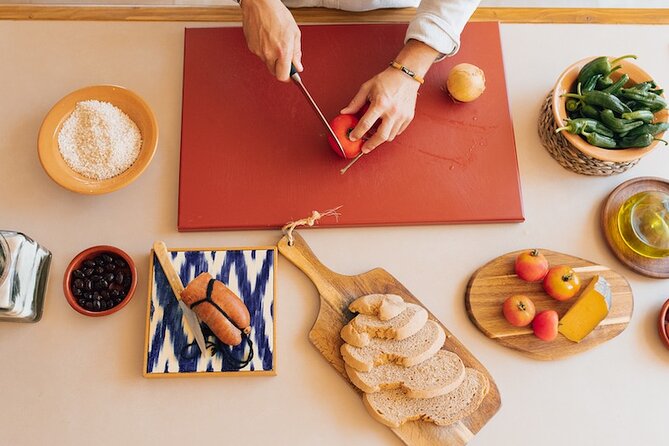
The format is a classic Spanish home-cooking lineup: you start with snacks, then you move through the meal like you’re cooking for friends. The menu listed for this experience is:
- Welcome snack
- Local sobrasada suquet (starter)
- Spanish tortilla (starter)
- Mixed paella (main)
- Crema catalana (dessert)
Starter: Welcome snack
You begin with a small welcome bite. It’s the kind of first step that gets everyone comfortable in the kitchen and helps you settle in before hands-on prep starts. If you’re nervous about cooking, this first round matters.
Starter: Local sobrasada suquet
This is the Mallorca-flavored part. Sobrasada is one of those iconic cured-meat specialties that shows up across the Balearics, and turning it into a suquet gives it a richer, saucy profile.
Here’s the key planning point: this starter is not suitable for vegetarians or vegans. If your diet is flexible, you can still enjoy the overall experience, but if you’re strictly avoiding pork or meat products, you’ll want the chef to guide you on substitutions ahead of time.
Spanish tortilla
Then you get the tortilla. This dish is suited for vegetarians, but it’s not vegan. That’s important because many people assume tortilla is always vegetarian-friendly. In a typical Spanish tortilla, eggs are part of the base, and that makes it off-limits for vegan diets.






Main: Mixed paella, with adaptation possible
Paella is the headline. This one is listed as mixed paella, and the traditional mix includes both meat and fish. The good news for many diets is that the experience can adapt for vegetarians and pescatarians.
What I like about this setup is the learning payoff. Paella looks intimidating, but when someone guides you through the steps, you get a feel for timing, heat management, and what makes paella taste like paella.
Dessert: Crema catalana, with lactose and vegan options
For dessert, you’re making crema catalana. The data says it contains lactose, but it can be adapted for vegans or lactose intolerance by using vegetable milk.
That means you’re not just being asked to watch dessert happen. You’re participating, and that usually makes a bigger difference than people expect.
Who Teaches You, and Why Chef Energy Matters
This class runs with a rotating cast of professional chef guides. The information you have names instructors such as Vivian, Ricc, María, and Luís, and the experience has been led by chefs including Laura, Andrés, Ricardo, Carlota, Roberto, and Vanessa.
The practical takeaway: these chefs are not just there to explain recipes. They also manage the room. In a cooking class, that’s half the value. If the chef is good at keeping tasks clear and people involved, everyone cooks, not just the confident cooks.
Also, since this is listed as offered in English, you can ask questions without fighting translation. That matters for learning, especially if you want to take the recipes home and not just remember that the food was good.
What the Meal Feels Like: Cooking, Then Eating Together
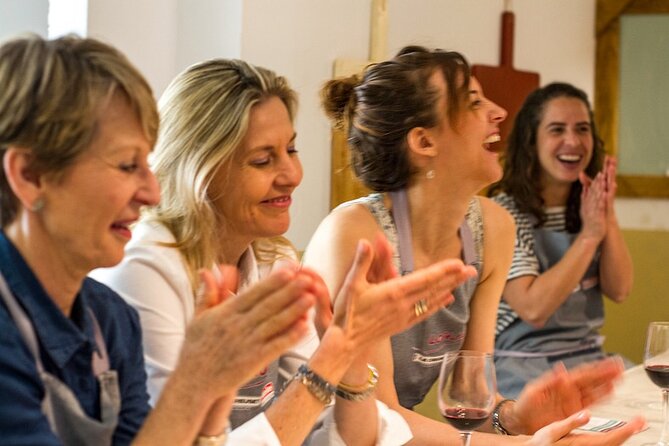
After the cooking session, you sit down together at a big dining table. That detail is more important than it sounds. A lot of cooking classes end with you eating quickly and leaving. Here, the experience leans into the Mediterranean table as a social event, the kind of time when people talk while the food is still hot.
I like the pacing: you cook together, you taste as things come together, then you settle into a shared meal. It makes the experience feel complete.
And yes, there’s an open bar. The experience includes bottled water and unlimited drinks from the bar. People underestimate how much that changes the vibe. A cooking class can be a little stressful at first. Drinks and a relaxed atmosphere help you focus on learning and tasting instead of worrying you’re doing something wrong.
Drinks, Timing, and How Long 3 Hours Actually Takes
The experience is listed as about 3 hours. Some classes feel closer to 4 because you’re cooking multiple dishes, tasting along the way, and then sitting down to eat what you made.
Either way, the time is usually tight enough that you stay engaged, but not so rushed that you feel like you missed key steps. For planning, think of it as a half-day activity you can place in an afternoon. It works well as a break between walking and dinner.
If you’re the type who hates late nights, this is a relief. You’ll finish after the meal, but you still have energy for a casual post-class stroll in Palma.
Price and Value: What $157.21 Buys You in Real Terms
At $157.21 per person for roughly 3 hours, the math only works if you get more than a few bites and generic instructions. In this case, you get a full set of included experiences:
- Food tasting
- A 5-dish hands-on menu experience
- Unlimited drinks from an open bar
Then there’s the less obvious value: skill transfer. If you cook even two of these dishes at home well, the class becomes a long-term souvenir instead of a one-time memory.
I also like that the class is private to your group. That usually means you’re not sharing the experience with strangers outside your booking, and it helps with comfort, especially for couples, families, and small groups.
One small reality check: if you’re strictly vegan or have multiple restrictions, you may need to coordinate carefully. Because some dishes listed are not suitable for vegans or even vegetarians, you might not eat every item the way others do. That can reduce value if you expected a totally fixed vegan menu.
Dietary Options: Vegetarian, Vegan, and Lactose Questions to Ask
This is where you should do your homework before you go.
What the menu info tells you:
- Sobrasada suquet starter is not suitable for vegetarians or vegans.
- Spanish tortilla is suited for vegetarians, not for vegans.
- Mixed paella can be adapted for vegetarians and pescatarians.
- Crema catalana contains lactose, but it can be adapted for vegans or lactose intolerance using vegetable milk.
So here’s what I recommend you do: message the organizer at booking with your full diet needs, then confirm what you will cook and eat. Don’t just say vegetarian. Clarify whether you eat eggs or dairy, and whether you avoid pork specifically.
If you’re flexible with seafood or eggs, you’ll likely have an easier time fitting into the plan. If you’re strict vegan, expect that you’ll still participate, but you should assume not every dish follows a clean vegan path without adaptation.
Where to Go: Carrer de la Indústria 9, Palma
Meeting point is Carrer de la Indústria, 9, Ponent, 07013 Palma. The activity ends back at the meeting point. That round-trip setup is convenient, because you’re not trying to catch a ride right after cooking and eating.
The location is listed as near public transportation, which is helpful if you want a stress-free arrival. If you drive, plan for the reality of Palma streets. One of the class notes describes parking as brutal and suggests budgeting around 30 minutes to find a spot and then walking to class.
So if you’re arriving by car, don’t treat it like a quick in-and-out. Arrive early enough that you’re not sweating while the chef is ready to start.
Best Fit: Who This Spanish Cooking Class Works For
This experience makes sense if you want:
- A hands-on cooking lesson, not a passive tasting
- Spanish classics with real technique help
- A social meal in a memorable setting
- A practical menu you can cook later at home
It also fits a wide range of skill levels. The structure is built so beginners can participate and more experienced cooks can still learn small techniques. Family groups show up too, and the minimum age is 6, which gives you confidence that the format can handle mixed ages.
If you’re traveling as a couple, this is a great “one special activity” day. If you’re with teens, it’s a rare tour that keeps people engaged because they’re actively making the food. If you’re solo, the shared work and meal time help you meet people without forcing you into an organized group tour vibe.
Should You Book This Mallorca Cooking Class?
If you want a Mallorca activity that feels both local and practical, this is an easy yes. The combination of a 16th-century windmill setting, a real 5-dish menu you cook, and the included open bar makes it a strong value for a 3-hour slot.
I’d skip or at least think twice if your diet is very restrictive and you haven’t already confirmed how it will be handled. The menu has specific items that are not suitable for vegans, and that means you should clarify early so you’re not disappointed on the day.
For most people, though, this is exactly the kind of experience that turns a trip into something you can repeat at home. If Mallorca is on your itinerary, put this Spanish cooking class in Palma near the top of your list.
More Tour Reviews in Mallorca
Not for you? Here's more nearby things to do in Mallorca we have reviewed









Palma Tapas, Markets & Cooking, compared.
 ★ 5.0Luxury Catamaran sailing with welcome Drinks Tapas Max10-12PersonFrom $1191,339 reviews
 ★ 5.0Mallorca Catamaran Small Group Cruise with Tapas 4-hoursFrom $131526 reviews
 ★ 4.5Mallorca Beach & Caves 4hr Boat Trip Drinks, Tapas, SUP & SnorkelFrom $104374 reviews
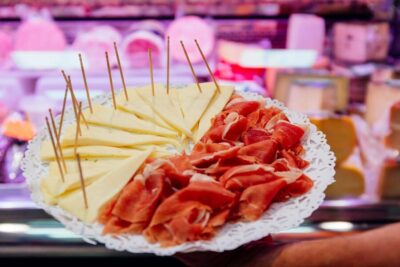 ★ 4.6Foodie Walking Tour of the Old TownFrom $77372 reviews
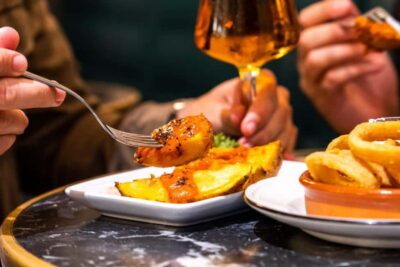 ★ 4.5Gourmet Tapas and Wine TourFrom $63371 reviews
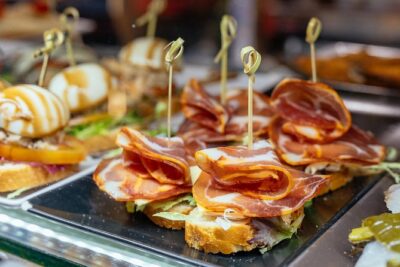 ★ 4.5The Award-Winning PRIVATE Food Tour of Mallorca: The 10 TastingsFrom $146317 reviews
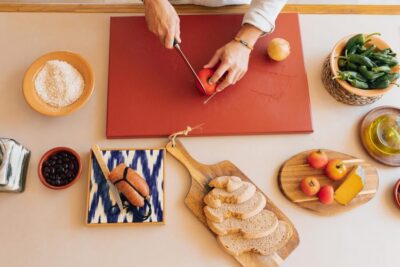 ★ 5.0Spanish Cooking ExperienceFrom $136288 reviews
 ★ 4.8Mediterranean Cooking Class with DrinksFrom $105240 reviews
Browse the lists this tour appears in