REVIEW · MALLORCA WALKING & HISTORY TOURS
Palma de Mallorca: Guided Tour of the Old Town
Palma reads like a living textbook. This guided old-town loop is a smart way to connect the city’s power and beauty, with La Seu cathedral and La Lonja exchange as your headline stops, plus architecture stories you can actually picture. I also love how guides like Maja and Yvonne bring the details, so questions feel welcome instead of awkward, and one fair consideration is that it is not for wheelchair users and you cannot bring luggage or large bags.
You get 105 minutes, so it is long enough to see the main sites and still short enough to keep your legs happy. Plus, you can choose a German-speaking join-in tour, or go private in English, French, or German if your group prefers more flexibility.
What really makes this tour fun is the mix of big monuments and small, personal places, like ornate patios you might otherwise walk past. You will hear how builders and designers linked the Mediterranean economy to Palma’s identity, including names such as Pere Morey and Guillem Sagrera.
Key takeaways before you go

- A guide-led 105-minute walk focused on Palma old town, not a rushed checklist
- La Seu cathedral and La Lonja exchange tied to the city’s historic maritime wealth
- Patios and courtyards that show another side of Palma beyond monuments
- A broad mix of secular sites, including palaces, gardens, squares, and the Jewish quarter
- Modernisme architecture and the Gaudí influence you might not expect to find here
- Es Baluard and Plaça Cort for a well-rounded view of culture and civic life
Why Palma Old Town Works So Well on a Guided Walk

Palma’s old town is the kind of place where the streets look pretty, but the real magic is in the layers. One minute you are under grand stonework, the next you are crossing a square that once helped run the city. A guided tour helps you connect those dots quickly.
In a tight 105-minute window, you get an efficient route through the highlights that matter, without turning the day into a sprint. The big wins for me are the way the guide can explain what you are seeing, and the way the tour includes both religious and secular landmarks, so Palma feels like a functioning city, not a museum.
There is also a practical angle: you will spend time walking through central areas, so comfortable shoes matter. If you show up ready to walk and pay attention, the tour gives you a foundation you can build on later with your own exploration.
You can also read our reviews of more tours and experiences in Mallorca.
Meeting at Av. d’Antoni Maura and Staying Comfortable

Most groups start at Av. d’Antoni Maura, 22. The exact meeting point can vary by option, so it is worth double-checking your confirmation message when you book.
What to plan for is simple. This is a walking tour, and you will cover enough ground to feel it in your calves if you try it in flip-flops. Bring comfortable shoes, and if you are traveling light, you are already set, because luggage or large bags are not allowed.
The tour is also not described as wheelchair accessible. If mobility is a concern, you will need to look for a different format or a more accessible route.
On the upside, group size is listed as private or small groups, and that usually means fewer bottlenecks when you pause for explanations outside key buildings. It is one reason the guide can keep the flow going while still answering questions.
La Seu Cathedral: More Than a Pretty Facade

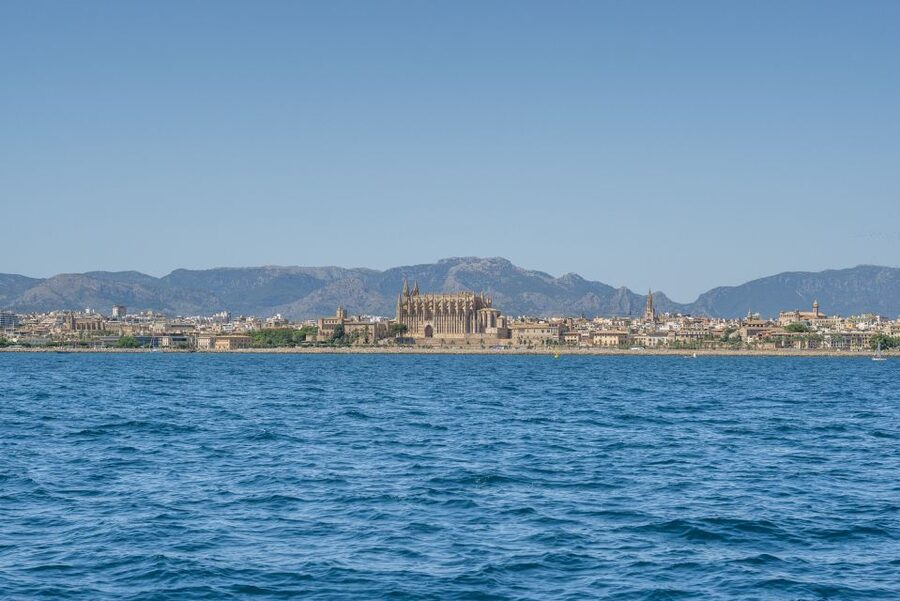
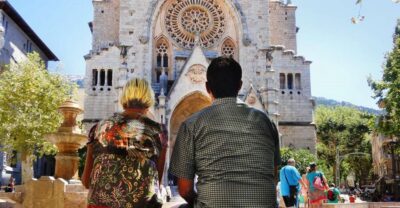
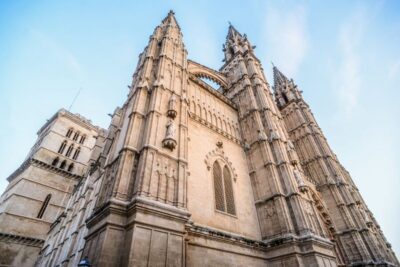
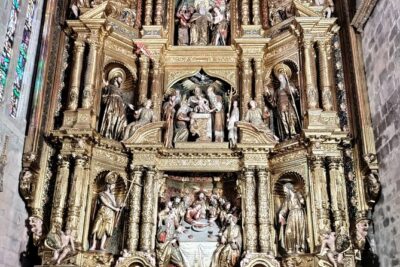
You will spend time around La Seu cathedral, and it is not just the usual sightseeing stop. The guide frames it as part of Palma’s bigger story, including mention of Guillem Sagrera among the builders tied to the cathedral.
Why this matters to you: cathedrals can feel like static stone from a distance. On this tour, you get context that turns the building into a marker of ambition, identity, and craftsmanship. Even if you are not a hardcore architecture person, hearing who shaped the cathedral and why you are standing where you are helps you notice details you would likely miss.
A practical note: entrance fees are not included. That means you can still enjoy the exterior areas and the guide’s explanations, but if you want to go inside for sights on your own, you may need an additional ticket.
The tour is designed to fit the cathedral into a sequence, so it does not feel like a one-site detour. It becomes the anchor for understanding other historic power centers that come next.
La Lonja Exchange and Palma’s Mediterranean Money Story

After La Seu, the La Lonja exchange is one of the most important stops because it shifts the focus from worship to commerce. This is where you see how Palma mattered across the Mediterranean, not just as a place to pray, but as a place to trade and finance.
The guide helps you connect La Lonja to what you will also hear about later in the walk, the mix of religious buildings and civic power. If you like explanations that make the city feel logical, this part tends to click fast because the story is concrete.
You will likely get a feel for why Palma’s economy influenced the way people built, funded, and represented themselves through architecture and public spaces. That kind of narrative is exactly what keeps a short tour from feeling like a blur.
Also, remember entrance fees are not included. If you want to spend extra time inside, plan for that cost and factor in the time needed. If you prefer to keep things simple, the guided exterior viewpoints and the story alone can still be worthwhile.
Almudaina Palace, Consolat de Mar, and the Power of Secular Palma

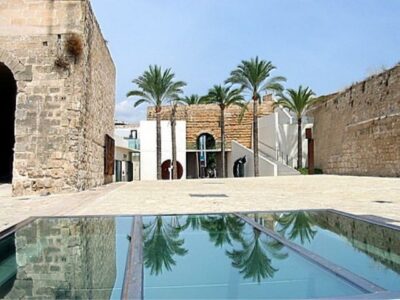
Palma is often thought of in terms of beaches and views, but the old town is full of administrative and aristocratic landmarks. You will visit sites including Almudaina palace and Consolat de Mar, and you will also hear about other civic spaces along the way.
For you, the payoff is variety. Instead of spending the entire walk on one theme, you get a sense of how ruling structures and economic systems shaped what you see on the street today. Places like Almudaina connect to royal and historical authority, while Consolat de Mar points toward the civic and maritime world that helped run the city.
This section can be a little dense if you are the kind of traveler who likes long breaks and quick photos. The good news is the guide is there to explain why the buildings matter, and the tour is timed so you are not stuck staring at stone with no context.
If you enjoy the human side of history, pay attention to the architect mentions, since names like Pere Morey and Guillem Sagrera come up as part of how Palma was shaped by specific people and periods.
Patios and Hidden Courtyards You Might Walk Past Alone

One of the best reasons to do a guided walk here is that Palma has “ordinary-looking” streets that hide serious beauty. This tour specifically calls out the ornate patios, Spanish courtyards you might otherwise pass by without noticing.
Why I like this: patios change how you experience a city. They slow you down and make you look inward, not just upward at facades. They also give you a different kind of architecture lesson, more about design choices and everyday elegance than monumental scale.
You will also encounter other characterful spaces such as gardens, squares, and monuments. Even if you cannot stop everywhere to photograph, the guide’s pointing out what to look for can make your self-guided time later much better.
This is also one of the easiest parts to enjoy even if you are not a specialist. Once you see what a patio is and why it matters, it is hard to stop noticing similar courtyards elsewhere in the old town.
Jewish Quarter, City Wall, and the Civic Buildings in Between

Palma’s past is not just cathedral-and-royalty. The tour includes visits around areas such as the Jewish quarter, plus the city wall and government-related buildings like the episcopal palace and other civic architecture.
That mix matters because it gives Palma a fuller sense of time. Cities are made by many communities, laws, faiths, and power structures. When you hear those stories while standing in the right locations, the streets start to feel like evidence, not just scenery.
Practical tip for you: this part of the tour is where good questions pay off. If you have curiosity about how these communities interacted or how the city evolved, ask. The guide style here is described as detailed and local, and groups get help answering questions rather than rushing past them.
Also, if you are planning your own dinner afterward, pay attention to the area and street feel as you go. Even without a meal stop on the tour, the guided route can help you choose where to wander next for food.
Es Baluard and Plaça Cort: Culture and Civic Life in One Route

The walk also includes Es Baluard museum and Plaça Cort, both helpful for rounding out the old town experience. They add a more modern cultural pulse to all the older architecture and history.
Plaça Cort matters because it is the kind of civic square that helps you understand how public life works. Even if you do not go inside a museum on the tour, simply seeing where cultural institutions sit within the historical fabric makes the city feel current.
Es Baluard is listed as part of the experience, so you should expect the guide to point out what you are looking at and how it fits into the wider story. If you like museums, you may decide to return later. If you are more of a walker than a museum-goer, you can still enjoy it as a reference point.
One consideration: since entrances and food are not included, you might want to check your own plan afterward. If you are hungry, build time for a sit-down meal outside the tour rather than waiting for the tour to cover it.
Modernisme Buildings and the Gaudí Influence in Palma

Palma is not only Gothic stone. The tour highlights modernisme buildings and mentions the disciples of Antoni Gaudí, particularly in relation to palaces and manors you will see or learn about during the walk.
This is one of the reasons the tour appeals to a wider range of travelers. If you came to Palma for architecture, great. If you came for the vibe, you will still get a “wait, really?” moment when the city shows off a different style and you learn how it connects to broader Spanish design traditions.
The guide’s job here is to make the stylistic shift make sense, not just name-drop. When you understand why these design elements exist, you start to see patterns, textures, and details as you walk.
If you are planning to add more self-guided walking later, modernisme knowledge is useful. You can spot it faster and stop less randomly, which saves time and helps you get better photos.
Price and Value: Is $46 Worth Your 105 Minutes?
At $46 per person for a roughly 105-minute guided walk, this tour is priced for people who want a high-signal introduction to Palma’s old town. The key value question is what is included versus what is not.
Included: you get the guided tour of Palma’s old town with a live guide in German (or private options in English, French, and German). Not included: entrance fees, food, and drinks.
So, if you plan to go inside major sites, you should expect extra costs. But you are not paying for those entrances upfront, which gives you flexibility. If you prefer exterior viewing plus storytelling, you might be able to keep costs down while still feeling like you got the local context.
For me, the price feels fair because the tour targets the right kind of things: iconic anchors like La Seu and La Lonja, plus the less obvious patios and courtyards that improve how you experience a city after the tour ends.
Also, the strong overall rating, and the repeated praise for guides such as Maja and Yvonne for detailed, engaging explanations, suggests you are paying for communication, not just walking.
Who Should Book This Tour, and Who Should Skip It
This tour is a great match if you want:
- A guided introduction to Palma old town that ties sites to stories
- A mix of cathedral, exchange, palaces, squares, patios, and civic landmarks
- A guide who can answer questions and keep the walk entertaining
It is also a good pick if you like architecture history and names tied to real buildings, including Pere Morey and Guillem Sagrera, plus the Gaudí disciples angle.
Skip it or reconsider if:
- You need wheelchair access, since the tour is not listed as suitable for wheelchair users
- You need to bring luggage or large bags, since those are not allowed
- You want a free-form stroll with no structure, because this is a guided route with specific stops and a set duration
If you are traveling solo, it can still work well because the format is small-group or private options. If you are a couple or a family with older kids who can handle walking comfortably, you will likely enjoy the mix of major landmarks and human-scale details like patios and courtyards.
Should You Book Palma’s Old Town Guided Walk?
I would book it if you want your first day in Palma to make sense fast. The tour does more than show you where the famous buildings are. It gives you a story you can carry around, from maritime wealth and merchant life to patios and civic power.
You should especially consider it if you want a German guide experience or you like the idea of a private option in English, French, or German. And if you are the type who enjoys hearing how specific people shaped buildings, the architect and builder references are part of the fun.
Pass on it if your mobility is limited or if you hate walking without frequent breaks. But if you can handle a 105-minute city walk with comfortable shoes and light baggage, this is a solid way to get oriented and start seeing Palma with better eyes.
FAQ
How long is the Palma old town guided tour?
The tour duration is listed as 105 minutes, about 2 hours.
Where does the tour meet?
The meeting point can vary depending on the option booked, but it is listed at Av. d’Antoni Maura, 22.
Is entrance to attractions included?
No. Entrance fees are not included, so any paid entry is up to you.
What languages are available?
The tour is listed with German as the live guide language, and private tours are available in English, French, and German.
Is the tour suitable for wheelchair users?
No. The tour is listed as not suitable for wheelchair users.
What should I bring or avoid?
Bring comfortable shoes. Luggage or large bags are not allowed. Food and drinks are also not included.
More Tour Reviews in Mallorca
Not for you? Here's more nearby things to do in Mallorca we have reviewed
Mallorca Walking & History Tours, compared.
★ 4.8Old Town Atmospheric Evening TourFrom $46706 reviews
★ 4.0City Walking Tour with The CathedralFrom $34657 reviews
★ 4.6Foodie Walking Tour of the Old TownFrom $77372 reviews
★ 5.0Private walking tour in Palma de Mallorca with local guides.From $266182 reviews
★ 4.1Palma, Cathedral & Valldemossa: Guided walking TourFrom $40182 reviews
★ 4.5Food Tasting Walking Tour in Palma with a LocalFrom $78105 reviews
★ 5.02-Hour Private Walking Tour Through Palma’s Jewish QuarterFrom $12066 reviews
★ 4.6Must see Walking Tour With A GuideFrom $3962 reviews
Browse the lists this tour appears in