Mallorca: Carthusian Monastery Valldemossa Entrance Ticket

REVIEW · VALLDEMOSSA & DEIà MOUNTAIN VILLAGES

Mallorca: Carthusian Monastery Valldemossa Entrance Ticket

4.2 · 93 reviews From $14 Operated by Reial Cartoixa de Valldemossa.SC · Bookable on GetYourGuide
Book on GetYourGuide →

Some places feel quiet even before you enter. The Carthusian Monastery of Valldemossa turns that hush into a full hour of real atmosphere, with art, architecture, and a piano recital. I love how much you can see in a 1-hour visit, especially the monastery’s church and the monk corridors designed for peace. I also love that the included audio guide helps you make sense of everything as you go, instead of just walking room to room. A possible drawback is that certain special areas connected to Chopin may require extra payment beyond this ticket.

This is a strong choice when you want culture with a pulse of emotion, not a rushed checklist. You’ll get the Royal Charterhouse, the former royal residence area dating back to 1309, gardens with valley views, and several art stops tied to Spanish and local painters. Just keep in mind that Valldemossa is a small town, and parking rules can be strict if you’re driving in.

Key highlights you should know

Mallorca: Carthusian Monastery Valldemossa Entrance Ticket - Key highlights you should know

  • Royal Charterhouse and King Sancho’s residence: You’ll step into areas linked to the 1309 royal palace.
  • Church frescoes by Bayeu: Famous for fresco work connected to Goya’s family circle.
  • The monk cells corridor: White arches leading to the long tradition of 400 years of solitude.
  • Cell No. 2 and the pharmacy: You’ll see the monastery’s everyday tools of restraint and care.
  • 15-minute piano recital: Included during your visit, adding a live, emotional layer.
  • Art, printing press, and Archduke Ludwig Salvator: Paintings, a 16th-century press, and an Austrian royal connection.

Getting oriented at Valldemossa, then letting the monastery set the pace

Mallorca: Carthusian Monastery Valldemossa Entrance Ticket - Getting oriented at Valldemossa, then letting the monastery set the pace
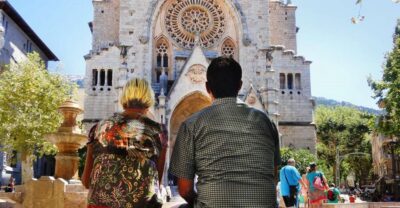
The monastery complex is in Valldemossa, about 20 minutes from Palma, and it’s built for slow movement and quiet attention. Your ticket experience starts right at the entrance on the main square of Valldemossa, so you can arrive, get your bearings fast, and head straight in.

This is planned as an approximately 1-hour visit. That timing matters because the Carthusian site is big on details, but you do not need hours of wandering to feel the main ideas: faith, art, solitude, and the drama of royal and artistic visitors.

I like that the ticket includes a downloadable audio guide app. With headphones in your pocket, you can follow along at your own pace rather than trying to read small labels while people flow around you.

One practical tip: there is free WiFi in Valldemossa, but it’s smart to install the audio guide app before you arrive. You’ll save time and avoid the usual “where’s my signal” scramble at the gate.

You can also read our reviews of more tours and experiences in Mallorca.

Royal Charterhouse and the 1309 palace rooms you’ll want to look at twice

Mallorca: Carthusian Monastery Valldemossa Entrance Ticket - Royal Charterhouse and the 1309 palace rooms you’ll want to look at twice
The heart of the visit is the Royal Charterhouse, the monastery’s royal and monumental side. You’re not just seeing religious space. You’re seeing a complex that became a place of power and patronage long before “tourist” existed.

One of the standout elements for me is the chance to visit the former residence of King Sancho of Majorca, with roots dating back to 1309. Even if you’re not a medieval history buff, you can feel the “this is different” tone in the architecture and layout. It’s the kind of place where walls seem to hold stories without shouting.

As you move through the palace-related areas, look at how the monastery’s design supports both display and restraint. The Carthusian ideal wasn’t about nonstop public life, yet the royal connection brought a different kind of audience into the mix.

This is also where you’ll start noticing how your visit is balanced. You get architecture and sacred space, but you also get collections, artifacts, and rooms that explain how art and daily life connected here.

The church, Bayeu frescoes, and the emotional weight of religious art

Mallorca: Carthusian Monastery Valldemossa Entrance Ticket - The church, Bayeu frescoes, and the emotional weight of religious art
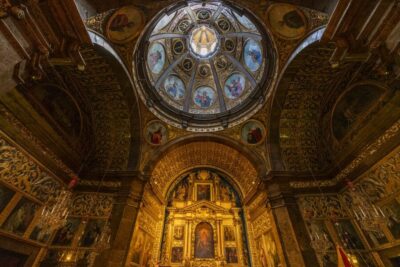
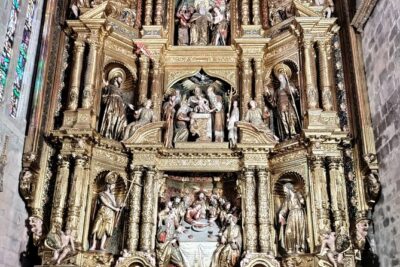
After the palace side, you’ll reach the church, and this is where the monastery shifts gears. The church includes frescoes by Bayeu, noted here as Goya’s brother-in-law. That link gives you a helpful lens, because you can think of the frescoes not as random decoration, but as part of a wider Spanish art world.

Frescoes are the kind of art that rewards close looking, but the trick is not to get overwhelmed by scale. In a one-hour ticket visit, you want to focus on the fresco areas that the audio guide points out, so you understand what you’re seeing while you’re still standing in front of it.

I also like how this stop changes the mood. The monastery isn’t only about beauty. It’s about silence as a designed feature, and the church helps you feel why the rest of the complex works the way it does.

The corridor of white arches, monk cells, and why solitude was the design

Then comes one of the most memorable parts of the visit: the long corridor with white arches leading to different cells. This corridor connects you to the monastery’s daily reality. For about 400 years, monks used these cells to find peace and rest.

Even if you only catch glimpses of individual cells, the corridor layout does the job. It shows you the logic of separation: a path that guides you forward, openings that hint at private life, and a rhythm that feels more controlled than “tourist routes” usually do.

This is the stop where you should slow down and listen to the audio guide. The guide helps translate what you’re looking at into a human story, not just a set of rooms. Put your phone brightness down, press play, and let the space do its work.

A small watch-out

If you want every related museum-like room tied to famous names, plan for the possibility of extra costs. One entry you might see mentioned is the room associated with Chopin living with Sand, and there can also be a museum area that may require separate payment beyond this ticket. If those are your top priorities, it’s worth checking what’s included versus what’s separate before you go.

Gardens and terraces with valley views, plus the payoff of stepping outside

After the interior spaces, you’ll get to the gardens and terraces, and that’s not filler. It’s part of the monastery’s overall design for calm. Gardens give you light, air, and a break from enclosed corridors, and the terraces deliver one of the most spectacular viewpoints over the Valldemossa valley.

This is where you’ll appreciate why the monastery was built here. Even with the art and the architecture, the setting is a core character. You’ll likely end up pausing longer than you expected, because the view makes you stop thinking in “ticket time.”

I recommend using this moment strategically. Take a few photos if you want, but more importantly, reset your pace. Save the remaining indoor collections for a time when your eyes need focus again, not when they’re still full of sky and distance.

Old pharmacy, ancestral medicines, and famous Cell No. 2

One reason this ticket feels more complete than many “monastery-only” visits is that it includes the old pharmacy. You’ll see ancestral utensils and medicines, which adds a practical, human layer. It’s a reminder that religious life also meant care for bodies, not just ideas.

Next, you’ll encounter the famous Cell No. 2. A named cell is useful because it helps you anchor your attention. Instead of trying to understand every single space equally, Cell No. 2 gives you a focal point that can make the whole corridor section click.

If you’re the type who loves context, listen carefully here. The audio guide is set up to connect the cell experience to the monastery’s broader purpose: rest, quiet, and discipline.

Also, headphones are a big deal in this area. It can get busy in waves, and the sound from the guide helps you stay in your own headspace.

Art collections, the 16th-century printing press, and Archduke Ludwig Salvator’s Mallorca story

Mallorca: Carthusian Monastery Valldemossa Entrance Ticket - Art collections, the 16th-century printing press, and Archduke Ludwig Salvator’s Mallorca story
The monastery doesn’t treat art as an afterthought. You’ll see collections of artworks and artifacts, including paintings that show how artists were inspired by the location.

A specific name to watch for is Joan Fuster, included among renowned Spanish and local painters featured in the collections. If you know his work, you’ll recognize the connection faster. If you don’t, the audio guide should help you spot why his presence matters for local artistic identity.

Another highlight is the 16th-century printing press and a woodcut collection. This stop changes your mental timeline. You’re not just learning what people painted here. You’re seeing how ideas traveled and how print culture worked in the 1500s.

Then comes a fascinating royal detour: the collection connected to Archduke Ludwig Salvator of Austria, described as a cousin of Empress Sissi. He came to Mallorca by steamship, fell in love with the area, and this part of the museum collection reflects that personal attraction.

If you like travel stories that connect places to people, this is a good moment. It gives Valldemossa a “why here?” answer that isn’t only about religion.

The included 15-minute piano recital, and how the audio guide turns rooms into meaning

Mallorca: Carthusian Monastery Valldemossa Entrance Ticket - The included 15-minute piano recital, and how the audio guide turns rooms into meaning
One of the most praised elements of this experience is the 15-minute piano recital, included during your visit. It’s a short slot, so you shouldn’t expect a full concert night. But that’s actually why it works. It adds emotion and atmosphere without stealing your time from the rest of the complex.

When the recital is scheduled, it can also reset your attention. After corridors and art rooms, live music sounds like part of the monastery’s original purpose. It’s not entertainment tacked on for marketing. It fits the tone of the place.

Your audio guide app adds another layer. It’s available in Catalan, English, French, German, and Spanish, so you can choose the language that helps you follow confidently. That’s especially useful here because the monastery is full of small details, and the guide helps you decide what to notice.

Practical advice that makes a difference:

  • Bring headphones, not just earbuds, if you can.
  • Make sure your smartphone is charged, since you’ll use the app.
  • Download the audio guide app before you arrive when possible, using Valldemossa’s WiFi if you must.

Price and value for a one-hour ticket, plus what might cost extra

Mallorca: Carthusian Monastery Valldemossa Entrance Ticket - Price and value for a one-hour ticket, plus what might cost extra
At about $14 per person, this ticket is fairly priced for a bundled cultural stop on Mallorca. You’re paying for entry to a major site plus a downloadable audio guide and piano recital time.

Value here is about what’s included. Many attractions in Europe sell you the building, then charge again for key rooms or exhibitions. This one tries to do a lot up front, including palace-related areas, the church experience, the corridor and cells focus, gardens and terraces, and several art and artifact collections.

Still, it’s smart to manage expectations. One review example highlighted that you may need to pay separately for the Chopin-linked room when he lived with Sand, plus a museum area. So if Chopin is your main mission, check what your ticket covers versus what’s separate, then decide how deep you want to go.

Also note what’s not included: food and drinks, and no accommodation pickup or drop-off. That’s normal for a monastery ticket, but plan a simple day. If you’re hungry, eat in town first. Then go enjoy the quiet without rushing.

Who should book the Carthusian Monastery of Valldemossa ticket

This is a great fit if you want a balanced visit that mixes architecture, art, and atmosphere in a short time. It works well for couples, independent travelers, and anyone who likes structured experiences but still wants to move at their own pace with an audio guide.

You’ll probably enjoy it most if you care about:

  • Religious sites beyond the obvious, especially the practical side of monastic life
  • Art in a place-specific setting, including Spanish and local painting connections
  • Short cultural performances, like the included piano recital
  • Seeing how famous visitors and artists influenced the area over centuries

If you only want one thing, like the Chopin-related rooms, you may end up paying for add-ons. In that case, you should verify what you get with this ticket before you commit.

Should you book it? My honest verdict

I’d book this ticket if you want a confident, time-efficient way to experience Valldemossa’s Carthusian Monastery without building your day around multiple separate purchases. The combination of royal-linked areas, the corridor-and-cells concept, gardens with a top view, and the included 15-minute piano recital gives you a full spectrum of what makes this monastery special.

If you’re traveling with limited time in Valldemossa, this works particularly well. The one-hour pace keeps you from overthinking your route, and the audio guide helps you enjoy the details even if you did not study beforehand.

If your heart is set on specific Chopin and museum sections that may cost extra, do a quick check before you go. Otherwise, this ticket is a strong value that delivers real atmosphere, not just walls.

FAQ

Where do I meet for the Carthusian Monastery of Valldemossa entrance ticket?

You start at the entrance, directly at the main square of Valldemossa.

How long is the visit?

The visit is about 1 hour, but exact starting times depend on availability.

What is included in the ticket price?

The ticket includes the entrance, a downloadable audio guide app, and piano recitals.

What languages are available for the audio guide?

The audio guide app is available in Catalan, English, French, German, and Spanish.

What should I bring with me?

Bring headphones and a charged smartphone (you’ll use the audio guide app).

Is WiFi available in Valldemossa for downloading the app?

There is free WiFi in Valldemossa, but it’s advisable to install the app before your visit.

Is parking allowed for everyone if I’m driving?

Parking in Valldemossa is for residents only, so you should be prepared for restrictions if you drive in.

Do I need to pay separately for Chopin-related rooms or the museum?

You may have to pay separately for the room connected with Chopin living with Sand, and also for a museum area.

Is free cancellation available?

Yes, you can cancel up to 24 hours in advance for a full refund.

If you want, tell me when you’re visiting Mallorca and whether you’ll have a car. I can suggest a simple timing plan for pairing Valldemossa with Palma or nearby stops.