
REVIEW · PALMA TAPAS, MARKETS & COOKING
Palma: 2.5-Hour Chinatown Market Tour
Follow your nose into Palma’s Chinatown. This 2.5-hour walk turns everyday grocery shopping into a story of Mallorca’s mixed cultures, from the green market to the Pere Garau quarter. I love how the tour blends practical local flavors with real neighborhood life, plus you get short tastings that keep things moving. One thing to consider: at this price point, you’ll want to be comfortable with a pace that includes shop stops and quick bites rather than a long sit-down meal.
My favorite part is the chance to sample snacks that reflect the island’s global mix, including couscous, samosas, empanadas, sushi, enchiladas, and tapas. I also like the market angle, where you learn how locals find good-value produce and why the stalls and sellers keep their regulars coming back. Guides like Eri or Michael (local, friendly, and familiar with the area) are a big reason people rate the experience so highly.
The main drawback is value perception. If you expect a tour that feels like a guided food show, you might find it more like a smart neighborhood walk with tastings and browsing. That can be perfect if you enjoy exploring side streets, and disappointing if you were hoping for more time at fewer stops.
Key things I’d plan around
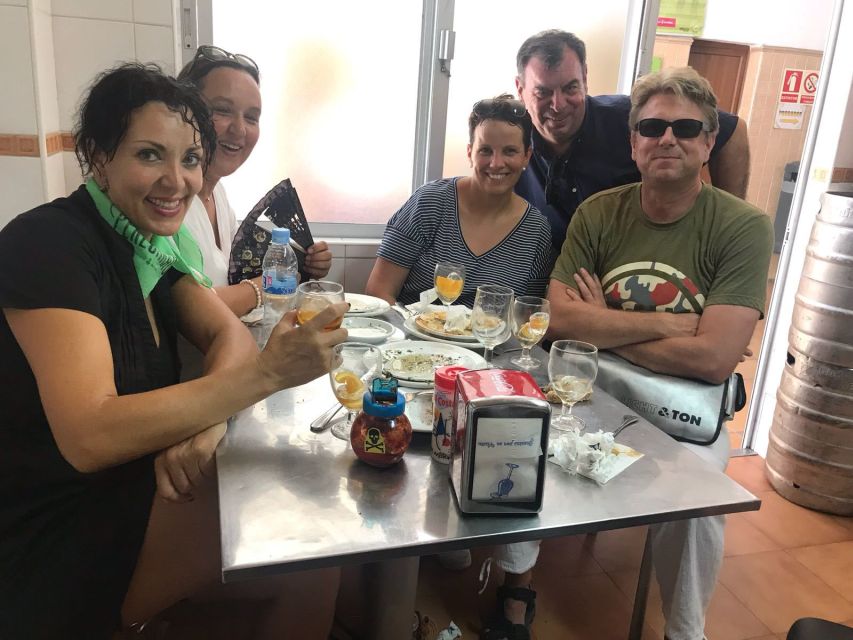
- Small group, max 8 people, so you can ask questions without shouting over a crowd.
- Green market focus on the days Palma locals shop, with attention to fresh products and prices.
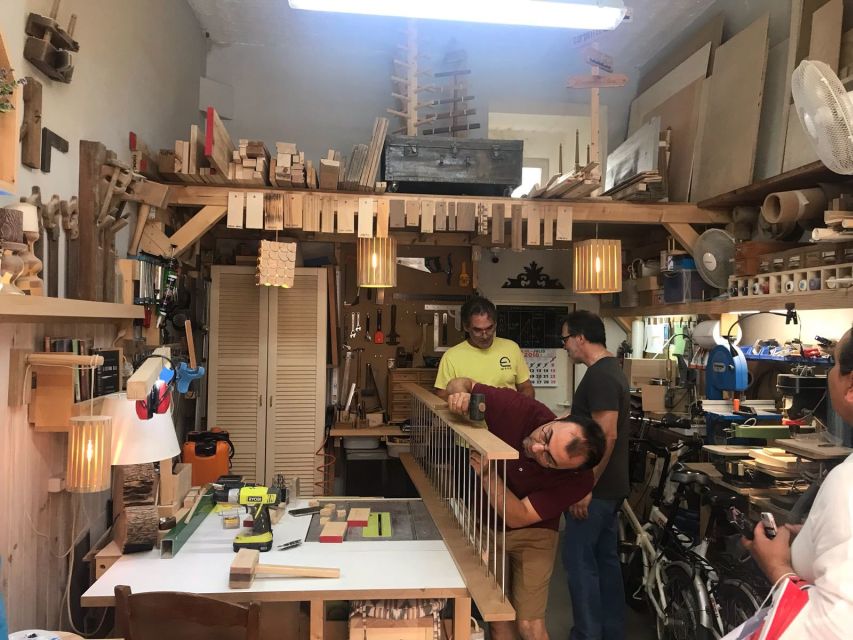
- Pere Garau quarter workshops, including makers and sellers tied to textiles and perfume.
- International snack tastings, where you get a quick sampler of Mallorca’s food melting pot.
- A top Chinese restaurant stop for an authentic meal atmosphere with a mixed crowd.
- Hands-on neighborhood color, including side-street options like sea time and a nearby Cathedral walk.
Entering Palma’s Chinatown, past the tourist map
Palma’s Chinatown does not feel like a theme park. It feels like a working neighborhood where people buy food, trade items, and keep their routines. That matters, because it changes what you notice. Instead of hunting for sights, you start noticing rhythms, shopfront signs, what people carry, and which smells pull you toward the next turn.
This tour is designed for that mindset. You start around Carrer d’Aragó (the meeting point is Shop Cash Converters, Carrer d’Aragó, 40, 07005 Palma) and you finish back near the starting area around TST Consultor de Seguros. Expect a walk where the guide connects what you’re seeing to how people live here, not just what you’re passing.
The group size is kept small, limited to 8 participants. That’s a practical choice. You’ll be able to hear explanations in English, and it’s easier to slow down when you want to look closely at textiles, perfumes, or market details.
Also note the schedule. The tour runs on Thursday and Saturday. If you’re visiting Palma only on other days, you may need to plan around your calendar rather than your curiosity.
You can also read our reviews of more tours and experiences in Mallorca.
The green market: where prices, produce, and people meet
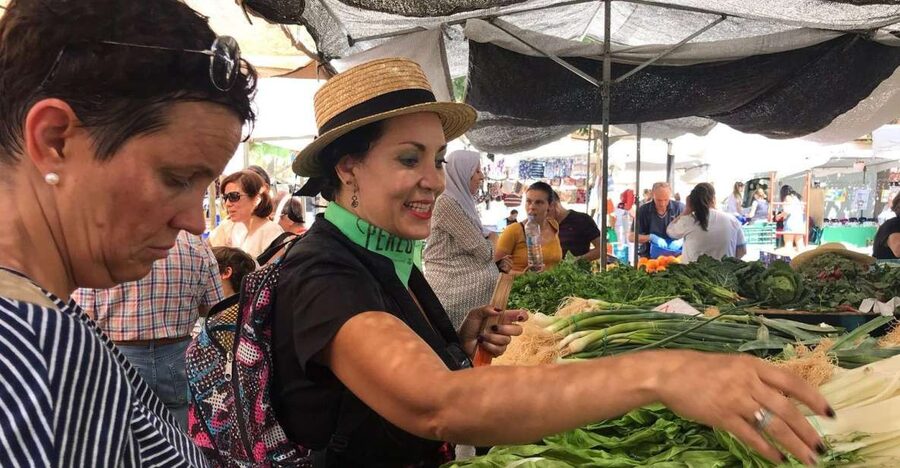
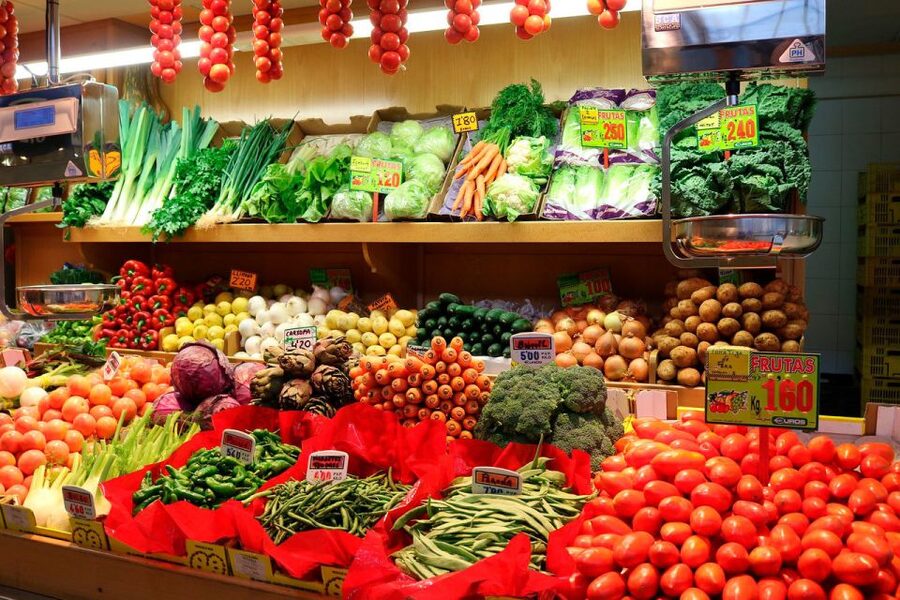
The heart of this experience is Palma’s local green market, plus the surrounding lanes. This is not about taking photos and moving on. It’s about learning how locals shop, what makes produce worth buying, and when stalls and sellers feel most alive.
Here’s what you’ll likely love if you like markets: the market is described as active every other day. That tells you the guide is steering you toward the moments when the district feels most lived-in. You’re not just “seeing a market,” you’re seeing a market in full social mode, with sellers, families, and regular customers.
You’ll also be learning the “food math” behind better buys. The tour is specifically framed around finding the best prices for fresh products. That’s valuable because it turns the market into a practical tool you can use after the tour. Once you understand how locals approach timing and vendor selection, you’ll shop smarter on your own later.
And yes, the market is also where the tour’s food sampling starts to make sense. You’ll see the ingredients that power global dishes, and then you’ll taste small portions that reflect what people actually eat in Palma’s diverse pockets. This is how you go from curiosity to confidence.
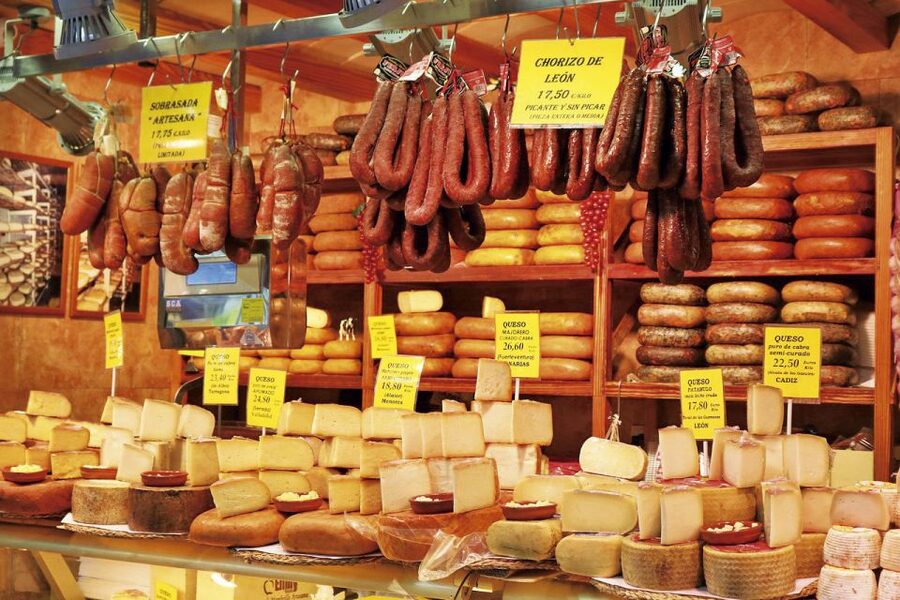
If you’re the type who can spend 45 minutes comparing olives, tomatoes, and cheese without getting bored, this portion will feel like it was built for you.
Pere Garau: crafts, textiles, perfume, and working workshops
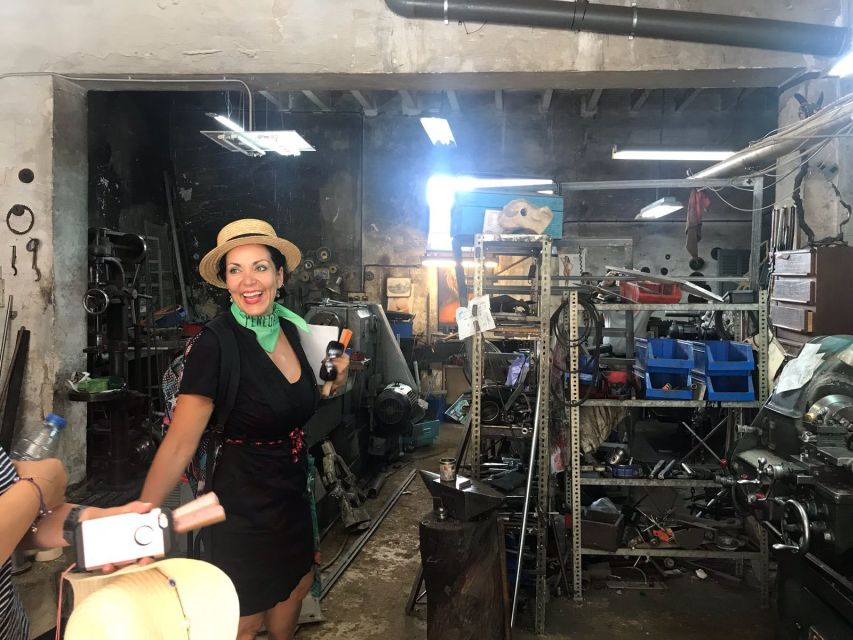
After the market, the route shifts into the Pere Garau quarter. This is where you get a different angle on “Chinatown.” Instead of a single food lane, you’re walking through a place with craftspeople, merchants, and working spaces.
The tour describes many craftsmen with workshops in Pere Garau. You may also see merchants selling textiles and perfume. Even if you’re not shopping hard, the point is understanding the economy of the district. These are not only storefronts. They’re tied to skills and ongoing work.
In practical terms, that means the guide can point out what you’re looking at beyond the obvious. For example, a textile shop tells you something about trade and the kinds of goods people want close to home. A perfume merchant tells you something about what locals treat as daily life, not special occasion.
And because the guide lives in this area and knows it well, you’re not stuck following a generic script. People who live in a neighborhood notice the small patterns tourists often miss, like which streets feel more local at certain hours, or which businesses feel connected to the wider district rather than catering only to passers-by.
The tasting list: global snacks in a local rhythm
This tour includes tastings of local and international snacks. That’s one of the best ways to judge the experience. A market tour can become repetitive if it only points and talks. Here, the tastings keep you grounded.
The tour description lists a wide spread of foods you might encounter across stops. You may taste couscous, samosas, empanadas, sushi, enchiladas, and tapas. That list is a hint about how the guide frames Palma, as an island where different nationalities and cuisines exist side by side.
You should also know what’s included and what’s not. The tour includes tastings, but it does not include meals and additional snacks. So if you’re hungry for a full lunch after the tour, you’ll still need your own food budget. The good news is the tastings are meant to give you a real feel for the flavors here, not just a token bite.
If you like variety, you’ll appreciate that the sampling isn’t just one cuisine. It’s structured to show you the neighborhood’s mix. And because it’s a short tour, you can think of the tastings as a preview platter. Afterward, you’ll know what you want to repeat on your own.
A Chinese restaurant stop, for an authentic atmosphere
One of the standout elements is a stop at one of the best Chinese restaurants with authentic cuisine in the district. The description also notes that the audience is internationally mixed, which matters because it suggests the restaurant isn’t only serving tourists or only serving locals.
What you’re really buying here is atmosphere plus context. A guided visit helps you understand why certain dishes appear in this neighborhood, and how the food ties into daily life rather than being separated as a tourist attraction.
Even if you don’t plan to order much beyond what’s included, having the guide bring you into a real restaurant setting can change how you eat afterward. You’ll likely become more confident ordering, asking for recommendations, and recognizing which dishes suit your taste.
This also keeps the tour from feeling like it’s only about walking and browsing. You get a calmer moment where you can actually taste and listen, which helps the whole district story click.



Side-street surprises: sea time, games, and quick glimpses
Not every part of this tour is a food stop. The route includes details that give the district its edge.
For example, the tour mentions a gambling-den style option, with the chance to explore a bingo game or play roulette. It also mentions the possibility of a refreshing swim in the sea, depending on timing and what the guide includes that day.
You might not expect those elements in a Chinatown market tour. That’s why it feels different. The guide is showing you ordinary life in this part of Palma, including leisure habits that happen here too.
If you’re curious about the neighborhood’s full social range, you’ll enjoy these moments. If you’re hoping for a purely culinary itinerary, think of them as optional flavors of the local scene, not the main course.
One more practical note: the tour covers enough walking that comfortable shoes are non-negotiable. You’ll be moving through market areas and side streets. Bring shoes that you trust for uneven pavement and frequent stops.
The St. Mary Cathedral walk, and why it matters
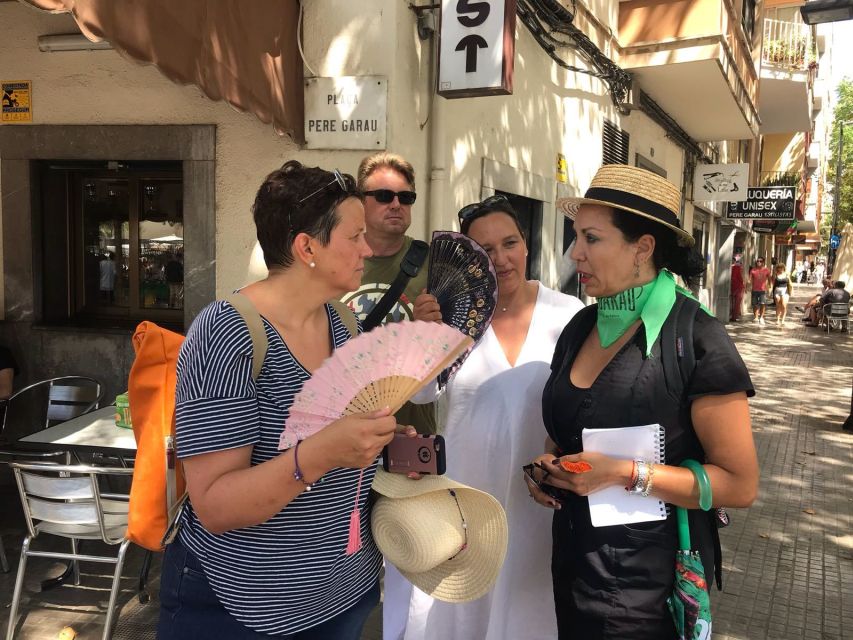
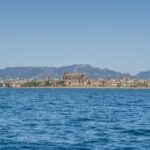
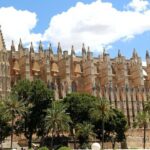
The tour also connects back to a major landmark. It notes that you can stroll down to the Cathedral of St. Mary, roughly a 15-minute walk from the area.
This isn’t included as a full “sightseeing tour” in the way big-brand tours do it. It’s more like a useful reset. When you’ve spent time in the market lanes and workshop streets, it’s nice to shift your focus to a broader viewpoint and see how the district sits inside the larger city.
Even if the cathedral is familiar from photos, seeing it in context helps. It frames the neighborhood as part of Palma, not a separate world you visit for an afternoon.
Price and value: what you’re paying for
At $100 per person, you should judge value based on what the tour delivers, not just the concept. Here’s what you get that supports the price:
- A small group cap of 8 people
- A live guide who leads in English
- Tastings of local and international snacks
- Time spent in two key areas, the green market and Pere Garau
- Guided context around crafts, textiles, perfume shops, and a well-regarded Chinese restaurant
- A guide who lives in the neighborhood, meaning the route likely benefits from local knowledge
That can be great value if you want guidance in a place that would be hard to navigate without local context. Markets and workshop quarters reward people who ask questions, and small groups make that easier.
Now the honest consideration: one negative account criticized price-performance and described the tour as largely walking through shops and the market while only showing the assortment. That critique is worth taking seriously, because it points to a common mismatch. If you hate browsing and you want fewer stops with more food, this might feel long on walking and short on “wow” content.
My advice is simple. If you’re excited by the idea of learning how locals shop and eat, and you like tastings plus side streets, you’ll probably feel the value. If you need a heavy-food program or a very structured menu of meals, you may want to compare against other food tours in Palma.
What the guides are like, and why it shows
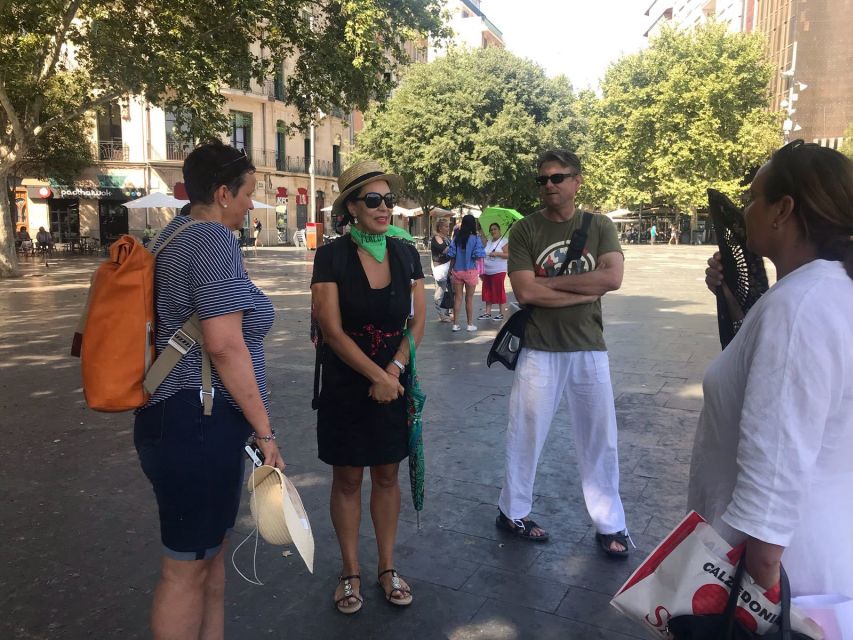
A big part of why this tour earns such a strong rating is the guide experience. The tour is led by locals familiar with the area and the route, and in past sessions you may meet Eri or Michael.
From the information you have here, you can expect something practical: the guide speaks multiple languages, including German, Spanish, English, and Italian. That matters even if you book in English, because it usually indicates the guide can handle varied group needs and explain clearly.
Also, guides are described as living in this neighborhood, which is a quiet advantage. They’re not just passing through to run a route. They can answer questions like: why certain shops stock what they stock, why the market timing matters, and how Pere Garau works as a working area.
Who should book this Palma Chinatown market tour
This is a great match if you:
- Love markets and want price, produce, and shopping habits explained
- Enjoy a neighborhood walk more than a museum-style checklist
- Want tastings that reflect Mallorca’s mix of nationalities
- Prefer small-group tours where you can actually ask questions
- Are curious about more than one cuisine, since the snack list spans multiple influences
It may be less ideal if you:
- Expect a full meal included in the price
- Want a slow pace focused on fewer stops
- Feel uncomfortable with a route that includes gambling-den style sightseeing or sea options
And one strict note: the tour is not suitable for wheelchair users, and pets and luggage or large bags are not allowed.
Should you book? My decision checklist
If you want a smart introduction to Palma’s local food life, I’d book this tour, especially if you’re traveling on Thursday or Saturday. The structure is built for learning, not just eating: market shopping logic, Pere Garau crafts and merchants, snack tastings, and a real restaurant stop that connects to the neighborhood’s everyday mix.
Before you decide, ask yourself one question: do you enjoy walking, asking questions, and sampling many small bites more than sitting down for one big meal? If yes, you’ll likely have a memorable time.
If you prefer only food, only restaurants, and a tighter itinerary with more food per stop, you might feel the price more sharply. In that case, compare against tours that include more substantial meals.
FAQ
FAQ
Where is the meeting point for the tour?
You meet at Shop Cash Converters on Carrer d’Aragó, 40, 07005 Palma, Illes Balears.
Which days does the Palma Chinatown market tour run?
The tour takes place on Thursday and Saturday.
How long is the tour?
It is described as a 2.5-hour guided walk, and the duration is also listed as 2 hours. Plan for about two to two and a half hours.
What languages does the guide speak?
The tour is offered with an English live guide, and the guide speaks German, Spanish, English, and Italian.
How many people are in the group?
The group is small, limited to 8 participants.
What’s included in the price, and what isn’t?
Included is the guided tour and tasting of local and international snacks. Not included are meals and additional snacks, plus personal expenses.
Is the tour wheelchair-friendly, and can I bring pets or luggage?
It is not suitable for wheelchair users. Pets are not allowed, and luggage or large bags are not allowed.
More Tour Reviews in Mallorca
Not for you? Here's more nearby things to do in Mallorca we have reviewed



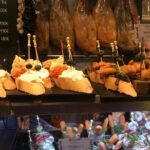

Palma Tapas, Markets & Cooking, compared.
 ★ 5.0Luxury Catamaran sailing with welcome Drinks Tapas Max10-12PersonFrom $1191,339 reviews
 ★ 5.0Mallorca Catamaran Small Group Cruise with Tapas 4-hoursFrom $131526 reviews
 ★ 5.0Spanish Cooking Experience in MallorcaFrom $157484 reviews
 ★ 4.5Mallorca Beach & Caves 4hr Boat Trip Drinks, Tapas, SUP & SnorkelFrom $104374 reviews
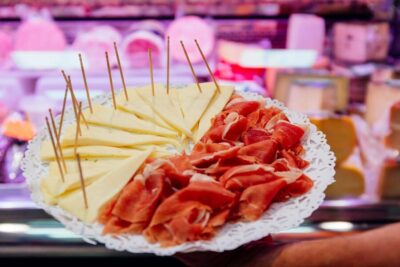 ★ 4.6Foodie Walking Tour of the Old TownFrom $77372 reviews
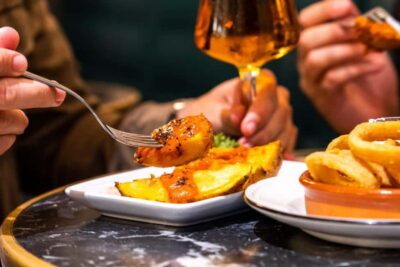 ★ 4.5Gourmet Tapas and Wine TourFrom $63371 reviews
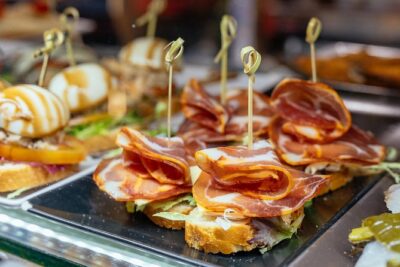 ★ 4.5The Award-Winning PRIVATE Food Tour of Mallorca: The 10 TastingsFrom $146317 reviews
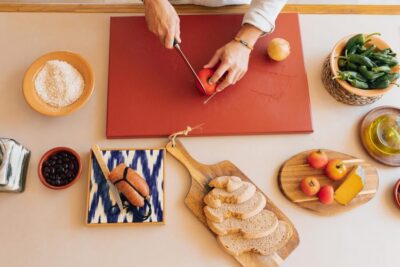 ★ 5.0Spanish Cooking ExperienceFrom $136288 reviews
Browse the lists this tour appears in