
REVIEW · TRAMUNTANA, SóLLER & SA CALOBRA
MUCBO | Jardí Botànic de Sóller – Balearic Museum of Natural Sciences
The Balearics get their own science playground in Sóller. I love that MUCBO combines the island’s Botanical Garden with a natural sciences museum in one ticket, so you see both living plants and the science behind them. If you care about how places stay unique, the Balearic focus makes the visit feel grounded instead of generic.
One thing to plan around is parking and timing. A bad parking day is real, with reports of getting stuck circling for almost an hour, so driving midday can waste your energy. Also, if you visit in hot season, you may find plant condition looks less polished than expected, including water-stress and dead leaves left on paths in at least one June experience.
Key takeaways before you go
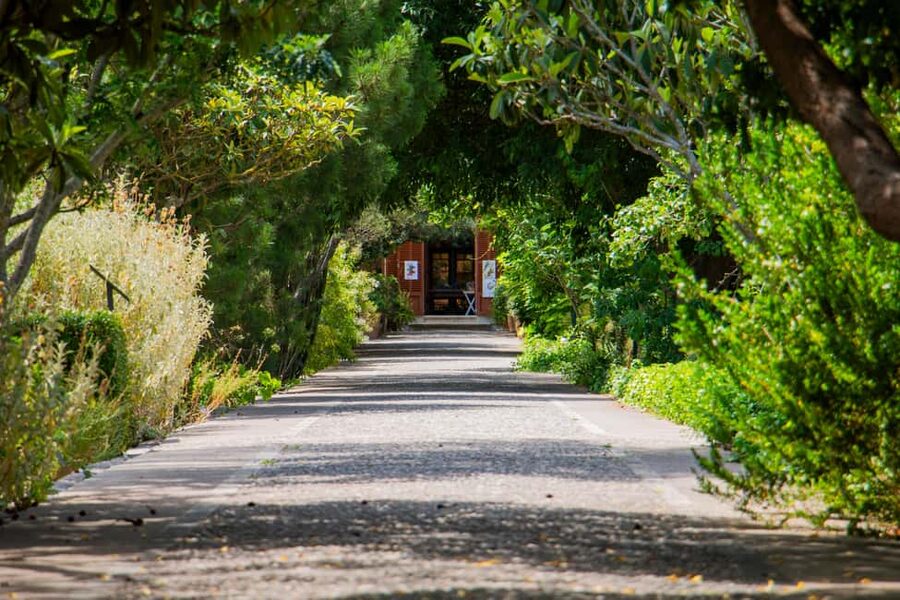
- Only Botanical Garden on Mallorca (MUCBO Jardí Botànic de Sóller): you go for the plant collection in a Balearic setting.
- Only Natural Sciences Museum on the island: geology, paleontology, and today’s biodiversity are all under one roof.
- Two linked sections: museum context makes the garden walk more meaningful.
- Conservation tools you can learn about: herbarium and germplasm bank show how plant species are preserved.
- Timing matters in Sóller: arrive earlier or use public transport if you want to avoid parking headaches.
- A simple, fair deal for one day: general admission gives you both experiences without extra add-ons.
Jardí Botànic de Sóller and MUCBO: the island’s Balearic science focus
MUCBO is the acronym you’ll see tied to the Jardí Botànic de Sóller and the Museu Balear de Ciències Naturals. This is not a theme-park garden, it’s a working institution tied to research, conservation, public education, and environmental learning. With more than 30 years of history, it feels like the kind of place locals rely on for teaching and science outreach.
The “why it matters” part for you is simple. If you’ve spent time hopping around Mallorca’s sights, you might notice lots of places show Mallorca. Here, the emphasis is the Balearic Islands themselves. That means the garden and museum are framed around local nature, and that makes the visit feel more personal and less like a repeat of what you could see anywhere.
Also, it’s structured in two major sections. You’re not stuck choosing between a museum or a garden. You get both, and you can use that to pace yourself like a pro: science first, then plants outside, or the other way around depending on your energy level.
You can also read our reviews of more tours and experiences in Mallorca.


Inside the Natural Sciences Museum: geology, fossils, and current biodiversity
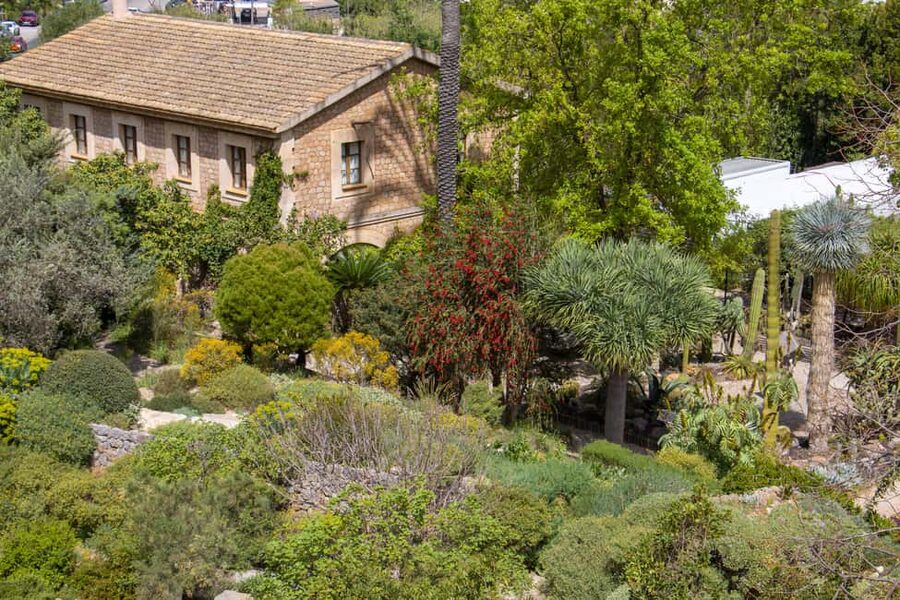
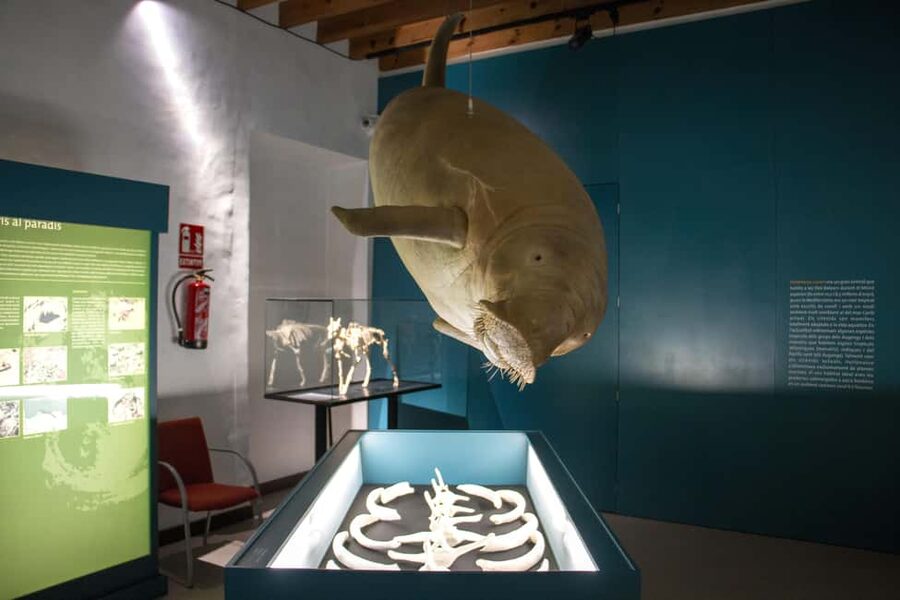
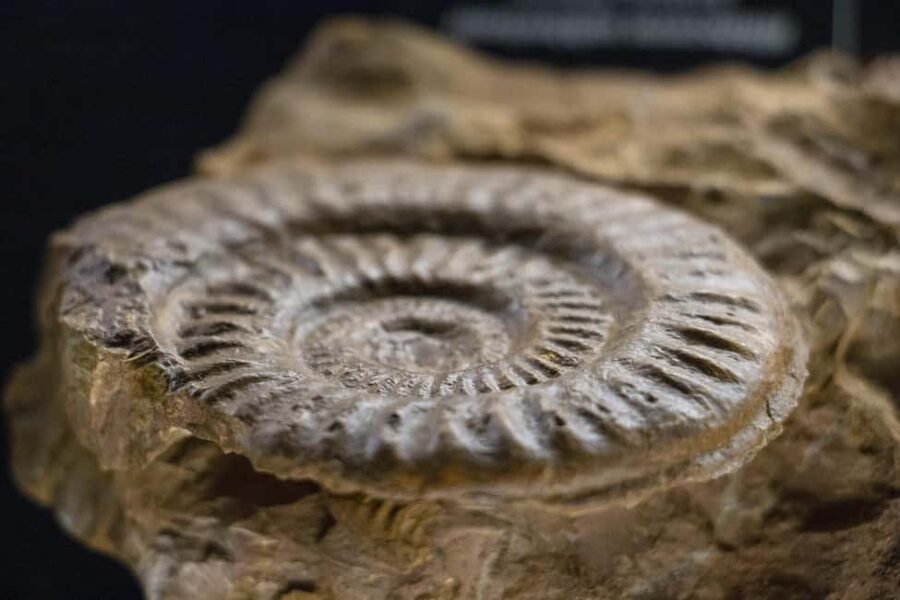
The museum section is built around permanent exhibits that cover three big themes: geology, paleontology, and current biodiversity. Even if you only spend an hour or two, this setup gives you a useful mental map before you walk the grounds.
Here’s the practical value: geology and paleontology explain how the land and life in the Balearics got shaped over long time. Then “current biodiversity” brings it back to what’s alive now. When you do the garden afterward, you’re more likely to notice that plants are not random decorations. They’re part of a system that’s tied to climate, soils, and the island’s natural history.
I also like that the museum isn’t treated like a quick ticket-stamp stop. It’s a proper educational space with permanent exhibitions. So if you’re traveling with kids, or you just get a little restless in long garden loops, the museum gives you a change of pace without leaving the natural science theme.
One more detail to keep in mind: some exhibit content may appear in its original language. If your Spanish reads slowly, you can still enjoy the visuals and structure, but go in expecting a bit of reading effort.
Botanical Garden walk: living plants plus the herbarium and germplasm bank
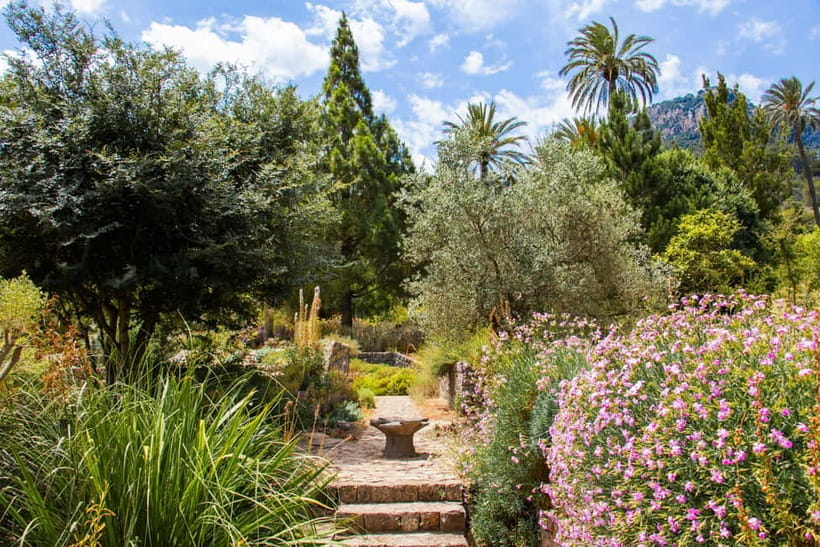
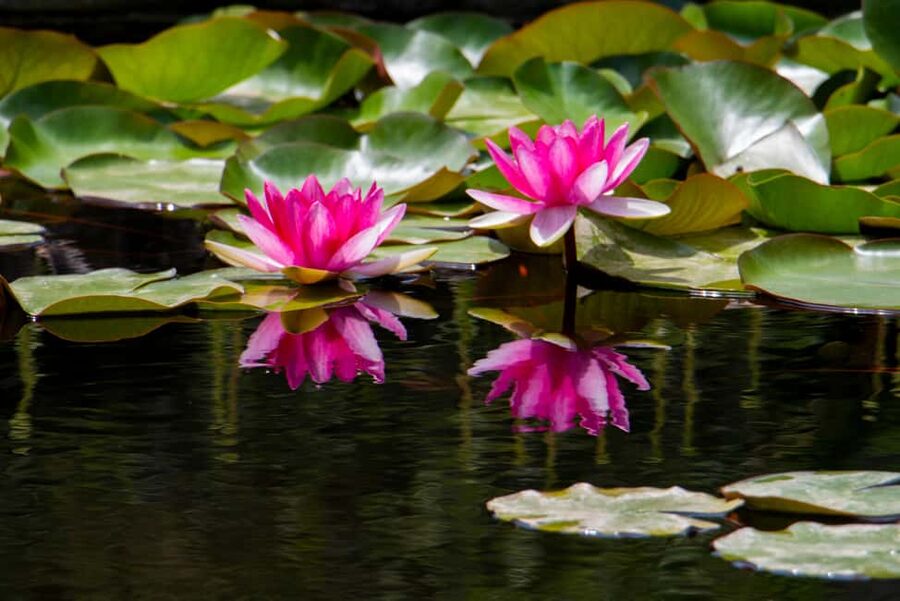
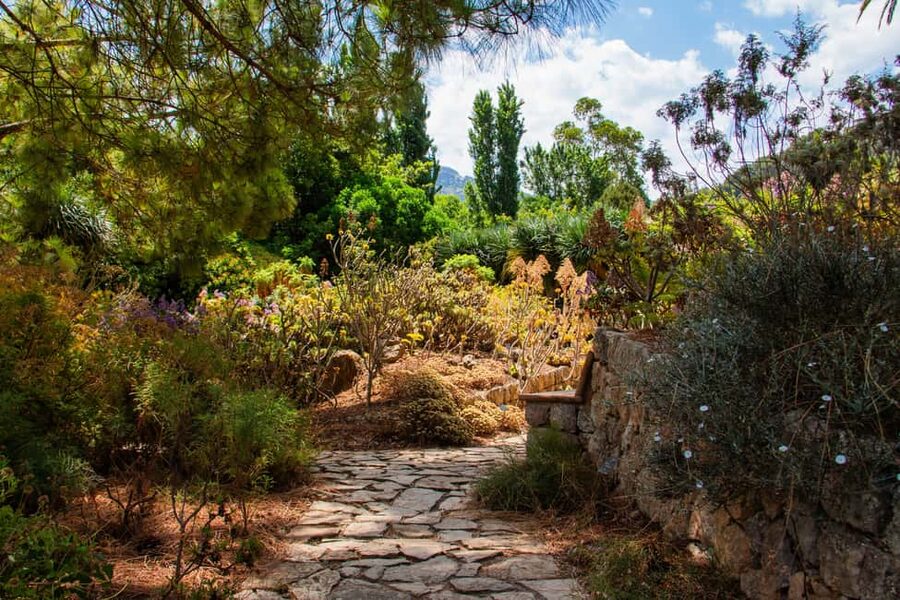
The botanical garden is the living counterpart to what you saw indoors. It includes living plants, a herbarium, and a germplasm bank. That last pair is the “quiet science” part that most casual garden visits skip.
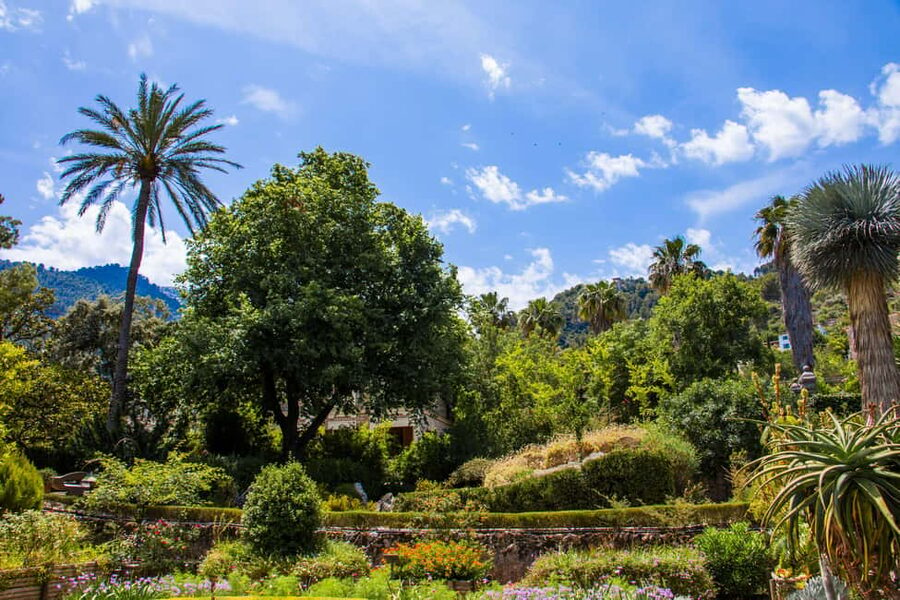
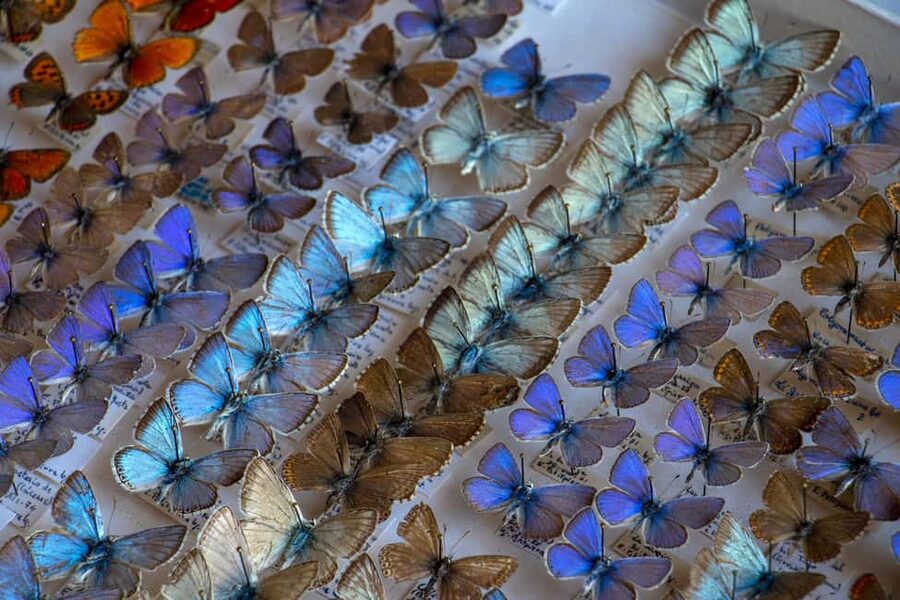
The living plant areas are what you’ll see first: a walk through plant displays where you can take your time looking at forms, leaf textures, and how plants are arranged in the garden setting. Then, the herbarium gives you a different lens. Instead of fresh plants, you see preserved specimens. That’s a neat contrast because it shows how science tracks plants even when seasons change.
The germplasm bank is the bigger conservation idea. Germplasm is basically genetic material preserved for the future. So you’re not only looking at plants, you’re learning how institutions protect options for the long term. For you, that means the garden feels more useful than just pretty. You’re seeing an example of how conservation works in real life.
Just temper expectations if you’re visiting during dry months. A June experience described many plants as water-stressed, with dead leaves on paths and some plant parts not cut back. That doesn’t mean the garden is always like that, but it is a good reminder that botanic maintenance can look different depending on season and conditions. If you want a garden that looks picture-perfect every day, try to visit earlier in the day and plan for the possibility that the plants might look a little stressed in heat.
Timing in Sóller: parking stress and why your arrival time matters
The biggest real-world lesson for this visit is timing, especially if you drive. One experience described trying to park and failing, with about 45 minutes spent circling while cars kept arriving. The takeaway for you is obvious: midday can be a parking trap.
So I’d plan one of these strategies:
- Arrive close to opening time, when the situation is more manageable.
- Use public transport if that’s an option for you.
If you do show up later, build in time for a slower parking search, and don’t treat it like a quick drop-in. This is a one-day plan, so protecting your time is part of getting value out of the ticket.
Heat is another reason to think about timing. A June visit report described drought-like stress in parts of the plant collection. Even if your day is sunny and beautiful, your eyes can tell you how plants are handling conditions. If the garden looks slightly rough in summer, that might be seasonal reality rather than something you can control.
How to get the most from a self-paced science day
You’re paying for general admission, which is great because you can shape the day around your own interests. With both the museum and the botanical garden included, you can build a route that matches your mood.
Here’s a simple approach that works well for most people:
1) Start at the museum so you understand the big story lines. When you later look at plants, you’ll remember the geology and paleontology themes.
2) Then shift outside for living plants. Use the museum context to spot the relationship between place and biology.
If you prefer the outdoors first, flip it. Look at the garden display and ask yourself what kind of environment these plants might prefer. Then go into the museum to connect the dots.
A few practical tips for your visit:
- Bring a little patience. This is science and conservation education, not just photo stops.
- Expect some reading in the original language. If you’re not fluent, focus on the structure and the visuals.
- Take breaks. The garden is a walk, so pace it.
Also, the institution runs workshops, conferences, and school visits on natural science topics in the Balearics. Those events can change the vibe of the place. Even without a formal program, it’s a good sign that the site has an active education role, not just a static display.





Price and value: what $11 buys you in two different worlds
The price is listed at $11 per person for general admission, and that’s a big part of the value. You’re getting access to both the botanical garden and the natural sciences museum. For a one-day outing in Mallorca’s Balearic context, that’s the kind of deal that works when you want one focused stop instead of hopping between several unrelated attractions.
Why this feels like value, not just cheapness:
- You get two learning environments: indoor science exhibits and outdoor living plant collections.
- You’re not limited to one style of experience. If you tire of walking, the museum is right there.
- The conservation angle, through herbarium and germplasm bank, adds meaning beyond sightseeing.
So if you’re deciding between several “nice but similar” places, MUCBO is different because it’s built as a science institution. The ticket covers the core experience without you needing extra add-ons.
One more practical note: it’s wheelchair accessible, so the site is built for different mobility needs. That matters if you’re traveling with someone who needs a flatter, easier route.
Who should book MUCBO, and who may want a different plan
This is a strong fit if you like:
- Natural history and science explanations, even at your own pace.
- A Balearic-specific perspective, not a generic Mediterranean nature stop.
- A single, focused outing that mixes museum and garden.
It may be less satisfying if you only want immaculate gardens with perfect landscaping every day. If that’s your top priority, you should be aware that at least one June visit experience described plant stress and dead leaves left on paths. Conditions can affect how the garden looks, so your expectations should match a living collection rather than a manicured show garden.
It’s also a good option for families, because you can shift between exhibits and walking without leaving the site. The museum’s geology and paleontology themes can work well for kids who like science topics.
And if you hate logistics, remember the parking caution. If you’re driving, arrive early or use public transport when possible. For many people, that’s the difference between a calm science day and a stressful half day.
Should you book MUCBO in Sóller?
Yes, if you want a one-day natural history stop that’s genuinely focused on the Balearic Islands and you like the idea of connecting museum science to a living plant collection. The $11 general admission price is reasonable because you’re getting both sections, and the herbarium plus germplasm bank angle makes it more than just strolling.
I’d say skip or postpone if your priority is easy parking at any hour and a consistently pristine garden look in summer. If you’re flexible on arrival time and you’re okay with some seasonal variation in plant condition, you’ll likely feel like you got your money’s worth.
FAQ
Where is MUCBO in Mallorca?
It’s in Sóller, on the Balearic Islands (Spain).
How much does it cost?
The price is listed as $11 per person.
How long does the visit take?
The experience is listed as 1 day.
What’s included with the ticket?
Your ticket includes general admission to both the Botanical Garden and the Science Museum.
What are the two main sections of the visit?
The institution has the Balearic Museum of Natural Sciences and the Botanical Garden of Sóller.
What does the museum section cover?
The museum has permanent exhibitions of geology, paleontology, and current biodiversity.
What does the botanical garden section include?
The botanical garden includes living plants, plus a herbarium and a germplasm bank.
Is MUCBO wheelchair accessible?
Yes, it is wheelchair accessible.
Is there free cancellation?
Yes, you can cancel up to 24 hours in advance for a full refund.
Will I need to deal with multiple languages?
Some content may be shown in its original language.
More Tour Reviews in Mallorca
Not for you? Here's more nearby things to do in Mallorca we have reviewed





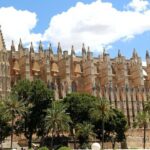

Tramuntana, Sóller & Sa Calobra, compared.
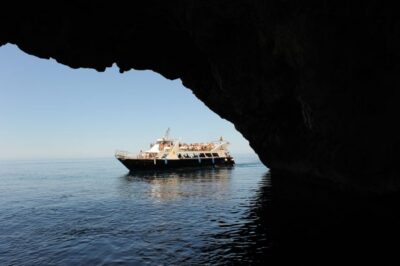 ★ 4.4Sóller: Boat Trip to Sa Calobra and Torrent de PareisFrom $40690 reviews
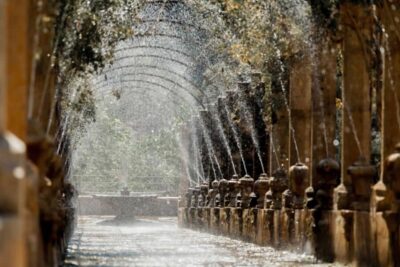 ★ 4.7Sóller: Jardines de Alfabia Entrance TicketFrom $11505 reviews
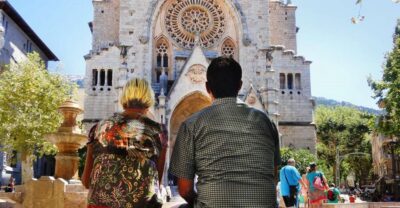 ★ 4.7Alcudia/Marratxi: Valldemossa & Soller Tour by Tram & BusFrom $58499 reviews
 ★ 5.0Mallorca Full-Day VIP Tour: Valldemossa, Deià & Sóller ExperienceFrom $114270 reviews
 ★ 4.9Tramuntana Full-Day Tour with Sóller Train and LunchFrom $230213 reviews
 ★ 4.5Valldemosa and Valley of Soller Tour in MallorcaFrom $59192 reviews
 ★ 4.6Day Trip to Hidden Gems of Tramuntana with LunchFrom $147111 reviews
 ★ 4.5From Palma: Serra Tramuntana and Lluc Monastery Guided TourFrom $118111 reviews
Browse the lists this tour appears in