
REVIEW · PALMA TAPAS, MARKETS & COOKING
Mallorca: Market Visit and Traditional Cooking Workshop
Food lessons in Palma start at the market. This half-day class strings together a Mercat de L’Olivar market walk and cooking at Forn de la Llotgeta, using family-style Mallorca methods tied to the island’s food calendar. I like that the food is built around seasonality and local producers, and I like the small group size that keeps the pace friendly and questions actually get answered. One note: the market tastings can be small, so the real payoff is the hands-on cooking and full lunch that comes right after.
You’ll meet in central Palma, then head into the stalls to pick ingredients with a guide who explains what you’re seeing and why it matters on the island. After the market, you cook in a welcoming studio setting, following a guided flow from aperitif to dessert, and you eat the results as a proper 4-course meal with wine.
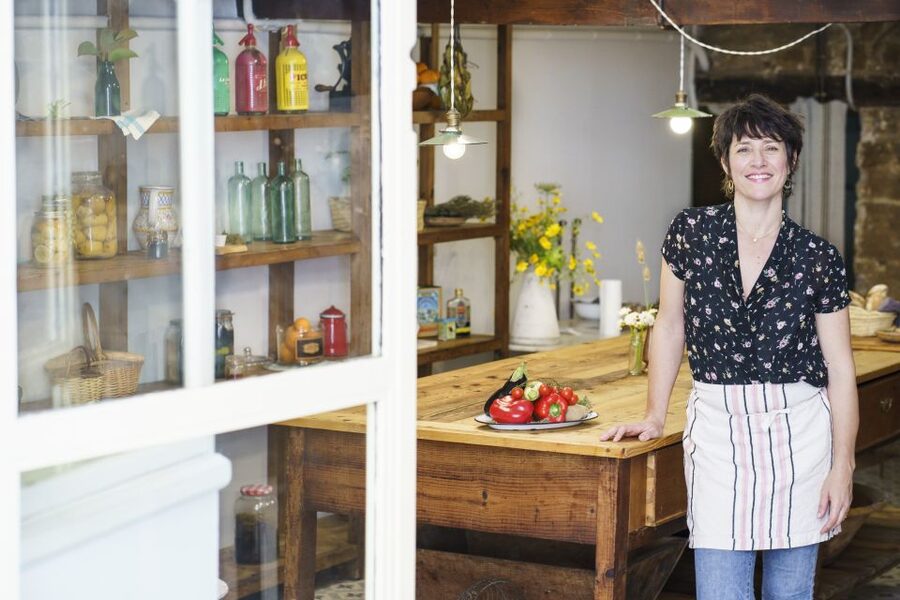
The class also shifts with the season, and the instructor, Deborah, tends to connect the recipes to everyday Mallorca life, not just instructions. It’s a great fit if you want seasonal Mallorcan cuisine in a practical format, not a food lecture.
Key things to know before you go
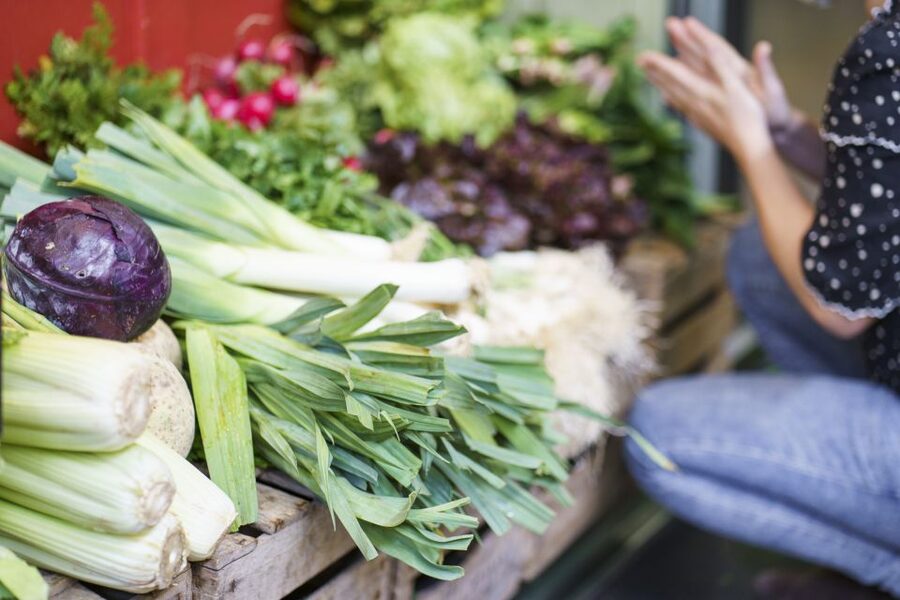
- Mercat de L’Olivar first, then the kitchen: about 1 hour of ingredient hunting and tastings before you start cooking
- Family recipes, guided hands-on cooking: you’re not just watching, you’re making each course
- Clay-pot tradition: expect a classic rice dish finished using a greixonera (clay pot) style approach
- A full 4-course lunch: starter, main, dessert, plus an aperitif, all paired with wine
- Small groups for a real conversation: up to 8 people, with private options from 2 to 15 when available
Why this Palma market-and-cooking combo is worth your time
Mallorca food is not complicated in theory. The hard part is learning how the island thinks: what’s seasonal, what’s local, and how you build a meal around quality ingredients. This experience does that in a straightforward way. You start where the ingredients are, then move to a working kitchen to turn them into a full menu.
I like that it’s designed as a complete arc. The market portion sets your expectations for flavors and textures, and the cooking portion uses those ingredients in a seasonal menu. You end up leaving with more than a list of dishes, you also get the recipes and materials so you can recreate the cooking back home.
You can also read our reviews of more tours and experiences in Mallorca.
Finding Mercat de L’Olivar, and what the first hour really does
The meeting point is right by Mercat de l’Olivar in Palma, in front of the statue El darrer vestit a l’ampla, on the side of the BBVA bank. That location matters because it puts you in the center of the action before the cooking starts. From there, you’ll walk the market stalls for fruit, fish, and other delicacies, meeting vendors along the way.
This first hour is about building good instincts. A guide helps you understand how Mallorcan cooks choose produce and pantry staples, and how those choices change with the season. You’ll also get a small tasting of local products during the walk, with ham mentioned as an example.
Now, one practical reality: the market tasting is limited. If you’re expecting a long buffet of samples at the price point, you might feel a little underfed at this stage. The fix is simple, show up ready to snack later at your own pace and treat the market as ingredient education, not the main meal.
Forn de la Llotgeta: why a historic bakery-type setting changes the vibe
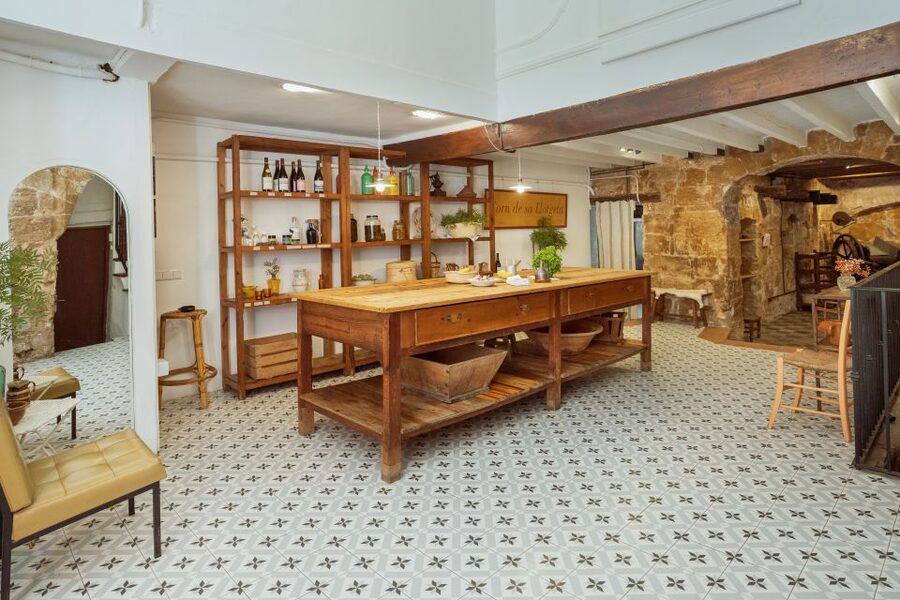
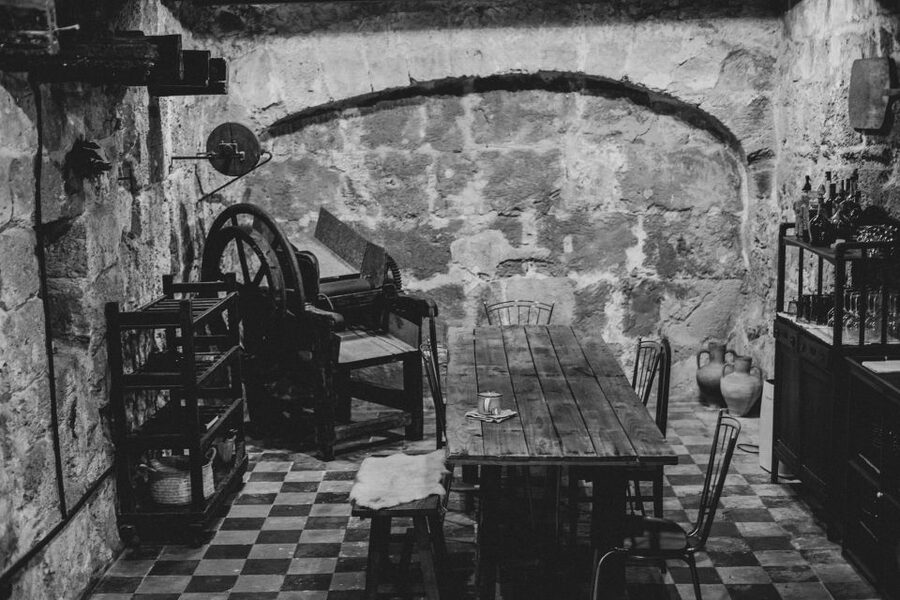
The cooking part happens at Forn de la Llotgeta, an emblematic bakery with roots going back to the 18th century. That kind of setting does more than look nice. It reinforces the idea that Mallorca food culture is built on repetition, craft, and time.
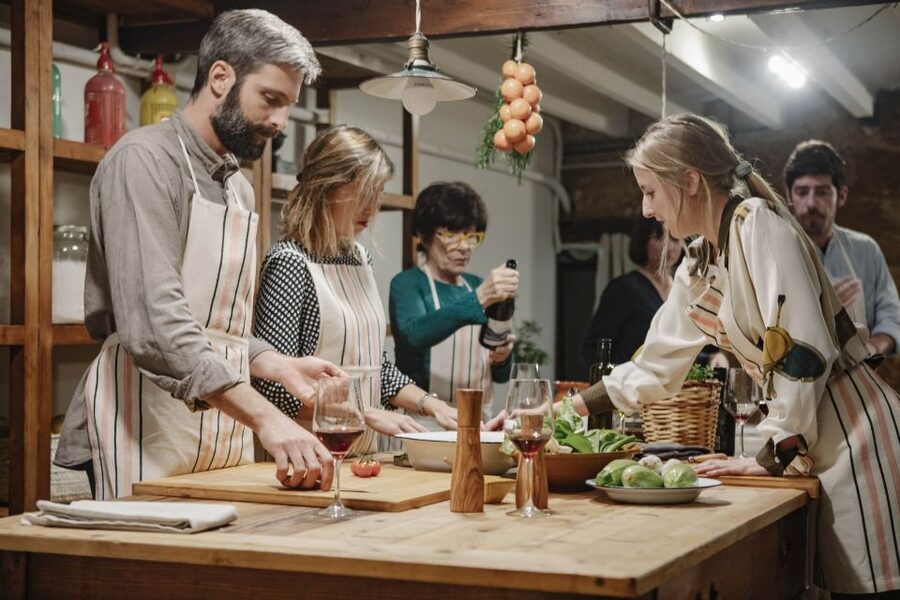
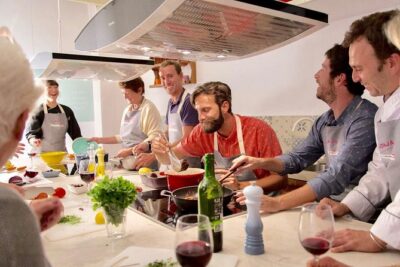
In this format, Deborah leads the class in a way that feels relaxed but focused. The room is set up for real work, meaning chopping, mixing, and assembling happen during the session. And because the menu follows the island’s food calendar, you’re less likely to get a generic “tourist version” of dishes.
The hands-on workflow: aperitif, then starter, main, and dessert
The day runs about 4 hours total, with roughly 1 hour in the market and 3 hours cooking and dining. Once you’re back at the studio, the class starts with an aperitif, and the included details mention vermut and banderilla (at evening sessions). Then you move course by course, with guided hands-on help and everyone tasting what they make.
Here’s what the cooking sequence usually looks like based on the menu offered:
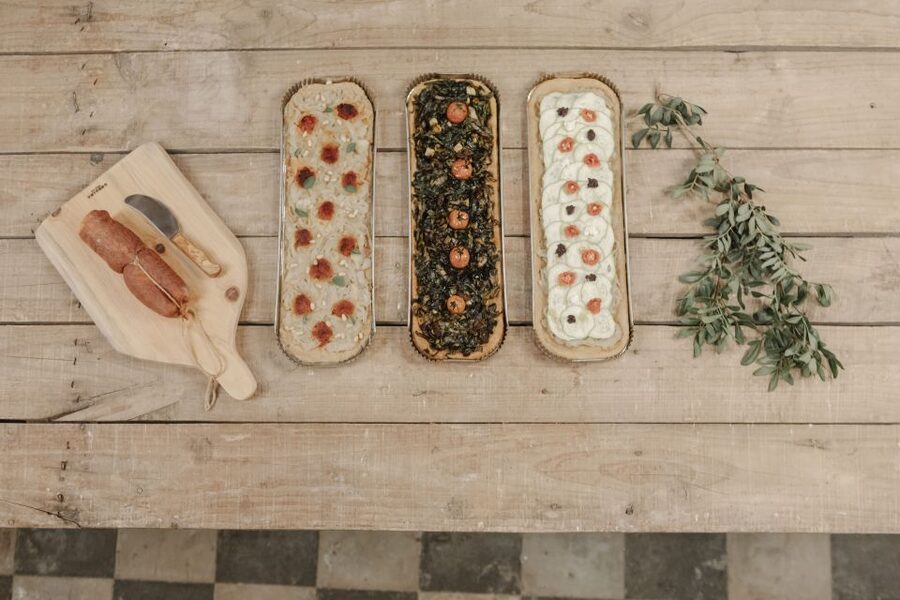
1) Local cold meats and artisan cheeses with grapes and almonds
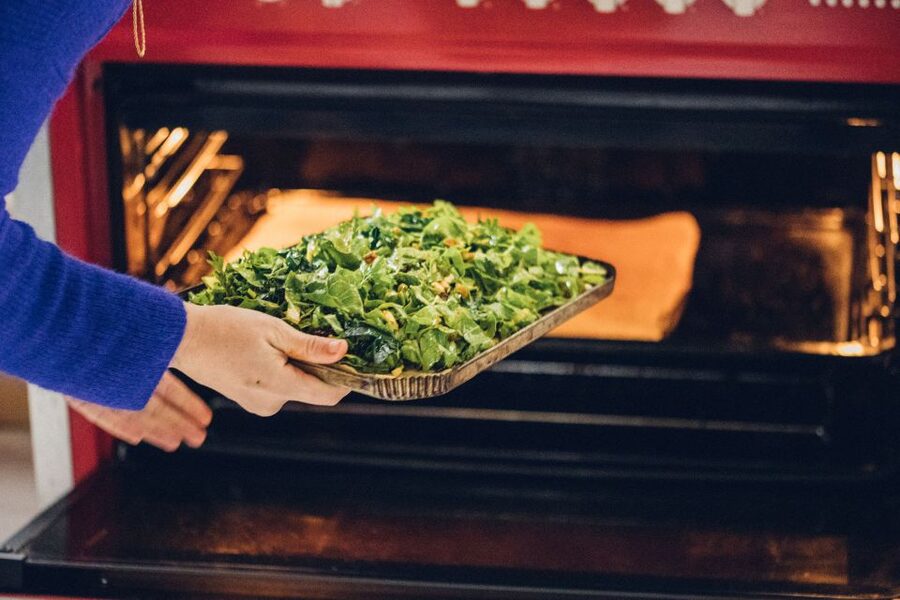
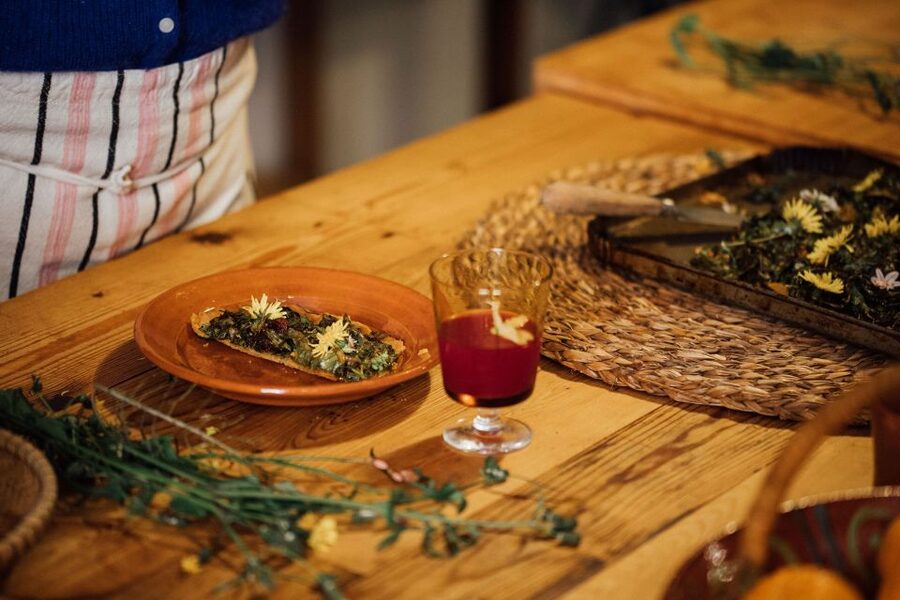
2) Mallorcan flatbread with greens and raisins
3) Artichokes and sobrasada meloso rice cooked in a clay pot (greixonera)
4) Gató, an almond cake, with almond ice cream
You get two wine glasses per person included, with the wine described as organic. You also get all ingredients, materials, and recipes, plus a guided lunch built around your cooking.
What makes the kitchen time enjoyable
The best part is that you learn by doing. You’re working through flavors and techniques you can actually repeat. That includes the Mediterranean logic of balancing salty, herbal, and nutty notes, not just following a step list.
Also, the class is paced for a small group (max 8). In a crowd, cooking classes can feel like a production line. Here, it’s easier to ask why you’re doing something a certain way, especially when seasonal ingredients are involved.





The menu, translated into real flavor logic
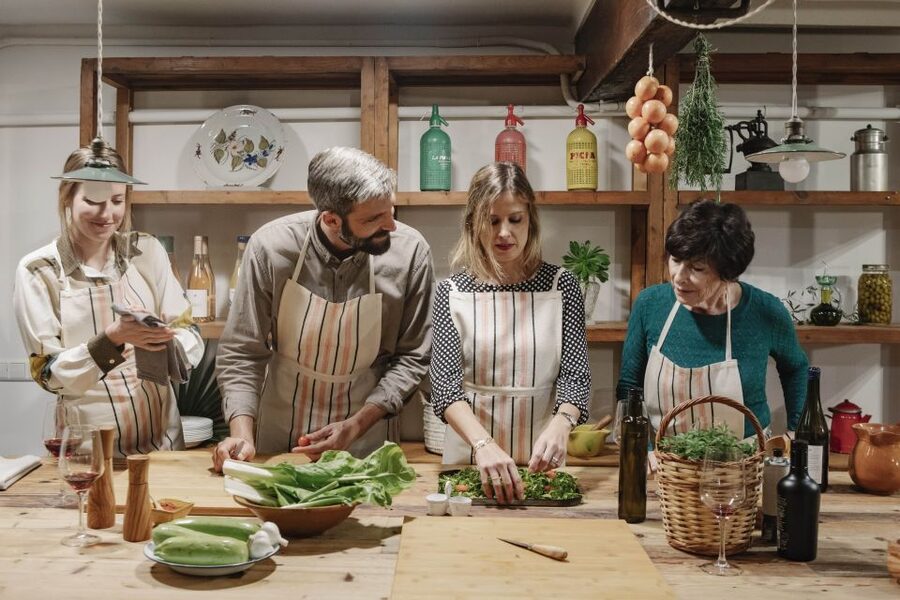
It’s one thing to read dish names. It’s another to understand the roles each ingredient plays. This menu is a classic Mallorca mix: cured and fermented items for depth, olive and herb-like notes for brightness, and almonds for sweetness.
Cold meats, cheeses, grapes, and almonds
This opener teaches you how Mallorca starts meals: not with a bland starter, but with texture and contrast. The combination of local cold meats and artisan cheeses with grapes and almonds gives you salty, creamy, and crunchy in one bite. It’s also a quick way to understand what local producers are proud of.
Mallorcan flatbread with greens and raisins
This is where you see the island’s habit of mixing savory with a little sweetness. Greens bring earthiness, and raisins add a gentle fruit note. It’s a useful lesson if you want to cook Mallorca-style at home, because it shows how small sweetness can make savory dishes feel more complete.
Artichokes and sobrasada meloso rice in a clay pot
This is the showpiece. Sobrasada, a cured sausage made with paprika and pork, brings a smoky, spicy richness. Meloso rice implies a specific, creamy, slow-developed texture. Pair that with artichokes, and you get a main course that tastes like Mallorca comfort food with a sophisticated backbone.
The clay pot approach matters. It supports the slow-cooked, cohesive texture that makes this kind of rice dish feel indulgent without needing extra fuss.
Gató with almond ice cream
Dessert is almond-forward, which fits Mallorca’s strong almond identity. Gató (almond cake) plus almond ice cream keeps the flavor consistent and satisfying. It’s also a reminder that the island’s desserts often build on local nuts and simple ingredients rather than complicated showpieces.
Wine, sustainability, and the values behind the food
The class frames cooking as more than culture for culture’s sake. The description highlights sustainability challenges and a relationship with nature, including values like austerity, harmony with nature, and gratitude. Practically, that shows up in two ways you’ll feel during the meal.
First, ingredients are described as locally and sustainably sourced, with animal protein important to understanding traditional Mallorca food culture. Second, the class can be adjusted: the information says it can easily be made vegetarian or vegan for private groups if you advise in advance.
For most people, the takeaway is simple. You’re not just learning how to cook, you’re learning how a local food calendar shapes what’s on the table and why those choices are practical.
Value check: is $171 for a 4-hour class a good deal?
At $171 per person for about 4 hours, this is not a bargain snack. But it also isn’t a barebones demo.
You get:
- 1 hour market visit with tasting (ham mentioned as an example)
- Hands-on workshop with ingredients, materials, and recipes
- 4-course lunch (aperitif, starter, main, dessert)
- Two wine glasses per person
What that means for value is this: you’re paying for an experience with real labor and real food output. If you were to buy the ingredients yourself plus pay for a guided market walk, a cooking session, and a multi-course lunch, you’d likely spend more. The price also reflects the small group limit (max 8) and the effort involved in sourcing local producers.
Two extra notes that help you decide:
- Additional wine is not included, so pace your drinking if you want to control final cost.
- There’s no hotel pickup or drop-off included, so you’ll want to be comfortable getting to central Palma on your own.
Who should book this Mallorca cooking class in Palma
This class is best for people who want a structured, local-food experience without juggling logistics. You’ll like it if you:
- enjoy markets and want to learn how ingredients are chosen
- want a hands-on cooking result you can repeat later
- like Mediterranean menus with seasonal logic, cured meats, cheeses, almonds, and rice dishes
It may not be the best fit if you:
- want a kid-friendly activity (it says not suitable for children under 12)
- expect a big market sampling event, because the tasting is limited and the main meal comes later
One more sweet point: because the menu changes with seasonal produce, the class in winter differs from other times of year. So if you visit Mallorca again, you won’t feel like you repeated the exact same menu.
Practical tips before you go
A few small things make your experience smoother:
- Wear comfortable shoes. You’ll be walking in the market and moving around while prepping.
- Plan to eat well during the workshop. The market tasting is not the full meal.
- Tell Deborah about dietary needs early. Vegetarian or vegan adjustments are mentioned for private groups, and the team asks you to contact them for severe allergies.
- Bring a mindset shift. This is about seasonal cooking traditions, so part of the value is learning how Mallorca cooks think, not only collecting recipes.
Should you book this Mallorca market and traditional cooking workshop?
If you want a genuinely local Mallorca food experience in Palma, I’d lean yes. The combination of Mercat de l’Olivar ingredient sourcing and hands-on cooking at Forn de la Llotgeta, plus a full 4-course lunch with wine, makes the timing feel efficient and the payoff feels real. The small group size also helps the class stay personal, with room for questions and guidance.
Skip it only if you mainly want a long market food tour, or if you need it to be kid-friendly. Otherwise, for the price, this is a solid way to learn Mallorca cooking techniques you can recreate later, while eating a meal that actually follows the island’s seasons.
FAQ
How long is the experience?
It lasts about 4 hours total, with 1 hour for the market tour and 3 hours for the cooking workshop and meal.
Where do I meet for the market visit?
Meet in front of the statue El darrer vestit a l’ampla, in front of Mercat de l’Olivar, on the side of the BBVA bank.
How big is the group?
It is a small group limited to a maximum of 8 participants.
Is the workshop offered in English?
Yes. Instruction is available in English and Spanish.
What is included in the price?
The price includes the market tour with tasting, ingredients, materials, and recipes, the guided hands-on workshop, a 4-course lunch, and two wine glasses per person.
What is not included?
Hotel pick-up/drop-off, additional wine, and personal gift shopping at the market are not included.
Can the menu be vegetarian or vegan?
The information says the course can be made vegetarian or vegan for private groups. For specific dietary restrictions, you should advise in advance, and for severe food allergies you should contact before booking.
Is it suitable for children?
It is not recommended for kids under 10, and it is listed as not suitable for children under 12. Private groups allow children welcome, but the standard guidance is age-limited.
Is there any wine included?
You get two wine glasses per person included. Additional wine is not included.
What is the cancellation policy?
Free cancellation is available up to 24 hours in advance for a full refund.
More Tour Reviews in Mallorca
Not for you? Here's more nearby things to do in Mallorca we have reviewed


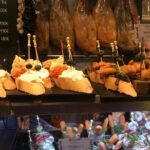
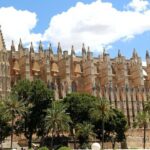

Palma Tapas, Markets & Cooking, compared.
 ★ 5.0Luxury Catamaran sailing with welcome Drinks Tapas Max10-12PersonFrom $1191,339 reviews
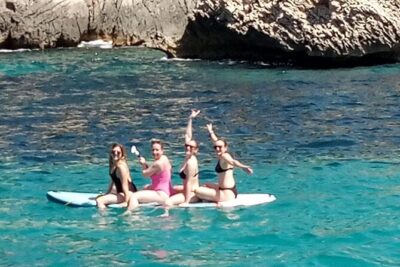 ★ 5.0Mallorca Catamaran Small Group Cruise with Tapas 4-hoursFrom $131526 reviews
 ★ 5.0Spanish Cooking Experience in MallorcaFrom $157484 reviews
 ★ 4.5Mallorca Beach & Caves 4hr Boat Trip Drinks, Tapas, SUP & SnorkelFrom $104374 reviews
 ★ 4.6Foodie Walking Tour of the Old TownFrom $77372 reviews
 ★ 4.5Gourmet Tapas and Wine TourFrom $63371 reviews
 ★ 4.5The Award-Winning PRIVATE Food Tour of Mallorca: The 10 TastingsFrom $146317 reviews
 ★ 5.0Spanish Cooking ExperienceFrom $136288 reviews
Browse the lists this tour appears in