
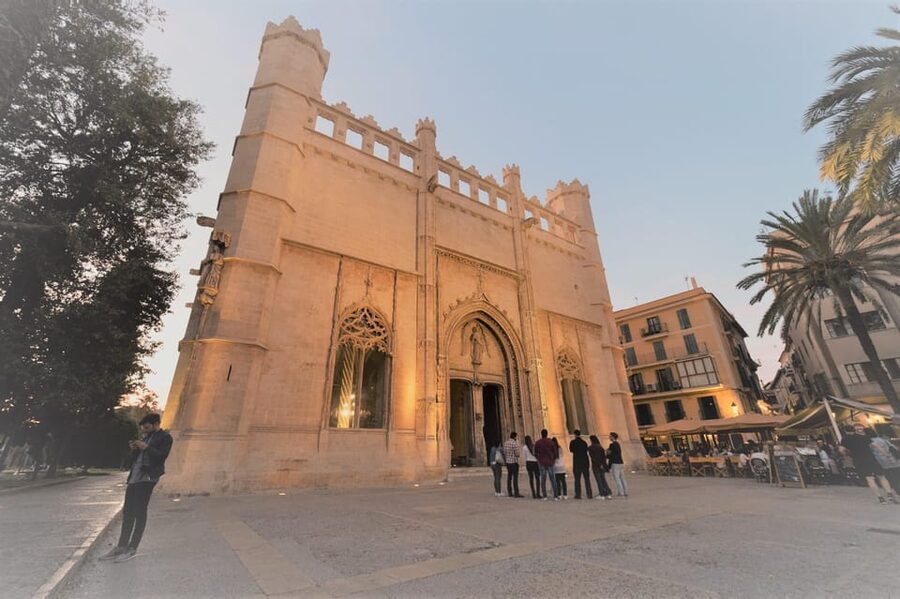
REVIEW · PALMA CATHEDRAL & COURTYARD WALKS
Palma: Old Town Walking Tour & Cathedral Skip-the-Line
Palma is a shortcut to La Seu without stress. This 2.5-hour guided stroll pairs skip-the-line Cathedral entry with a licensed local guide who turns Palma’s old streets into a living story, from Roman-era hints to the Gothic drama inside the Cathedral of Mallorca. I love how the visit connects big names and big changes, so Gaudí and Miquel Barceló feel like part of Palma’s ongoing makeover, not museum trivia.
One thing to plan for: the Cathedral has rules. You’ll need appropriate clothing and you should travel light, because there are no lockers for suitcases or large bags.
Key highlights to know before you go
- Skip-the-line entry into Palma Cathedral, so you can spend your time looking instead of waiting
- Gaudí and Barceló inside La Seu, including the Chapel of Sant Pere intervention
- Three major Cathedral changes, from a late-1800s portal rebuild to early-1900s Gaudí work
- Old town context stop by stop, including Santa Eulàlia, Sant Francesc, and the former Jewish quarter
- A real local welcome, a traditional Mallorcan ensaïmada during the tour
- Finish at Mercat de l’Olivar, a practical landing spot for lunch and local food options
Why La Seu Matters: Skip-the-Line Cathedral Entry in Palma
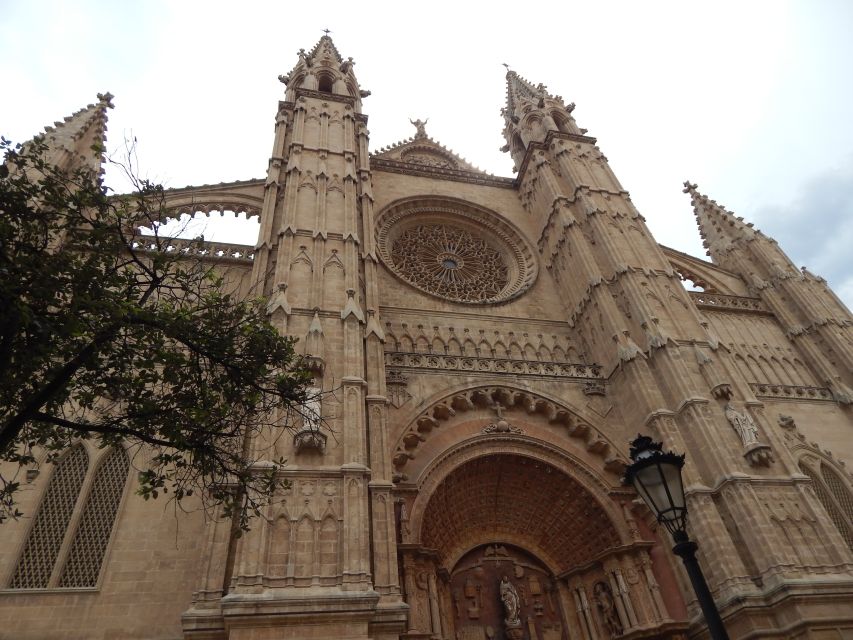
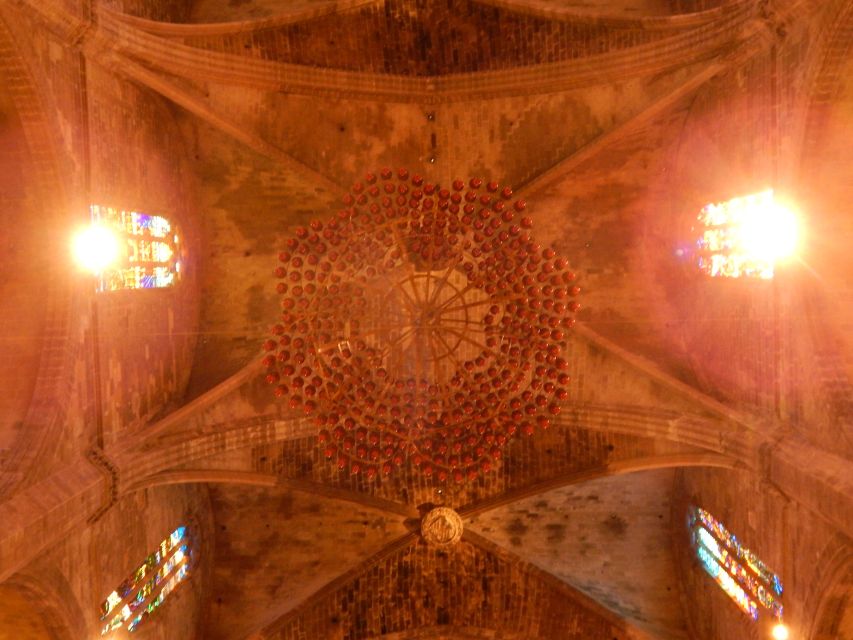
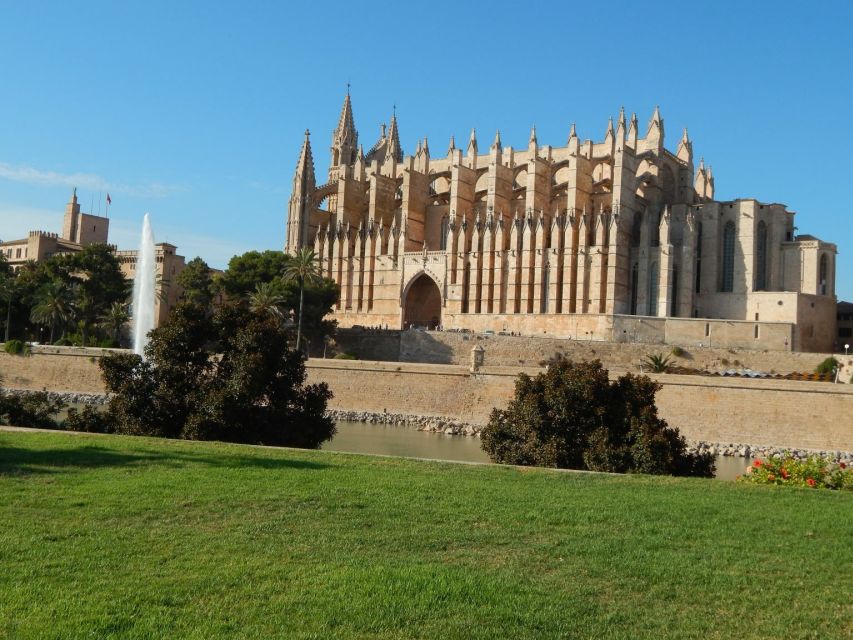
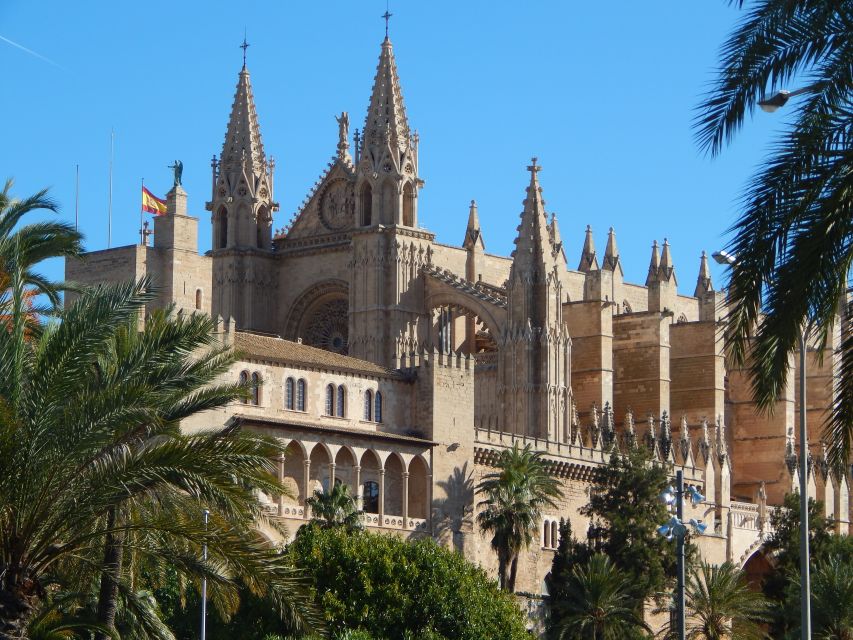
Palma’s Cathedral, officially the Cathedral of Mallorca but widely called La Seu, is one of those places where time is visibly layered. You look up and see Gothic bones, then you spot later interventions that changed how the building feels and how people use it. With skip-the-line access, you start that process without wasting a good chunk of your morning standing around.
What makes this tour work especially well is that you are not just buying a ticket and hoping the building clicks. You get a licensed guide in English who keeps the story moving, answering the kind of questions that make old places feel less intimidating, like why it is called La Seu, who is buried inside, and when it was built. The Cathedral visit is long enough to notice details, but it still fits inside a tight walking schedule.
Another smart touch is timing. The Cathedral stop is 40 minutes, which is plenty for key points, photos, and that slow “wait, look at that” feeling. Then you transition back outside into medieval streets where the Cathedral’s influence makes more sense.
You can also read our reviews of more tours and experiences in Mallorca.
Meet at the Orange Umbrella and Get Oriented Fast
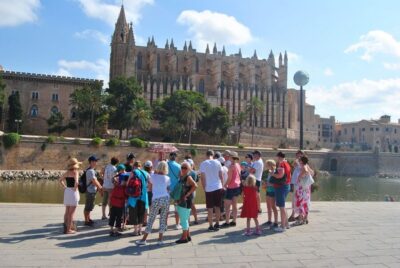
Your start point is the Informació Turística Ajuntament de Palma tourist office, the one with an orange cube-shaped sign showing a white letter i. The guide waits holding an orange umbrella, so you can find your group quickly even if you are arriving a few minutes early and trying not to stress.
This matters more than it sounds. Palma old town can be easy to wander the wrong direction in, especially near the water and palace area. When you begin with a clear meeting point and a guided route, the “first 20 minutes” turn from chaos into momentum.
The tour is designed as a walking experience. It lasts 2.5 hours total, so think comfortable shoes, light layers, and a small bag that is easy to manage once you reach the Cathedral. The pace is guided and stop-based, not a marathon march.
Start Near the Water: Parc de la Mar, Hort del Rei, and the Royal Zone
The route begins with an easy intro around Parc de la Mar and then moves toward Hort del Rei. These stops give you a needed frame. Palma is famous for its setting, and the Cathedral area makes more sense when you understand how the city’s important buildings relate to the harbor and the royal zone.
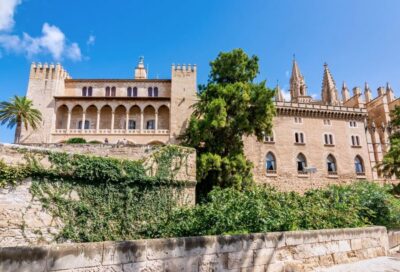
From there, you head to Palau de La Almudaina, the palace area. Even if you do not go inside (you are on a guided exterior-to-interior flow), the area sets the stage for why Palma’s power and faith buildings sit where they do. The old town is not random. It’s organized around meaning, and your guide explains how that plays out as you move.
Expect the tour to pause often for explanation. These short guided segments help you “read” the city while you walk. You get context before you hit the Cathedral, so the interior makes immediate sense instead of feeling like a separate trip.
Inside Palma Cathedral: Gothic Meets Real-World Art and Change
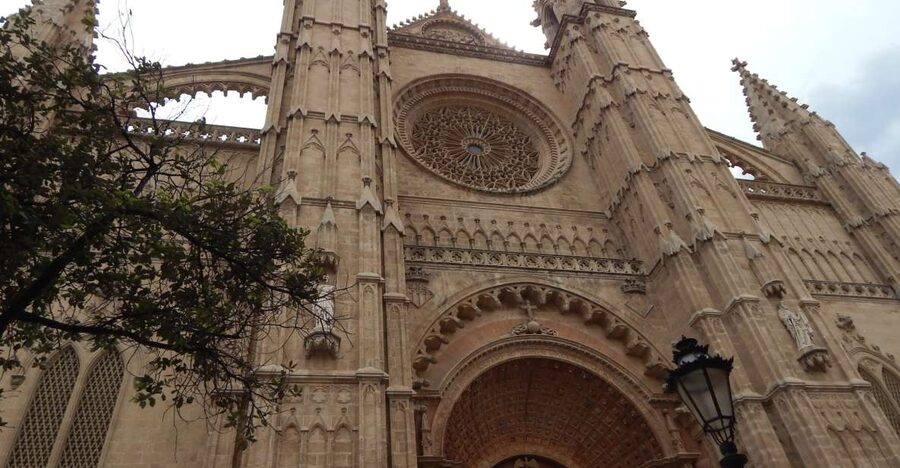
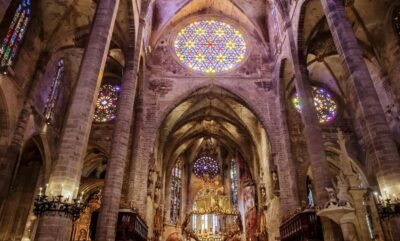
Now the main event: Palma Cathedral. The entry is your payoff for booking the skip-the-line option. Once inside, your guide focuses on architecture and artistic transformations, not just dates. That approach makes the building easier to understand quickly.
What I like most here is how the guide connects the Cathedral’s development to specific interventions that shaped it over time. You are not left guessing. You learn what changed, when it changed, and why it matters.
And you get to see two major artistic presences associated with Mallorca:
- Work by Antoni Gaudí from the early 1900s reforms
- Work by Miquel Barceló, part of the contemporary intervention in the Chapel of Sant Pere
These details turn the visit from “pretty church” into “place where art history and architecture history overlap in a very practical way.” Even if you are not an architecture nerd, you’ll still notice the difference between old structure and later artistic additions.
The Cathedral’s Big Three Makeovers, Explained Clearly
One of the most useful parts of this tour is the way it breaks down the Cathedral’s evolution into three major interventions. Instead of a long lecture, you get a structured story. That structure helps you retain what you see.

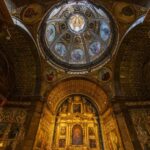




1) The late-1800s portal reconstruction
The guide explains how the main portal was reconstructed at the end of the 19th century. This is a key moment because portals are like the Cathedral’s handshake. Changes here can alter the building’s public face, and your guide points out what you can still sense in the details.
2) Antoni Gaudí’s reform, 1904 to 1914
Next comes the Gaudí chapter. The tour highlights the major reform carried out by Antoni Gaudí between 1904 and 1914, commissioned by Bishop Joan Pere Campins. Knowing the commission part is helpful, because it explains the “why” behind the style changes, not just the “who.”
Even if you think of Gaudí mostly as a Barcelona brand, this is a reminder that his reach was broader and that Mallorca’s leaders shaped what was possible inside sacred spaces.
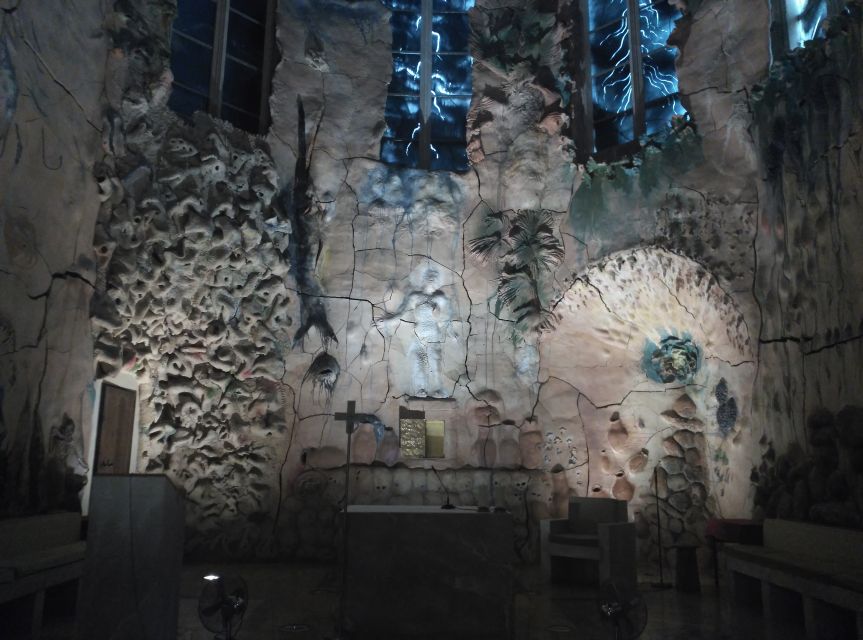
3) Miquel Barceló’s 2007 intervention in Sant Pere
Finally, you get the contemporary layer. In 2007, Miquel Barceló created an art intervention in the Chapel of Sant Pere. This is the part that can surprise people, because you expect a Gothic Cathedral to feel consistent. Instead, you see how faith buildings can stay active and artistically updated.
The takeaway: Palma Cathedral is not a frozen “old world” snapshot. It is a building that has been adjusted and reimagined across centuries.
Questions You’ll Be Glad Someone Answers
A good Cathedral visit is not about remembering every date. It’s about understanding what to notice. This tour is built around that idea with guided answers to questions like:
- Why the Cathedral is called La Seu
- Who is buried inside
- When the Cathedral was built
- What the building’s names and phases tell you about Palma itself
- Why the three interventions changed how the Cathedral feels
If you like your sightseeing to come with “talking points,” this is a strong match. Your guide essentially turns the building into a conversation, and you get to keep looking while the explanations help you decode what you are seeing.
Leaving the Cathedral: Medieval Streets, Church Stops, and Courtyards
After the interior, the tour moves into Palma’s medieval streets. This section is where you start connecting faith landmarks to everyday city life.
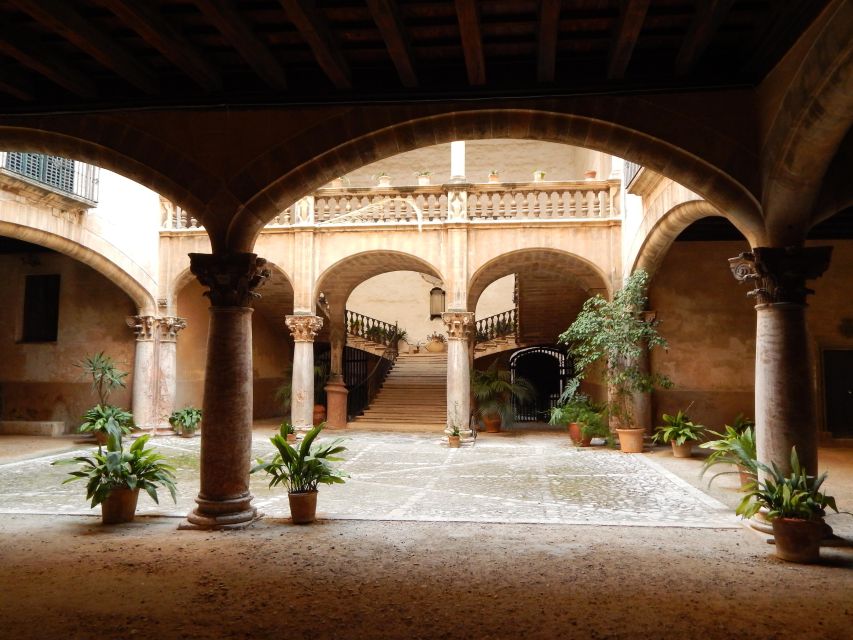
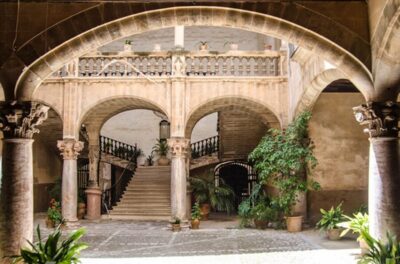
You’ll pass traditional Mallorcan courtyards, known for patios that reveal a slower, inward-looking side of the city. Courtyards like these are one reason old towns can feel intimate. Even if the streets are narrow, the private spaces open up in your mind.
Along the way, you also visit or pass important religious sites, including:
- Santa Eulàlia de Ciutat de Mallorca (parish church)
- The Royal Convent of Sant Francesc and Basílica de Sant Francesc
- Plaça de Cort
- Part of the former Jewish quarter
- Basílica de Sant Miquel de Palma
- Can Forteza Rey
Some stops are more “look closely” and some are more “brief explanation.” That mix matters. It keeps the walking tour from turning into an endless series of quick photo stops with no meaning. Instead, you get enough time to orient yourself in each zone.
One practical note: you are often moving between landmarks in tight streets. Keep your pace steady and save your big camera bursts for when the guide pauses to point things out.
The Local Welcome: Ensaïmada as a Small but Smart Touch
Yes, you get a traditional Mallorcan ensaïmada as a local welcome treat. It’s not a full meal, but it’s a nice reset during a 2.5-hour tour that includes a significant Cathedral block.
I also like that the tour does not try to replace food with “culture.” An ensaïmada is simple and specific, and it nudges you toward thinking like a local when you finish at the market later.
Finish at Mercat de l’Olivar for Lunch Plans That Make Sense
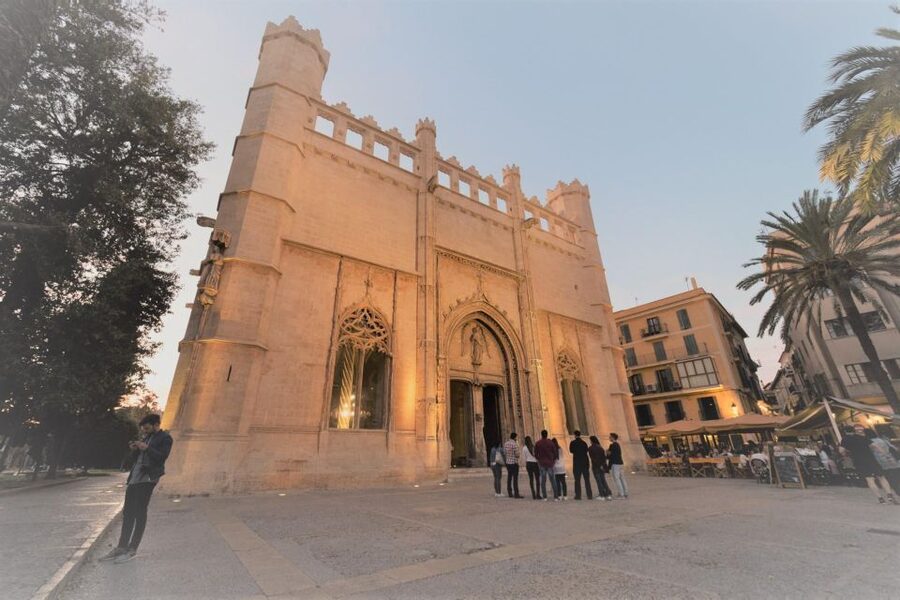
The tour ends at Mercat de l’Olivar, Palma’s largest market. This is a practical finish because it hands you a ready-made food zone right after the walking and Cathedral time.
You can use the market area as your launchpad:
- Grab something quick if you want an easy lunch
- Sit down at a nearby restaurant if you want a longer break
- Browse and snack if you like building a meal in small pieces
This is one of those “right after the tour” locations that saves you from the classic problem of sightseeing hunger. You already made it to a central, food-forward spot.
Price and Value for a 2.5-Hour Walking Tour
At $50 per person for about 2.5 hours, the cost feels fair once you factor in what is included. You get:
- Palma Cathedral entrance fee
- Skip-the-line entry
- Official English tour guide
- Walking coverage through Palma old town
What you do not get is transport and food or drinks. That is normal for a walking tour, and it actually helps the value make sense. You are paying for guided time and the Cathedral access, not for a bus ride you might not need.
If you hate ticket lines, the skip-the-line component can be the deciding factor, because your time inside the Cathedral is limited and 2.5 hours passes fast. For visitors who want structure and explanations without spending hours piecing together a route, this pricing fits the purpose.
Who Should Book, and Who Might Rethink It
This tour is a strong match if you want:
- Guided Cathedral time focused on architecture and art
- Context for Palma old town stops instead of self-guided wandering
- A clear route with a simple start and a useful food finish
- English guidance from a licensed local guide
It’s less ideal if:
- You dislike walking and prefer slow, long breaks every 10 minutes (this tour is built around short guided segments and movement)
- You cannot adjust for Cathedral clothing and bag rules
- You want a very long, unhurried time inside the Cathedral (the Cathedral portion is 40 minutes)
Good to know: the tour is wheelchair accessible, so if mobility is a concern, this is one of those options that should work with planning.
Should You Book Palma Old Town Walking Tour and Cathedral Skip-the-Line?
Book it if you want to understand Palma quickly and see the Cathedral as more than a photo stop. The combination is the point: old town context outside, then a structured inside-the-Cathedral explanation that ties together La Seu’s transformations, including Gaudí’s 1904 to 1914 work and Miquel Barceló’s 2007 Chapel of Sant Pere intervention.
You should think twice if you are carrying large luggage or you are not comfortable following religious-site attire and bag rules. With no lockers available in the Cathedral, plan for a small bag situation.
Overall, this is a solid value way to experience Palma’s center of gravity. You walk away with clearer “why this matters” answers, and you end at Mercat de l’Olivar ready to eat.
FAQ
How long is the Palma Old Town Walking Tour and Cathedral Skip-the-Line?
It lasts 2.5 hours.
What is the price per person?
The price is $50 per person.
Where do I meet the guide?
Meet at the Informació Turística Ajuntament de Palma tourist office. The guide holds an orange umbrella and stands in front of the orange cube-shaped sign with a white letter i.
Is the tour guided in English?
Yes, the tour guide speaks English.
How much time is spent in Palma Cathedral?
You spend 40 minutes at Palma Cathedral.
What should I wear inside the Cathedral?
You should wear appropriate attire for a religious building. No swimwear or beachwear is allowed.
Are suitcases or large bags allowed in the Cathedral?
No. For security reasons, suitcases and large bags are not permitted inside the Cathedral, and there are no lockers available on site.
Where does the tour finish?
The tour finishes at Mercat de l’Olivar, the city’s largest market.
More Tour Reviews in Mallorca
Not for you? Here's more nearby things to do in Mallorca we have reviewed






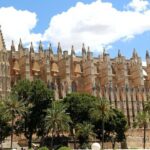

Palma Cathedral & Courtyard Walks, compared.
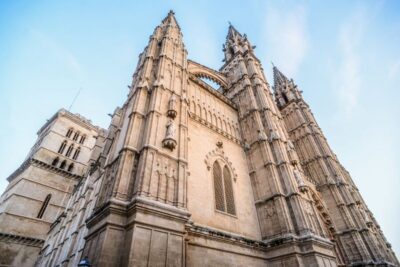 ★ 4.6Cathedral of Mallorca Skip-the-Line Entry TicketFrom $1214,386 reviews
 ★ 4.4La Almudaina Palace Entry TicketFrom $11874 reviews
 ★ 4.0City Walking Tour with The CathedralFrom $34657 reviews
 ★ 4.2Old Town and Cathedral TourFrom $32268 reviews
 ★ 4.1Palma, Cathedral & Valldemossa: Guided walking TourFrom $40182 reviews
 ★ 4.7Palma Old Town Sunset Tour and Food TastingsFrom $32760 reviews
 ★ 3.9City, Cathedral and Valldemossa with pick up serviceFrom $7839 reviews
 ★ 5.0Palma Old Town & The Cathedral of Mallorca with Mallorcan pastryFrom $5038 reviews
Browse the lists this tour appears in