
REVIEW · MALLORCA GIN, OLIVE & LOCAL TASTINGS
Olive plant and mill visit and tasting
Olive oil gets real when you see it made. This 3-hour Mallorca tour pairs a walk through an olive grove with a visit to a modern olive mill, then ends with a guided tasting tied to the way the oil is actually produced.
I love the way the experience ties nature to flavor, from the olive trees and what grows around them to the small production details that affect what ends up in your glass. I also love the tasting training, where you learn what extra virgin should feel and taste like, not just how good it is.
One thing to plan for: this is moderate walking with a few gradients, and it is not a good fit if you have mobility limitations. Bring comfortable shoes, and keep that in mind before you book.
Key highlights at a glance
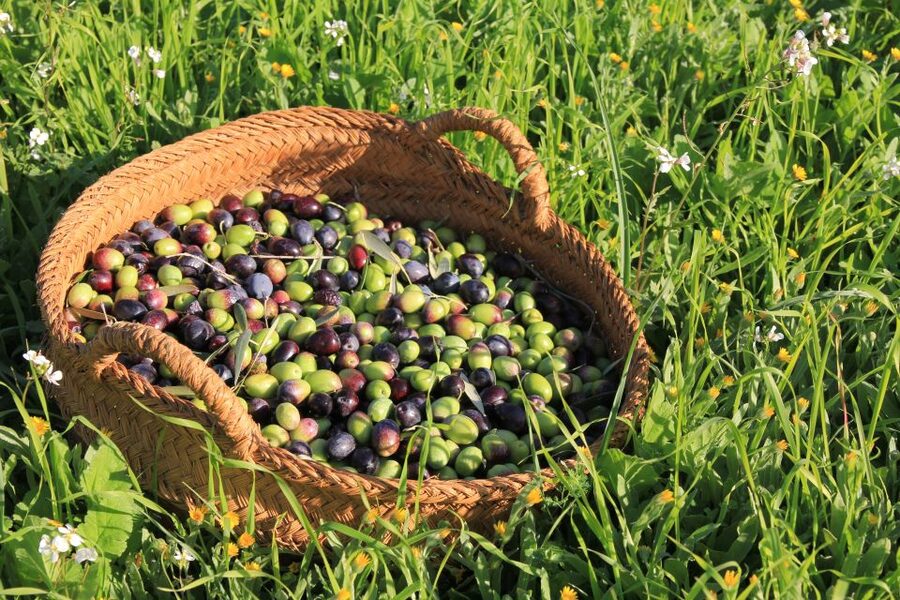
- Olive grove walk with time among the trees and a focus on what you can observe in the estate setting
- Modern olive mill visit where you see how the process works for quality extra-virgin oil
- Extra-virgin tasting designed to help you recognize quality, not just taste casually
- Mallorcan food picnic featuring Pa amb Oli, sobrasada, Menorca cheese, Iberian ham, fruit, plus water and wine
- Small group format (max 8) with a live English guide and room for questions
- Hotel pickup and drop-off from Palma and Ca’n Pastilla, so you spend less time figuring out logistics
Olive grove to mill in 3 hours, and why it works
If you’ve ever had Mallorca olive oil at home and wondered what makes one bottle taste peppery, fruity, or plain, this format helps. You spend the morning or afternoon moving from the field to the factory, so the tasting does not feel random. It feels explained.
The timing is a big part of the value. You get roughly 3 hours total, with a short van ride and then about 2.5 hours on site. That is long enough to learn and taste without turning your day into a half-day marathon.
The best part for most people is that you leave with practical know-how. You learn how extra virgin quality is tied to what happens in cultivation and extraction, then you practice with a tasting so the lesson sticks.
You can also read our reviews of more tours and experiences in Mallorca.
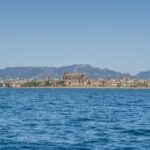
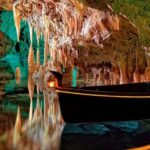
Pickup in Palma and Ca’n Pastilla, and the ride to Llucmajor
Logistics matter on these food-and-wine days, and this one is set up to be easy. You have two pickup options in the Palma area, including Ca’n Pastilla, and you return to the same area for drop-off.
There is a van ride of about 30 minutes, which is useful because it buffers the time so you are not racing from attraction to attraction. You also start on the right foot, with the group moving together instead of everyone meeting at a different gate.
This small-group setup means you are less likely to get stuck waiting for someone who is running late. It also makes the guide’s explanations easier to follow, since you are not shouting over a large crowd.
Walking the olive grove: what you actually notice among the trees
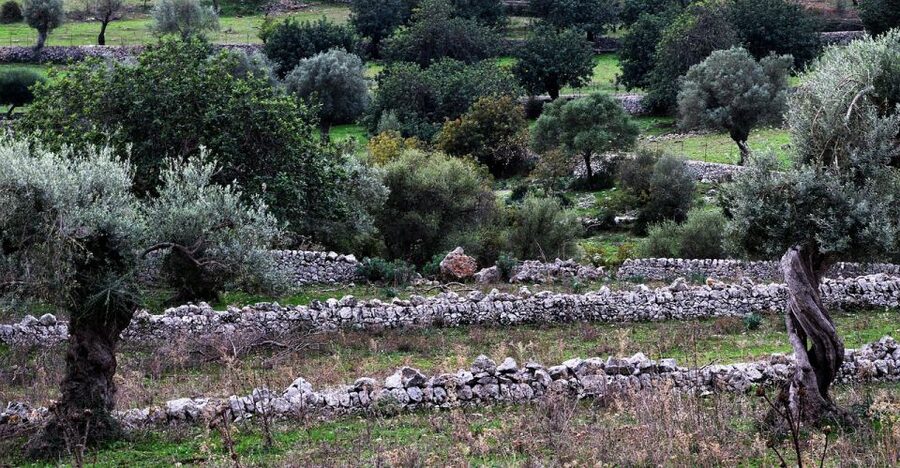
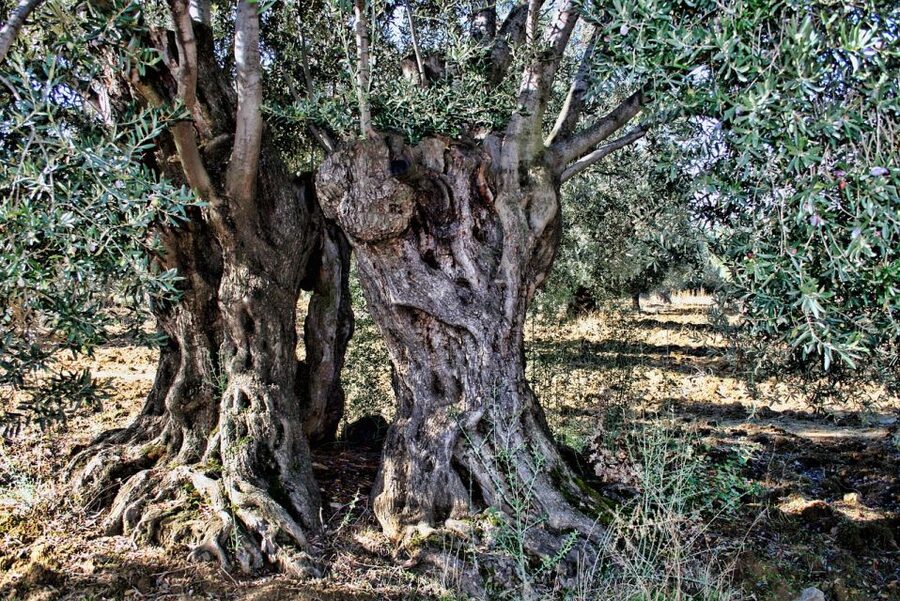
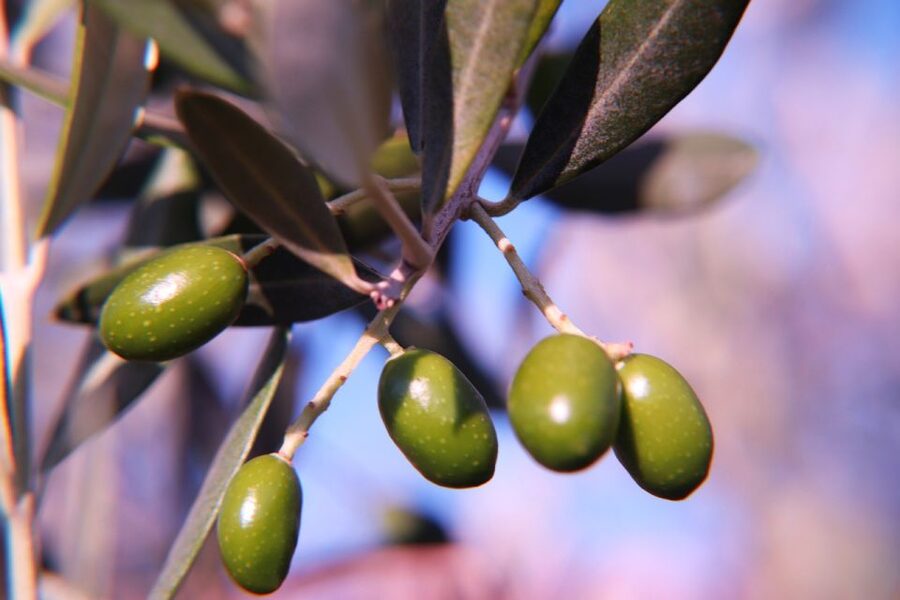
The grove portion is not a rushed photo stop. You walk among olive trees in the estate setting and learn what to look for, including the flora and fauna that live around the plants. That small shift is what makes the tour feel like more than a tasting ticket.
Pay attention during the walk. The olive tree is simple at first glance, but the estate environment helps you understand why olive oil tastes the way it does. Weather, soil, and how olives are grown all influence the oil that later becomes part of your glass.
Comfort matters here. The walking is moderate and includes a few gradients, so wear shoes with grip. If you know you struggle with uneven ground, you might want to skip this one or choose a different tour with less walking.
Inside the modern olive mill: where quality gets decided
Seeing a mill in action changes how you think about olive oil. You are not just tasting a product, you are witnessing a chain of steps that affect aroma, bitterness, and that peppery finish many people associate with good extra virgin.
This tour includes a guided visit through the modern olive mill. You will learn the production process, including how olives are handled and turned into oil, which is exactly where many quality differences begin.
The practical payoff is in your own tasting later. Once you know that production choices connect to quality, the tasting stops being a lottery. You start noticing the oil’s character with a reason behind it.
Recognizing extra virgin during the tasting, not after
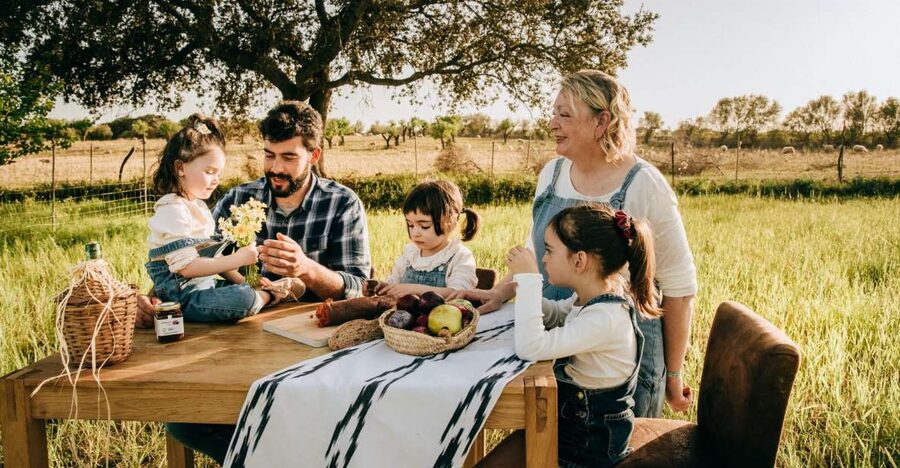
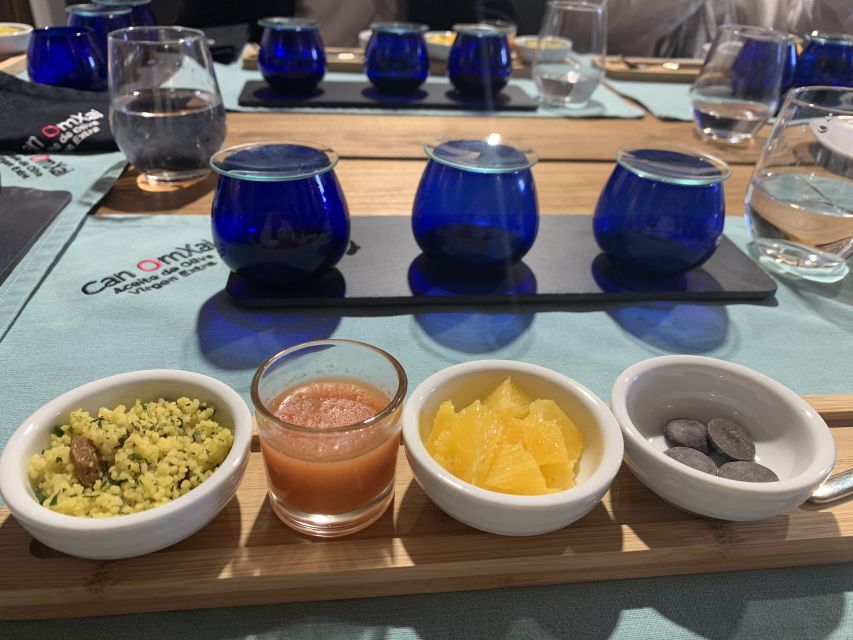
The tasting is a highlight for a reason: it’s not only about drinking oil. It is about learning how to recognize extra virgin quality through sensory cues and a guide-led explanation of what you should look for.
You get tasting of olive oils as part of the experience, and the tour teaches you what extra virgin should be like. If you have only ever bought oil by label or by brand, this is where you get your footing.
Taste with a slower pace than you usually would. Swirl gently, then pay attention to how the oil moves across your palate and how long the finish lasts. Good extra virgin tends to feel more structured, with noticeable flavor and sometimes a slight bitterness or peppery note, depending on the olives and processing.
Also, take mental notes for future purchases. After this, you are more likely to buy oil the way you buy wine, with your own palate as the reference point.



The picnic lunch: Mallorcan plates that make the oil make sense
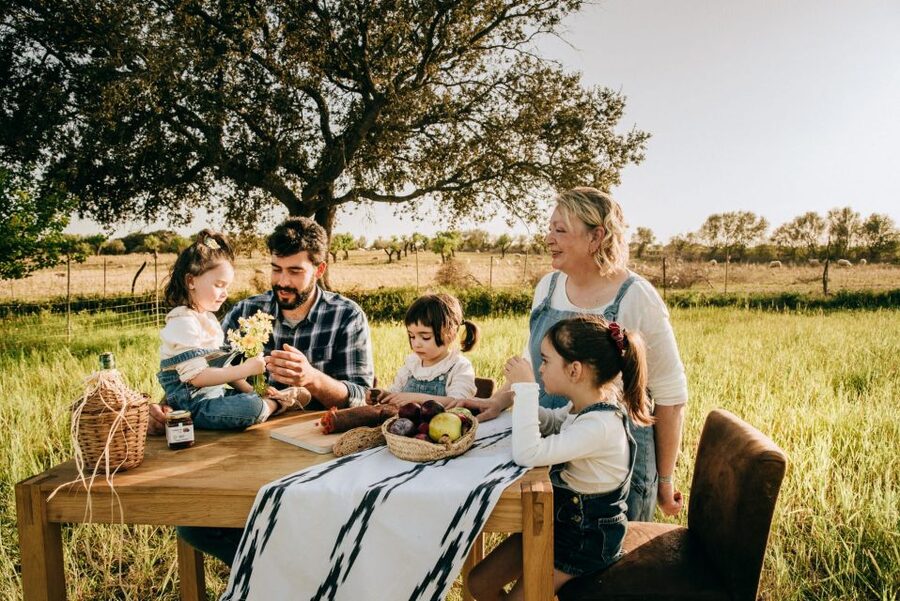
One of the most enjoyable parts is the picnic, built around classic island flavors that naturally go with olive oil. You are served local food such as Pa amb Oli, sobrasada, cheese from Menorca, Iberian ham, fruit, plus water and wine.
Pa amb Oli is a great anchor here because it shows olive oil in its most everyday role. Instead of tasting oil in isolation, you taste it with bread and toppings, so you understand why people use it in daily meals, not just for cooking or salads.
Sobrasada and Iberian ham add salty, rich contrasts. Menorcan cheese contributes its own texture, and fruit refreshes the palate between bites. Water and wine keep the meal comfortable and help you stay relaxed while you digest the morning’s learning.
Two practical tips for enjoying the meal: eat at a normal pace, and save a few bites for after you taste the oils. That way you get the full effect of how food and oil interact, rather than wiping out your palate too early.
Guide style, pacing, and how the group stays friendly
This is a small group tour, limited to 8 participants, with a live tour guide in English. That makes a difference in how questions work. You can actually ask what you’re confused about, instead of holding your thoughts until the end.
The vibe tends to be welcoming, with guides known for friendliness and for keeping the tour organized and informative. Names like Julia and Michael show up in the kinds of experiences people report, especially for smooth timing and an easygoing approach.
In practice, that means you can expect explanations to land. The guide connects what you see in the grove and mill to what you taste, instead of treating each part as a separate stop.
If you care about learning, bring questions. If you just want a fun food day, the guide’s structure still helps because the tasting and meal feel purposeful.
What to consider before you book
This tour is not designed for everyone. It includes moderate walking with a few gradients, so it is not suitable for people with mobility impairments.
Also plan for the fact that you are outside for parts of the experience. Even though it’s not described as strenuous, you still want layers that you can adjust, especially if Mallorca weather shifts.
Finally, manage your expectations around alcohol and extra drinks. Water and wine come with the picnic, but other beverages and other food are not included. If you like extra pairing drinks, you will likely need to buy them separately.
Who this tour is best for on Mallorca
I think this tour fits best if you want more than a scenic farm visit. It’s ideal for food lovers who like practical education, especially anyone who buys olive oil and wants to understand what makes it quality.
It also works well for first-timers to Mallorca’s countryside, because the visit gives you a clear theme and a structured experience. You get nature, production, and local eating in one block.
If you are traveling as a couple or small group and you want a relaxed schedule, the max 8 group size helps a lot. If you prefer fully private tours or no walking at all, you might be happier elsewhere.
Price and value: what $112 per person really buys
At $112 per person, you are paying for a focused, guided small-group experience rather than a general tasting. For that price, you get the olive plant and mill visit, guided tour of the estate, olive oil tasting, and a picnic with multiple local items plus water and wine.
That package matters. Many olive oil tastings are just a short pour with minimal context. Here, the teaching is built into the flow from grove to mill, and the food section reinforces the oil’s role in everyday Mallorcan eating.
You also get pickup and drop-off options in Palma and Ca’n Pastilla. For visitors staying in that area, that convenience can be a big value boost because it removes the need to plan transport to Llucmajor and back.
If you want maximum educational return per hour, this is strong value. If your priority is a long dinner or a big wine program, you might find the timing a bit short, since the total duration is 3 hours.
Should you book this olive oil estate visit?
Book it if you want a structured introduction to Mallorca extra virgin olive oil, with real context from grove to mill and a guided tasting that helps you recognize quality. The picnic is also a solid bonus, since it turns the oil into a real meal pairing instead of a standalone sip.
Skip it if walking, even moderate walking, is a problem for you, since the route includes a few gradients. Also skip it if you only want a quick tasting and you are not interested in how production affects flavor.
If you like hands-on learning and you want a memorable food-focused morning or afternoon without wasting time, this is a good match for your Mallorca trip.
FAQ
How long is the olive plant and mill visit and tasting?
The experience lasts 3 hours total.
Where does the tour take place?
It takes place in the Balearic Islands, Spain.
How much does it cost?
The price is $112 per person.
Is hotel pickup included?
Yes. Pickup and drop-off are offered with two options in Palma and Ca’n Pastilla.
How big is the group?
It is a small group, limited to 8 participants.
What language is the tour guide?
The live tour guide is in English.
What is included in the price?
You get the olive plant and olive mill visit with a guided tour, olive oil tasting, and a picnic with local food including Pa amp Oli, sobrasada, cheese from Menorca, Iberian ham, fruit, plus water and wine.
What should I bring?
Bring comfortable shoes for the moderate walking.
Are pets allowed?
Pets are not allowed. Assistance dogs are allowed.
Is it suitable for mobility impairments?
No, it is not suitable for people with mobility impairments.
More Tour Reviews in Mallorca
Not for you? Here's more nearby things to do in Mallorca we have reviewed



Mallorca Gin, Olive & Local Tastings, compared.
 ★ 5.0Guided Tasting Tour in 16th century House and Olive Oil FactoryFrom $31169 reviews
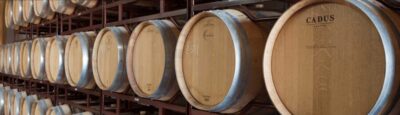 ★ 4.9Llucmajor: Bodegas Bordoy Wine TourFrom $58104 reviews
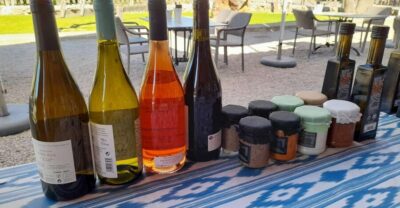 ★ 4.7Local Wines & Foods TastingFrom $4654 reviews
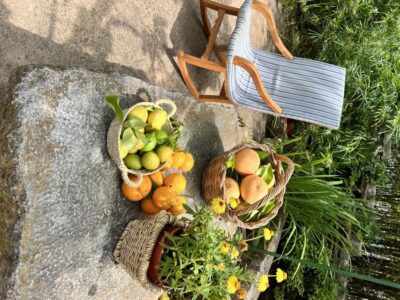 ★ 4.9Orange Farm, Olive Mill, & Winery Tour with TastingsFrom $22144 reviews
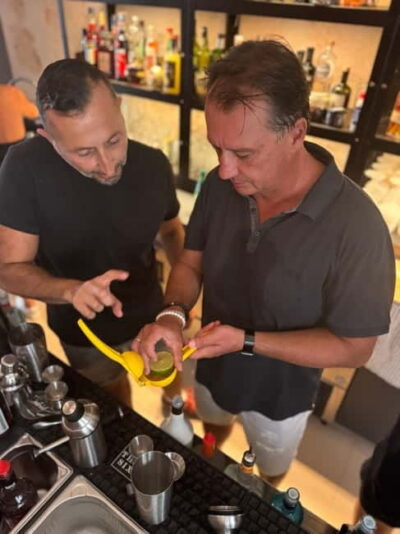 ★ 5.0Cocktail course Mallorca40 reviews
 ★ 5.0Tour to olive grove and olive mill, oil tasting and snackFrom $5925 reviews
 ★ 5.0The GIN EVA TASTING at Casa EvaFrom $6622 reviews
 ★ 4.4Sóller: Olive Oil Guided Tour and Tasting at Can Det EstateFrom $3417 reviews
Browse the lists this tour appears in