
REVIEW · MALLORCA ISLAND SIGHTSEEING DAYS
Mallorca Beyond the Guidebooks – Tour with the famous Author
The real Mallorca starts off the main road. I like riding Mallorca’s Tramuntana back roads with an author who steers you past the predictable routes, and I love the traditional olive estate stop that turns local food into a story. One thing to plan for, though, is the no-big-luggage rule, so pack light.
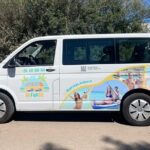
Pick-up is around Palma, with four options to choose from: Campos, Llucmajor, Ca’n Pastilla, or Palma. Then you settle into a comfortable, air-conditioned van and spend the day with a small group of up to eight people, which keeps the vibe personal and the conversations going.
This full-day route mixes guided town time with driving breaks and unhurried commentary about local life, island traditions, and the island’s past. You get English or German narration, and the pacing is built for slow looking, not quick checklists.
Key things I’d write on a sticky note before you go
- ADAC RoadTrips Mallorca author leadership: you’re not just touring, you’re getting guided context tied to the places you see
- Back roads through mountain passes: the day feels like a road trip, not a bus schedule
- Valldemossa with a guided block: you get 45 minutes with a plan instead of wandering time
- Deià and Sóller in the same circuit: two towns with different atmospheres, both explained
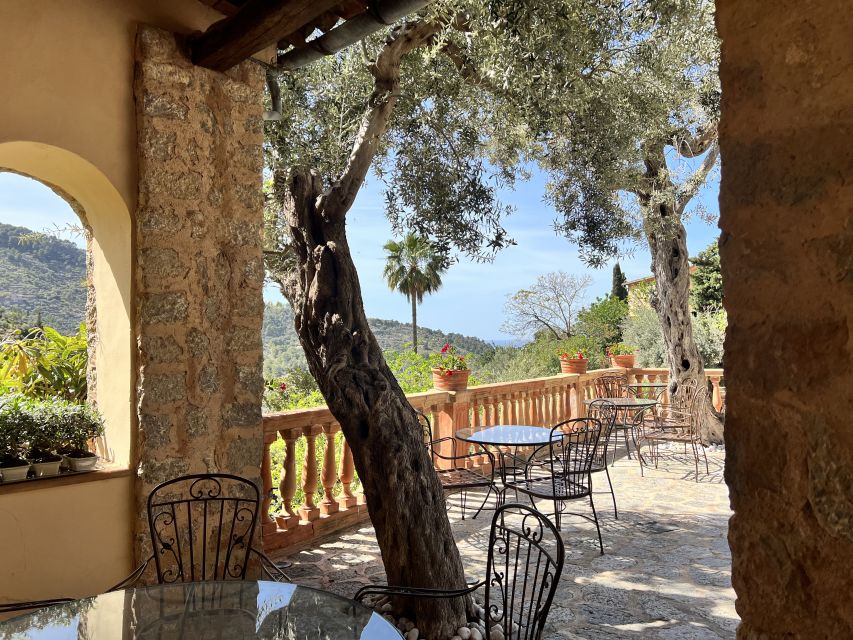
- Traditional olive estate visit plus tasting: you leave with a sense of how olives shape Mallorca
- Small group, VIP treatment feel: fewer people, more back-and-forth, less waiting around
Why riding with the RoadTrips Mallorca author changes everything
A lot of Mallorca tours show you the postcard highlights and call it “authentic.” This one aims for something more useful: understanding the island’s logic. You’re guided by the author of ADAC RoadTrips Mallorca, which matters because you’re not only hearing what’s famous. You’re hearing why it mattered, how locals lived around it, and what still shows up in daily life.
The best part is that the tour treats scenery as evidence. When you stop at a viewpoint, the guide links what you see to how the mountains shape travel, farming, and settlement patterns. When you reach cultural sites with spiritual significance, you get the background that helps the place make sense right away.
The small group size, up to 8 participants, also changes the feel. You’re less likely to lose your place in the crowd, and you can ask questions that go beyond the “what is this?” level. In one past experience connected with the tour, the guide Captain Micheal J stood out for a friendly, open style and a real interest in Palma’s history and culture, so it’s not only factual. It’s also human.
You can also read our reviews of more tours and experiences in Mallorca.
Getting from Palma into the Tramuntana the easy way
Your day begins with pickup at your accommodation in and around Palma. You can choose among four pickup zones, Campos, Llucmajor, Ca’n Pastilla, or Palma, and you’ll be dropped off at one of those same areas later.
Then comes the first practical win: a comfortable, air-conditioned van transfers you to the Tramuntana Mountains. That matters because the Tramuntana is not a “park near it and stroll” region. Roads twist, altitude changes, and the best viewpoints are often not near the main roads. The van also means you’re not spending your energy on logistics, so you can focus on looking and listening.
Once you reach the mountain region, the driving pattern is part of the experience. Short van segments keep the day moving, but they also give the guide time to time stops well. That turns the day into a rhythm: ride, walk, viewpoint, story, ride again. It’s the opposite of getting stuck in one place for hours and burning the daylight before you reach the good parts.
Also, keep in mind the day runs about 8 hours. You’ll be in motion, and you’ll want comfortable shoes. The tour is wheelchair accessible, but since the day includes walking and town stops, you should be ready to move at least a bit.
Valldemossa in 45 minutes, how to make it count
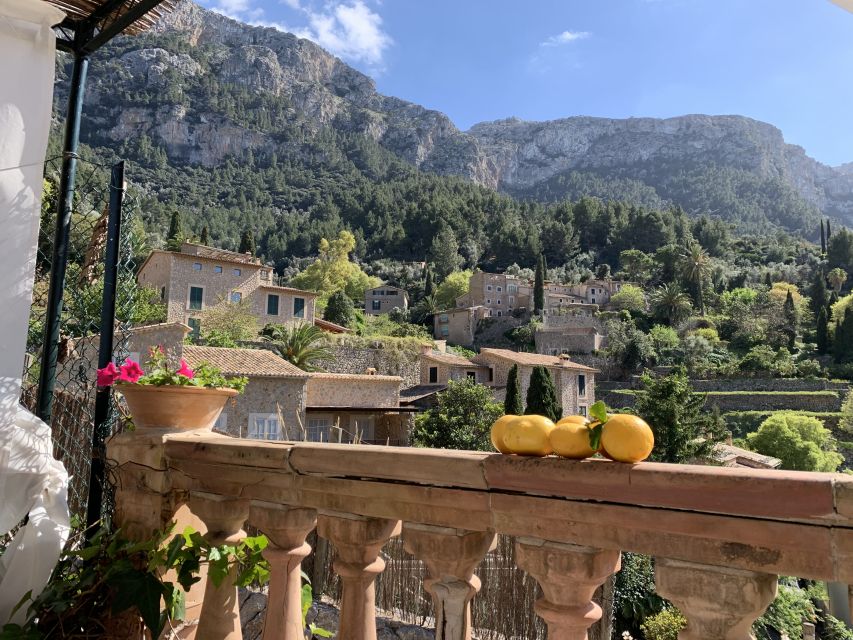
Valldemossa is one of those Mallorca names people know. The trick is using your time there well, because 45 minutes can disappear fast if you wander with no plan.
On this tour, you get a guided block in Valldemossa. The value is not that you’re ticking off a checklist. It’s that the guide’s commentary gives you a map in your head. You’ll be better at noticing the details that make Valldemossa feel different from nearby towns: the way the settlement hugs the terrain, the sense of place, and the historical and cultural context behind why people connect meaning to this part of the island.
My advice for Valldemossa is simple: go in ready to slow down. Give yourself permission to stand still at one or two spots and watch. When the guide talks about island life and traditions, you’ll catch what the buildings and streets are hinting at. Then, when you move on, you’ll feel like you gained something, not just passed through.
The off-the-route stops, why small duration can still feel big
After Valldemossa, the day keeps flowing with another stop that’s designed to feel away from the most predictable routes. You’ll have time there for about 30 minutes, with driving segments between stops.
These in-between stops are important for two reasons. First, they break up the day so you don’t feel like you’re constantly transferring. Second, they’re often where the guide can point out the connection between the terrain and local habits. The description emphasizes scenic mountain passes, panoramic highland routes, and atmospheric valleys, and that’s exactly how you’ll feel on these short segments.
You should also expect stops with spiritual significance and storytelling tied to local traditions and past events. Because the tour uses timed windows, the experience stays focused. You don’t get dumped into a long, slow museum-style visit. Instead, you get a guided moment that helps you read the island like a landscape of human choices.
A small caution: since some stops are not explicitly named here, treat the day as guided exploration rather than a “see these 10 landmarks” schedule. If you love improvisation, that’s a plus. If you’re the type who wants to study every site name in advance, you might find the unnamed segments less satisfying.
Deià and Sóller, two towns that balance each other
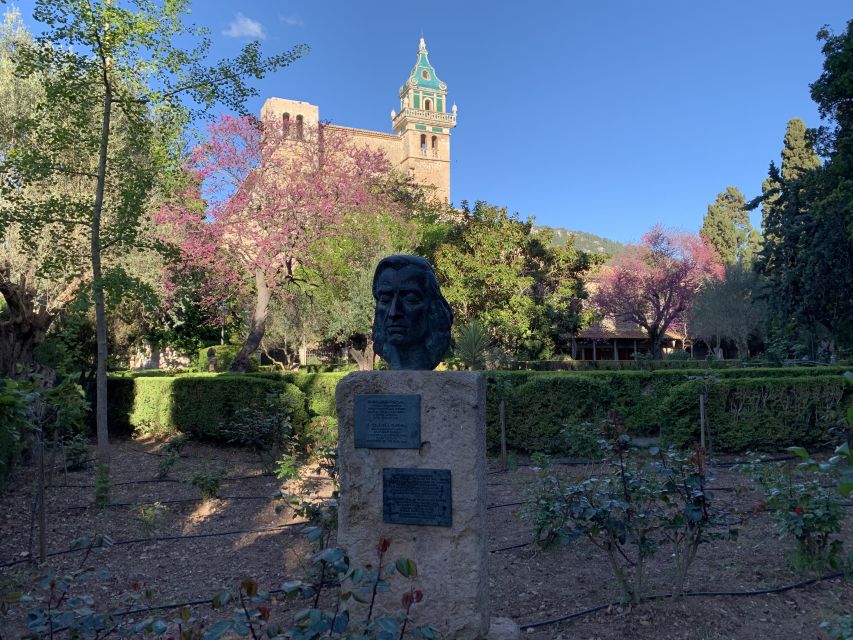
The next named stop is Deià for about 30 minutes. Deià has a reputation for charm, but on a tour like this, you don’t want charm only. You want context. The guide’s job is to help you understand what made this area appealing to people across time, and how the town’s setting influences daily life.
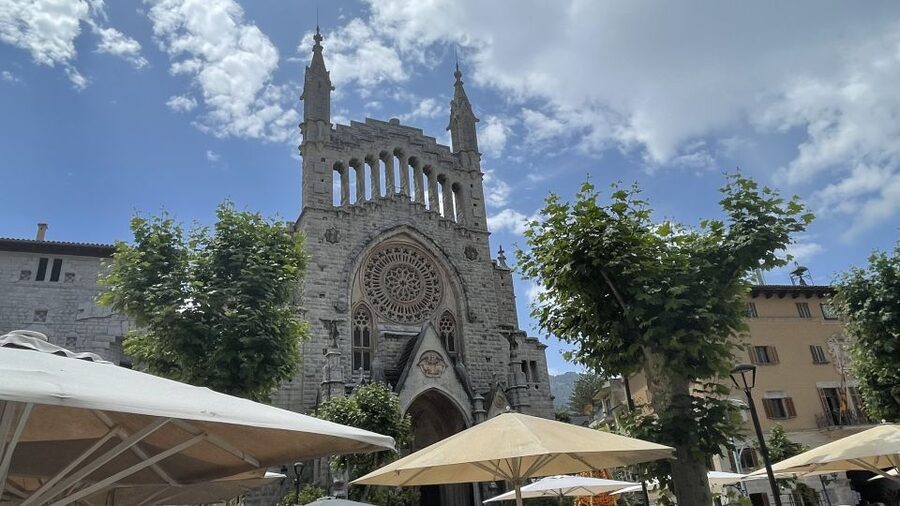
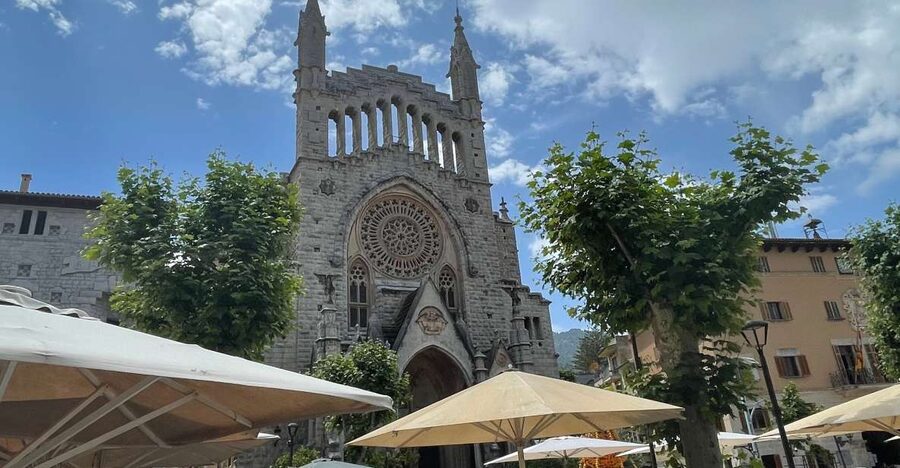
Then you roll on to Sóller, with about 1 hour of guided time. Sóller is where the day’s atmosphere sharpens. You’ll have enough time to absorb the town without feeling rushed, and guided narration helps you spot the difference between how a place looks from the outside and how it functions for locals.
Here’s how I’d use your time in both towns. In Deià, focus on the sense of arrival, the views you can frame from where you’re standing, and the guide’s explanation of what made the area liveable. In Sóller, focus on the way the town reads as a hub, because the guide gives you structure to understand why it developed the way it did.
Also, note the pacing includes additional van time between these stops, which is normal for the route. It’s the day’s trade-off for hitting both towns while still reaching the olive estate and the final tasting.



The 1.5-hour guided stop and the food tasting break
Later in the day, you’ll have another guided visit that lasts about 1.5 hours. Even though the specific place name isn’t listed here, it’s clearly a longer stop, which usually means you’ll spend time walking and listening rather than only viewing from a roadside. This is the part of the day where the guide can connect more dots: local tradition, island identity, and how people make a life in the Tramuntana region.
Then you finish with a food tasting lasting around 30 minutes. This is a key moment because the tour isn’t only about scenery. It’s also about food culture, especially since one of the major highlights is a traditional olive estate visit. You’ll learn about centuries-old olive-growing heritage and how olives have shaped the island’s landscape and cuisine.
If you care about taste as a cultural language, this is where the tour earns its premium. It turns what you see into something you can experience. You come away with a better sense of what’s behind the olive oil and table olives you may have tried before but never really connected to place.
Practical note: the data specifies food tasting, not a full included lunch. So if you’re someone who needs a proper meal at midday, plan accordingly. The day is long, and it’s easier to enjoy the last part if you’re not hungry.
The traditional olive estate: more than a photo stop
The olive estate visit is one of the tour’s signature experiences. You’ll learn how olive cultivation shaped Mallorca over generations, and the estate connection is what makes the tasting feel grounded instead of random.
What makes this stop valuable is the way it links time and technique. Olive-growing is not a “modern hobby” in Mallorca. It’s a long-term relationship with weather, slope farming, and the steady rhythm of seasons. When the guide explains that heritage, the olive terraces and production logic start to make sense across the whole day, including the drive routes.
In the earlier feedback tied to the tour, there was also a culinary angle, described as sympathetic and individual with a food background. That matches what this part of the day aims to deliver: you should leave with a clearer sense of what you ate and why it belongs here.
If you’re an olive oil person, or you just want to understand what you’re buying in Mallorca shops, this stop is a strong reason to book.
Price and value: is $265 worth an author-led day?
At $265 per person for a full day, this isn’t a budget outing. The question is what you’re paying for.
You’re paying for:
- author-led guidance tied directly to Mallorca road travel
- transportation in a comfortable air-conditioned van, with scenic route driving
- pickup and drop-off around Palma at multiple points
- a visit to a traditional olive estate plus a food tasting
- small group limits to 8 participants, which usually translates to less waiting and more time for questions
In other words, a big chunk of the cost is “thinking time and logistics time,” not only sightseeing. If you want a day where someone does the route decisions, contextualizes the places, and keeps you moving without turning it into a whirlwind, this price can feel fair.
Where it might not be the best fit is if you prefer to spend time independently, or if you’re only interested in a small set of famous monuments. This tour is designed for people who value guided understanding: culture, tradition, and landscape meaning made practical.
Quick checklist for getting the most from the day
- Wear comfortable clothes for mountain weather changes
- Bring weather-appropriate layers, since the Tramuntana can feel different from the coast
- Use comfortable walking shoes for the town stops
- Pack light, because luggage or large bags are not allowed
- Bring curiosity. The guide’s stories are part of the product
Should you book Mallorca Beyond the Guidebooks with the author?
I’d book this if you want Mallorca that feels like a road trip with an intelligent local voice. The combination of back-road driving, guided time in Valldemossa, stops including Deià and Sóller, plus the olive estate and tasting adds up to more than a highlight reel.
I’d think twice if you need lots of time in one major museum-type setting, or if you dislike days with several short stops and lots of driving between them. This is a guided circuit, not a one-town deep dive.
If you fit the sweet spot, this is the kind of day that leaves you understanding the island a level deeper, and it does it without wasting your time.
FAQ
Where are the pickup and drop-off locations?
You’ll be picked up from accommodation in and around Palma, with four pickup options: Campos, Llucmajor, Ca’n Pastilla, and Palma. Drop-off is also at four locations: Ca’n Pastilla, Llucmajor, Campos, and Palma.
How many people are in the group?
The tour is a small group limited to 8 participants.
What languages does the guide speak?
The live tour guide is available in English and German.
Which places are included during the day?
The tour includes guided time in Valldemossa, a stop in Deià, guided time in Sóller, plus additional secluded stops and a visit to a traditional olive estate. There is also a food tasting.
How long is the tour?
The duration is listed as 8 hours.
Is the tour wheelchair accessible?
Yes, the tour is wheelchair accessible.
Are large bags or luggage allowed?
No. Luggage or large bags are not allowed.
What’s included in the price?
Included are pickup and drop-off in and around Palma, transportation with a comfortable air-conditioned van, a full-day guided tour with the author, scenic route transfers, the traditional olive estate visit, personal commentary, small group VIP treatment, and all insurances, taxes, and fees.
More Tour Reviews in Mallorca
Not for you? Here's more nearby things to do in Mallorca we have reviewed

Mallorca Island Sightseeing Days, compared.
 ★ 4.1City Sightseeing Hop-On Hop-Off Bus TourFrom $324,450 reviews
 ★ 4.4Island Tour with Boat, Tram & Train from the SouthFrom $1173,888 reviews
 ★ 4.3Caves of Drach Day Trip & Optional Caves of HamsFrom $622,720 reviews
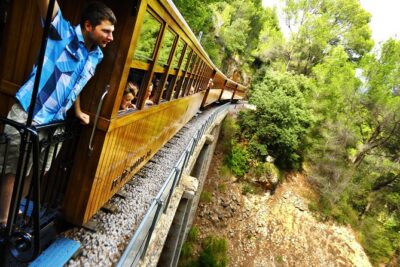 ★ 4.0Mallorca in One Day Sightseeing Tour with Boat Ride and Vintage TrainFrom $1231,096 reviews
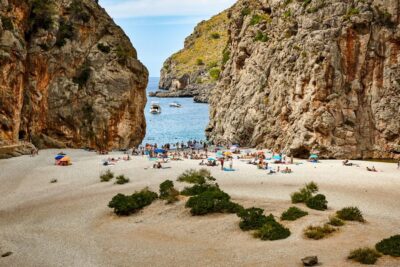 ★ 4.4Island Trip by Train, Tramway, and BoatFrom $73753 reviews
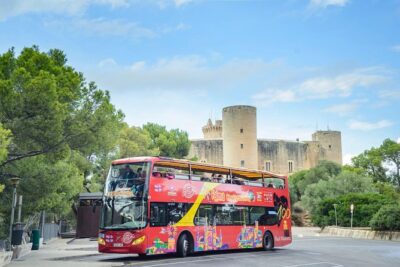 ★ 3.5City Sightseeing Palma de Mallorca Hop-On Hop-Off Bus TourFrom $32643 reviews
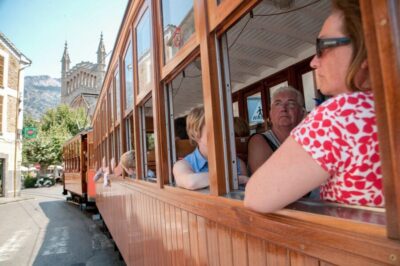 ★ 4.6Scenic Full-Day Tour from the NorthFrom $115632 reviews
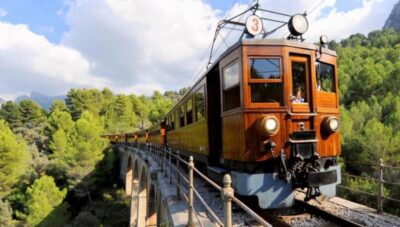 ★ 4.4Island Tour with Boat, Train, and Hotel TransferFrom $120437 reviews
Browse the lists this tour appears in