
REVIEW · MALLORCA ARTS, CRAFTS & MUSEUMS
Els Calderers House Museum in Mallorca
A preserved house farm feels like time travel. At Els Calderers, what I love is the chance to see 30-plus rooms and how daily life actually worked, from chapel quiet to working spaces.
I also like the small group feel, since it caps at 15 people, and the visit runs about three hours at a steady pace. One thing to think about before you go: the farm animals outside are part of the experience, and impressions about their outdoor pens are mixed.
Key highlights to know before you go
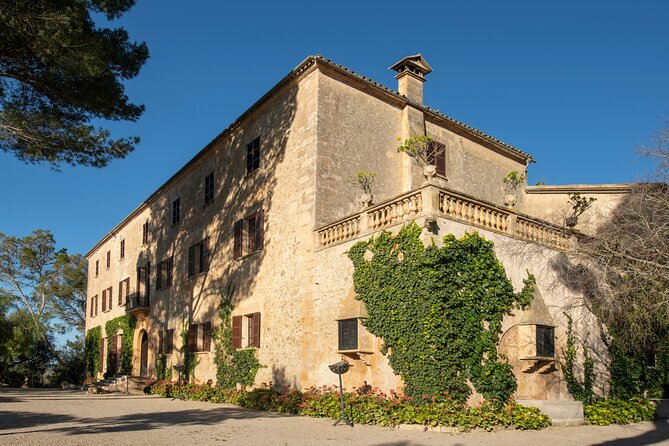
- A full circuit of 30-plus rooms inside a well-preserved country estate
- Specific rooms that explain work, like the bread oven, laundry, flour mill, and machinery areas
- A timed, about-3-hour tour that usually keeps the group from feeling rushed
- Free parking plus an admission ticket included in the tour price
- Farm animals are on the grounds, so bring expectations that match a Mediterranean farm setup
- English-guided visiting makes the house’s story easier to follow
Stepping into Els Calderers: where the story begins
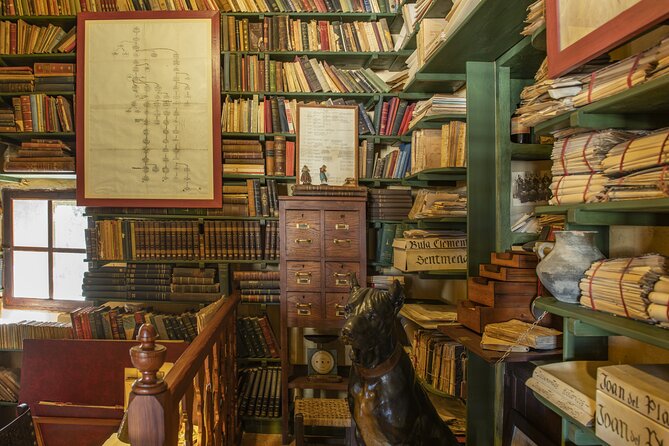
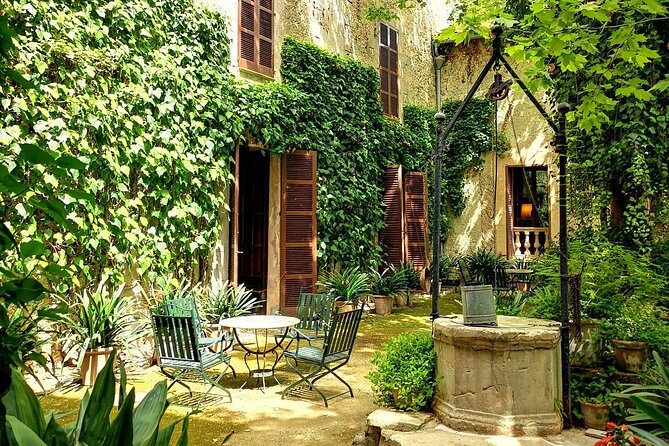
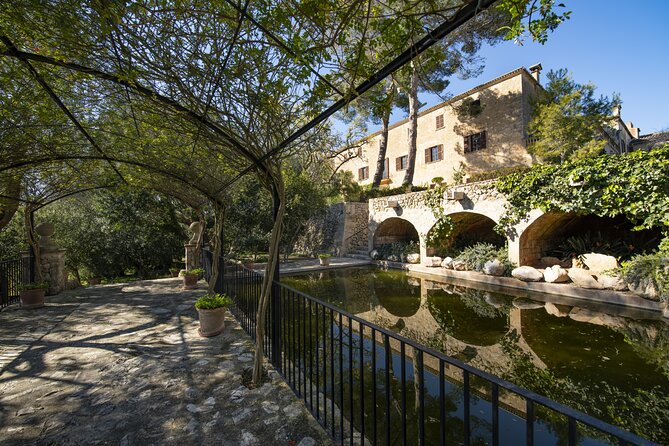
You meet at Museu Etnològic dels Calderers, on the Finca Els Calderers, Camino, Els Calderers, 07240 San Juan, Illes Balears, Spain. The setting matters here. This is not a quick stop-in museum wedged into a city block. It’s a working estate area, where the house and the farmyard feel like one connected place.
That connection is part of the value. You’re not only looking at objects behind glass, you’re seeing rooms that map to real routines. Think priest and chapel up close, then bread oven and laundry later, then tools and processing spaces at the end. The tour gives you a route that makes the estate feel inhabited, not just preserved.
The experience is offered in English, and the group limit is 15 travelers, so you’re less likely to feel like you’re being swept along in a crowd. If your Spanish is limited, this is a relief, since you’ll be able to understand the explanations as you move.
You can also read our reviews of more tours and experiences in Mallorca.


Touring the main house: ground-floor rooms and what they reveal
Once inside Casa Museo Els Calderers, you get the house’s “everyday meaning” fast. The first five rooms are on the ground floor, and the sequence is smart. It starts with shared space and authority, then moves into spiritual and storage areas.
Here’s what you can expect in that opening block:
- Hall (the tour lists Hall twice on the ground floor)
- Office of the Priest
- Chapel
- Celler (the cellar)
I like this start because it sets the social order of the household. You see where religious life sat in the daily rhythm, and you get a sense of how the estate stored and managed supplies. A cellar is one of those unglamorous spaces that actually tells a big story. Food and drink storage was how families handled seasons, guests, and household needs.
Also, people often remark on the interior being cool compared with Mallorca’s heat. Even without making it a “weather report,” it’s a practical point. If you’re visiting in summer or early afternoon, this is one of those spots where you can feel comfortable indoors for the first stretch.
Bedrooms and household spaces: the quieter rooms that feel personal
After those ground-floor rooms, the tour moves through the main bedroom zone and the dependencies around it. This is where the house stops feeling like an exhibit and starts feeling like a home that used to have routines.
You’ll pass through spaces such as:
- the main bedroom and related rooms
- a common room
- a dressing room for the man (listed in the tour route)
- a corridor
- a toilet
- an ironer
This section is useful if you care about the practical side of history. The bedroom and dressing areas show status and daily habits. The corridor and toilet are the kind of details most tours skip, but they help you understand how space was planned. And the ironer is one of the most “real-life” stops on the route. Clothing care, pressed linens, and maintenance were constant work, not a once-a-week chore. Seeing where that happened makes the estate feel more believable.
One caution: if you’re expecting a glossy, modern museum feel, you might notice that some visitors describe parts of the exhibition as a bit run-down or dusty. That doesn’t stop the tour from being interesting, but it can affect your comfort level if you’re picky about presentation.
From barn to kitchens: seeing labor built into the house
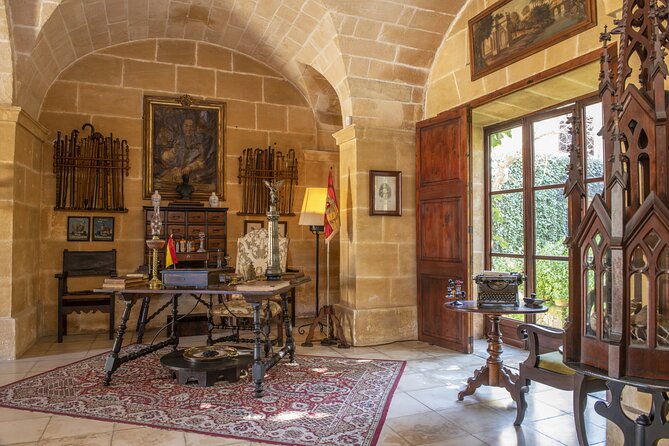
The tour keeps going beyond bedrooms and private spaces into areas that explain how the household operated like a small economy.
You’ll move through rooms including:
- Barn
- Bedrooms (plural, after the earlier bedroom area)
- Office of the Mayoral (listed as part of the tour sequence)
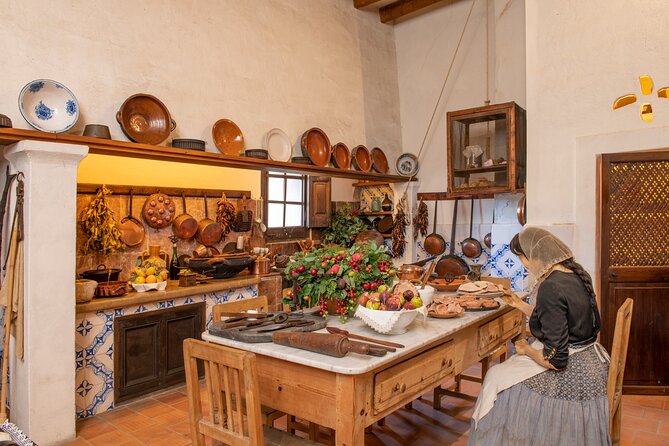
- Peasant Kitchen
- Toilets
- Bar
- Souvenirs
- Bread Oven
- Laundry
I like the “work rooms” here because they help you connect roles. The term “Peasant Kitchen” is a hint that this estate had hierarchy built into daily life, with different spaces tied to different people. You also see how cooking and food prep fit into a larger system. Then the tour shifts to the bread oven and laundry, which are two spaces that say a lot about routine.
Bread ovens are hard to romanticize, but they matter. Bread was central, and the oven was a key piece of infrastructure. Laundry is similar. It’s not flashy, but it’s essential labor, and having it in the tour route reminds you that household management was work-intensive.
If you’re a person who likes to see the “behind the scenes” of travel, this is your section. It’s where the tour turns from pretty rooms into how people lived.
The final rooms: tools, crops, animals, and production
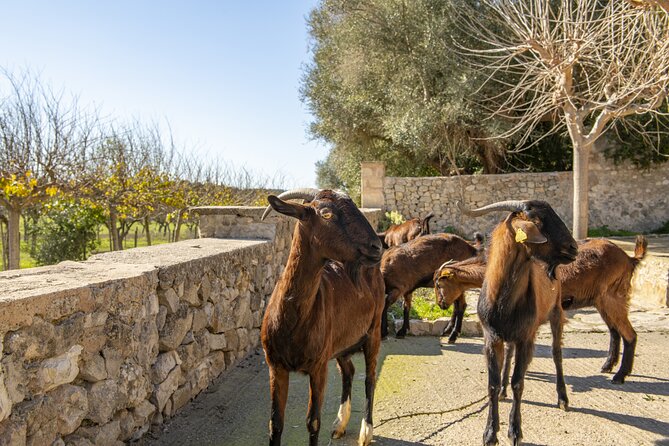
Near the end, you get the estate’s production side. This is where you see the work that kept everything running, from woodworking and metalworking to milling and animal corrals.
The final stops listed on the tour include:
- Carpentry and Blacksmithing
- Algarrobos and Almonds Machinery
- Pig slaughter room
- Corrals with different animals
- Flour Mill
- Corral of equine animals
- Porch of carts and garnishes
A few notes to keep your expectations realistic:
- Tools and processing spaces change how you read the whole estate. Once you’ve seen carpentry, blacksmithing, and milling-related areas, the interior rooms make more sense. You’re not only seeing “where people sat,” you’re seeing “what they needed to do to survive.”
- The pig slaughter room is part of the working-farm reality. If you’re sensitive to the darker aspects of historical farming, be mentally prepared for that stop.
- The machinery tied to algarrobos and almonds shows how crops were handled after harvest. Almonds are common in Mallorca, and seeing processing areas helps you understand that it wasn’t just growing, it was also turning crops into usable food and supplies.
Finally, the porch of carts and garnishes is a nice closing beat. It connects the farm work to transport and storage, so the route feels like a full loop rather than a series of unrelated rooms.

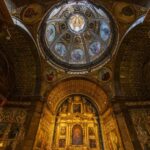




Farm animals outside: beautiful, but manage expectations
The exterior farmyard is part of what many people love here, and it’s also the part that causes the most debate.
Some visitors describe animals in the pens as looking fine, with shade and water, and they point out that Mediterranean husbandry doesn’t always match what you might expect from lush, grass-heavy systems in wetter climates. One person even notes that the animals are turned out overnight into paddocks.
At the same time, other visitors say the pens looked bare in hot weather, with limited bedding or comfort. There are also complaints about dust or yard conditions, and some strong accusations appear in written reviews. I can’t verify those claims, but I can tell you this: if animal welfare outside on the day of your visit is a dealbreaker for you, this is the section you should consider carefully.
Practical advice:
- Go in with the expectation that this is a working estate, not a modern animal sanctuary.
- If you arrive and the outdoor pens seem uncomfortably stark, you can still enjoy the house indoors, since the core attraction is the interior route through the rooms.
- If you’re traveling with kids who are uneasy with farm animals, you might want to set expectations early so nobody gets blindsided.
Price and timing: what $10.81 gets you
The tour price is listed as $10.81 per person, with the admission ticket included. For a three-hour guided visit inside a multi-room estate, that is a strong value, especially because the group is small (max 15) and the tour is in English.
The free parking is another practical win. It reduces stress on arrival, which matters on Mallorca, where driving and timing can feel like a mini project.
Also, plan your timing. This experience is typically booked around 10 days in advance on average. If you’re traveling in a busy season or around weekends, I’d treat it as a “book once you know your dates” type of activity rather than a last-minute stroll.
One small logistics detail that showed up in written feedback: the ticket bar may not accept card payments, so if you plan to buy on-site, bring cash just in case.
Who should book Els Calderers, and who might not love it
This tour fits best if you like:
- historic estates that explain how people lived, not just what they owned
- details like kitchens, laundry, bread ovens, mills, and workshops
- a slower, countryside-feeling visit in a small group
You might want to skip or at least think twice if:
- you feel strongly that farm animals outside should meet modern comfort standards at all times
- you need a super polished museum presentation, with spotless surfaces and perfectly organized info
- dark topics tied to historical farming would ruin your vibe (the pig slaughter room is part of the route)
Should you book this tour?
If you’re the type of traveler who enjoys lived-in, practical history, I’d book Els Calderers. The house route is built around real functions, and that makes the 3 hours feel worthwhile for the price. The interior rooms, the workshop and food-prep spaces, and the way the last stops connect production to daily life are the reasons it works.
Just go in with a clear mental note about the outdoor animals. If you can handle farmyard reality and focus on the house, you’ll likely have a memorable visit. If you can’t, you may feel frustrated during the exterior segments, even if the interior portion is interesting.
FAQ
How long is the Els Calderers House Museum tour?
It runs for about 3 hours.
Is the tour offered in English?
Yes, it is offered in English.
What is included with the experience price?
The admission ticket is included, and free parking is also included.
Is private transportation included?
No, private transportation is not included.
Where do I meet for the tour?
The tour starts at Museu Etnològic dels Calderers, Finca Els Calderers Camino, Els Calderers, 07240 San Juan, Illes Balears, Spain.
Where does the tour end?
The activity ends back at the meeting point.
Are service animals allowed?
Yes, service animals are allowed.
More Tour Reviews in Mallorca
Not for you? Here's more nearby things to do in Mallorca we have reviewed







Mallorca Arts, Crafts & Museums, compared.
 ★ 4.0Skip the Line: Rafa Nadal Museum XperienceFrom $20196 reviews
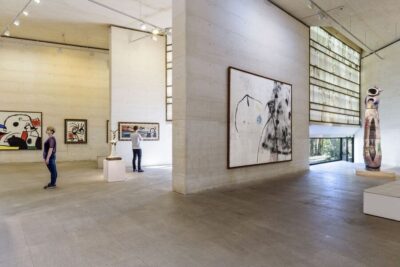 ★ 4.1Miró Foundation Entrance TicketFrom $11187 reviews
 ★ 4.5EXHIBIT – Acrobatics, Dance & ArtFrom $11742 reviews
 ★ 4.5Alcudia: Museum Sa Bassa Blanca Entry TicketFrom $1430 reviews
 ★ 5.0Pottery in the Heart of Palma’s Old TownFrom $6324 reviews
 ★ 5.0Painting like MiróFrom $7714 reviews
 ★ 5.02-Hour Small Group Ceramic Workshop in a Natural EnvironmentFrom $569 reviews
 ★ 4.5Rafa Nadal Xperience Museum with Private Transport from MallorcaFrom $7187 reviews
Browse the lists this tour appears in